This shop has been compensated by Collective Bias, Inc. and its advertiser. All opinions are mine alone. #ThinkOutsideTheWipe #CollectiveBias
Empowering Little Eaters: Five Essential Tips to Encourage Toddler Self-Feeding (and Master the Mess)
Parenting is a beautiful, chaotic journey, and few experiences encapsulate this better than the toddler years. As a mom navigating the vibrant chaos of a growing family, I’ve learned that every phase brings its unique set of challenges and triumphs. With four older boys spaced a manageable two to three years apart, I thought I had the “busy” phase down. However, welcoming children just one year apart has been a delightful, yet entirely new ball game – one where moments like all three little ones crying simultaneously for entirely different reasons are just another Tuesday.
Amidst the beautiful pandemonium, I’ve found my stride, entering what I fondly call “total mom mode,” where very little phases me anymore. Yet, there was one area that used to send my stress levels soaring: the epic, food-flinging, mess-making adventure that is toddler self-feeding. Watching wholesome meals migrate from plate to floor – or worse, to clean clothes – once drove me to simply feed them myself, all to avoid the inevitable cleanup. While seemingly a quick fix, I quickly realized this was a disservice to my curious, learning toddlers, stifling their natural drive for independence.
Thankfully, I’ve wisened up since those early days. I now embrace the mess as a crucial part of development and come armed with a few game-changing strategies. The secret weapon in my arsenal? Huggies® One & Done® Refreshing Wipes, which are always within arm’s reach. Today, I’m thrilled to share my top five tried-and-true methods to encourage your toddlers to feed themselves, fostering independence while making cleanup a breeze. Let’s dive into how you can empower your little ones at mealtime.
Five Practical Ways to Empower Toddlers at Mealtime
1. Empower Their Choice: Let Them Pick a Special Spoon and Plate Set
Toddlers are inherently wired to seek independence and control. Capitalizing on this natural inclination can turn a potential mealtime battle into an exciting opportunity for self-expression. One of the simplest yet most effective ways to encourage self-feeding is to involve them in the selection of their own eating tools. Imagine the pride in their eyes as they choose their very own “special” spoon, fork, or plate set. This isn’t just about aesthetics; it’s about ownership. When they feel a sense of agency over their utensils, they become more invested in the process of using them.
Take them to the store or present a few child-friendly options at home. “Which plate makes you feel like a big helper?” or “Would you like the blue spoon or the red one?” Simple questions like these transform a mundane task into an engaging activity. This small act of choice can significantly boost their enthusiasm for mealtime, turning eating into an enjoyable, self-directed adventure rather than a chore. It’s a foundational step in teaching them responsibility and building confidence, extending far beyond the dinner table.
2. Embrace the Mess: It’s a Learning Opportunity (Armed with the Right Tools)
For many parents, the thought of a messy mealtime can trigger immediate anxiety. However, I’ve learned that the mess isn’t just unavoidable; it’s a vital part of a toddler’s development. Sensory exploration through food helps them understand textures, temperatures, and even different food groups. Allowing them to squish, smear, and yes, even throw a little food, is how they learn about their world. This process develops crucial fine motor skills, hand-eye coordination, and an understanding of cause and effect.
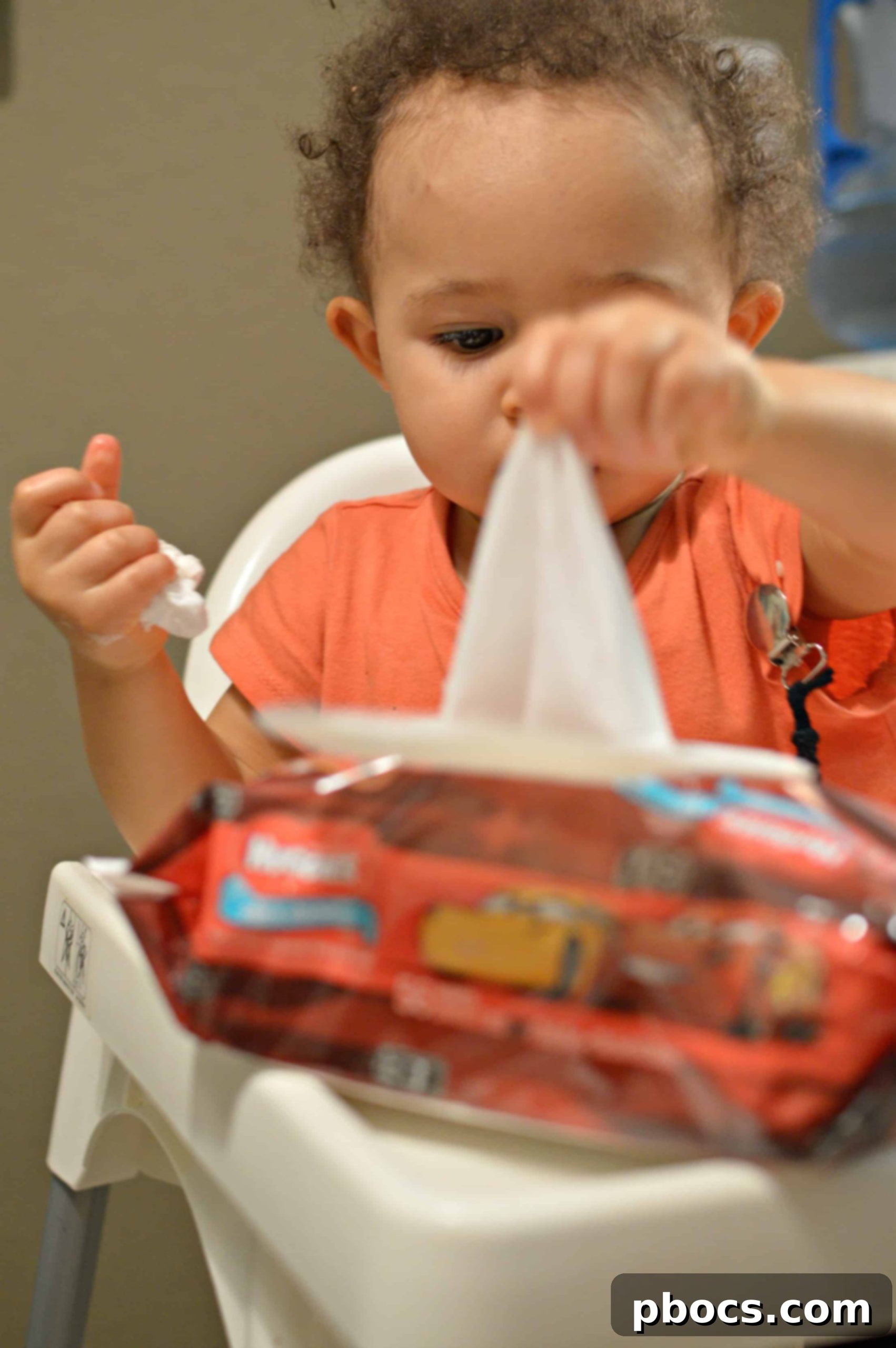
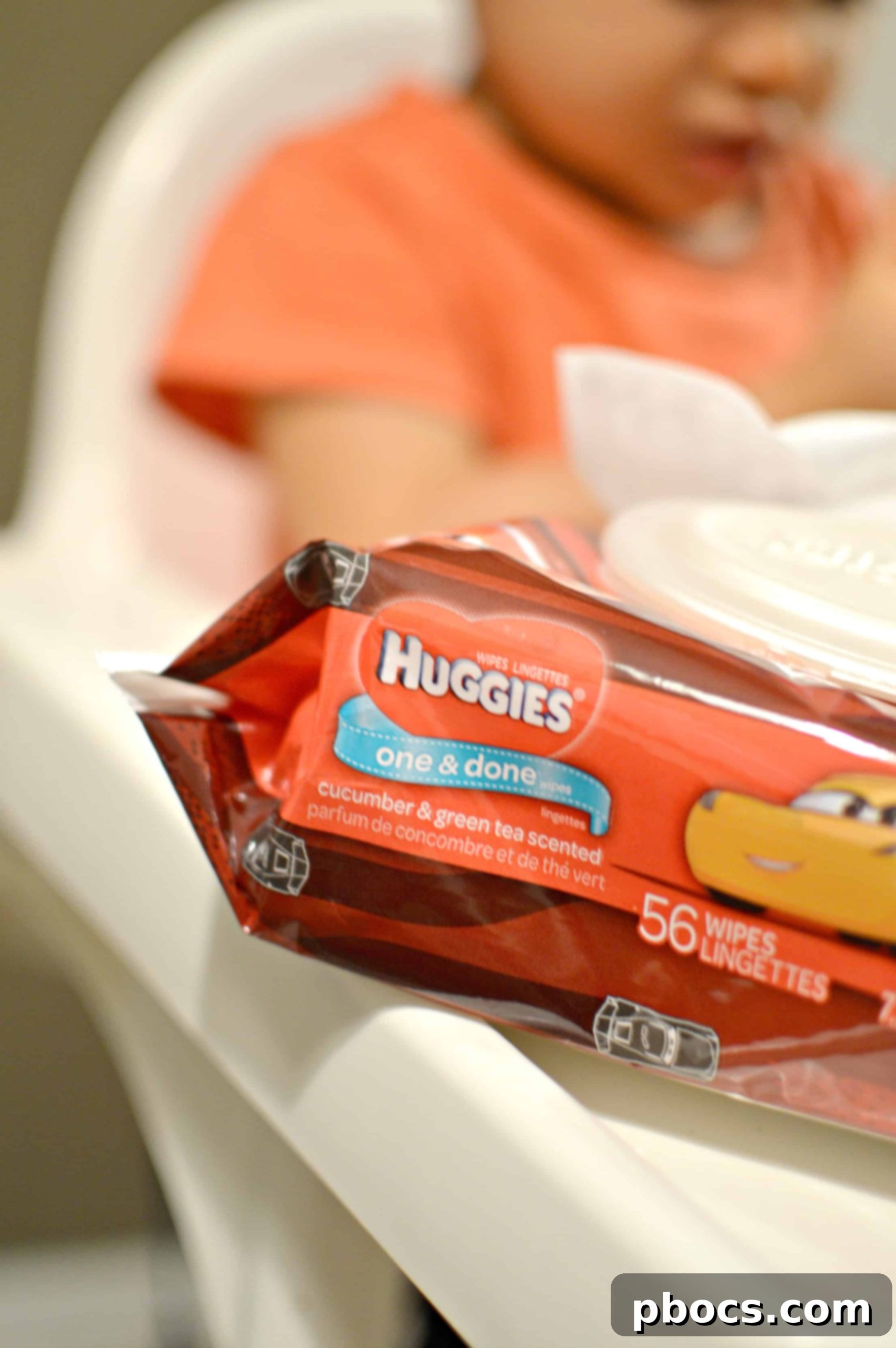
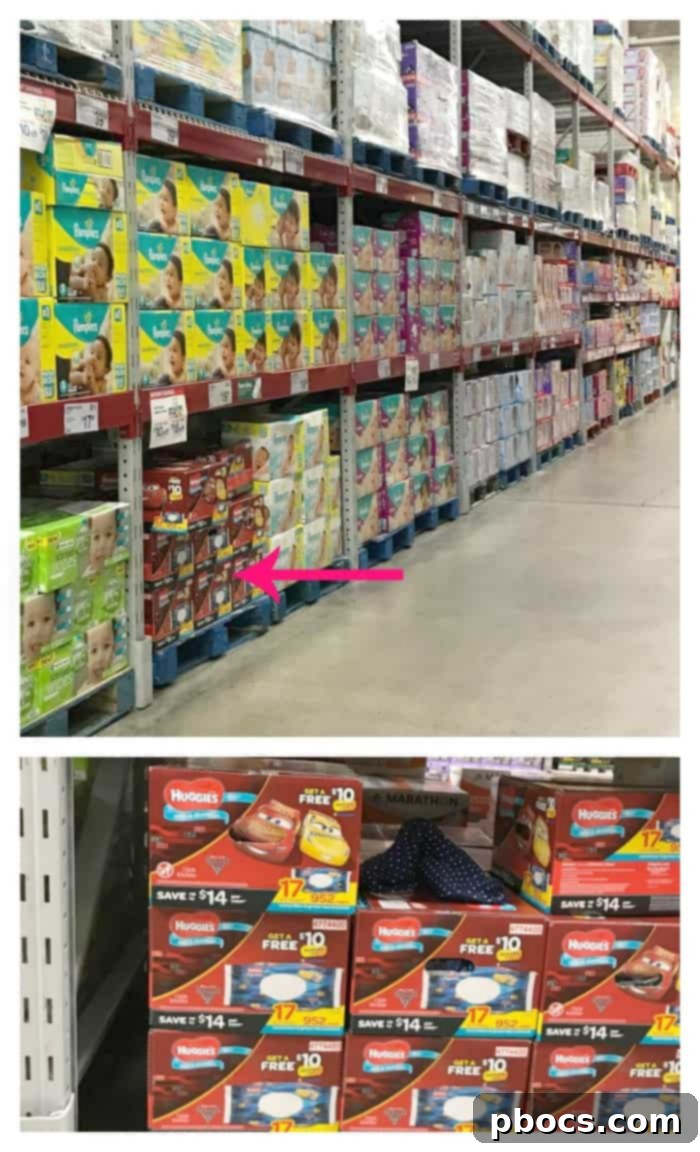
The key isn’t to prevent the mess, but to manage it effectively. This is where being well-prepared makes all the difference. My secret weapon for embracing the chaos is Huggies® One & Done® Refreshing Wipes. We stock up on these at Sam’s Club, often using their convenient Pick-Up service, which is a lifesaver for busy parents. These aren’t just any wipes; they are the #1 branded wipe with EZ Pull® Dispensing, ensuring you get one wipe at a time, every time, preventing waste and frustration. Their unique patented Triple Clean Layers make them thicker and more effective, tackling even the toughest messes with ease. Plus, the refreshing Cucumber and Green Tea scent is a pleasant bonus! I keep their handy soft packs literally everywhere: in my car, my husband’s car, my purse, and certainly in the bathroom and kitchen. With Huggies® One & Done® Refreshing Wipes, I can confidently let my toddlers explore their food, knowing that cleanup will be quick, thorough, and stress-free. It transforms a potentially daunting task into a simple, manageable part of our day, allowing me to focus on the joy of watching them learn and grow.
3. The “Eating Shirt” Strategy: A Practical Alternative to Bibs
If your toddlers are anything like mine, they probably despise wearing bibs. The constant pulling, tugging, and general resistance can make mealtime even more challenging. Rather than fighting a losing battle, I’ve discovered a simple, practical alternative: the designated “eating shirt.” This strategy saves countless outfits from permanent stains and significantly reduces laundry stress.
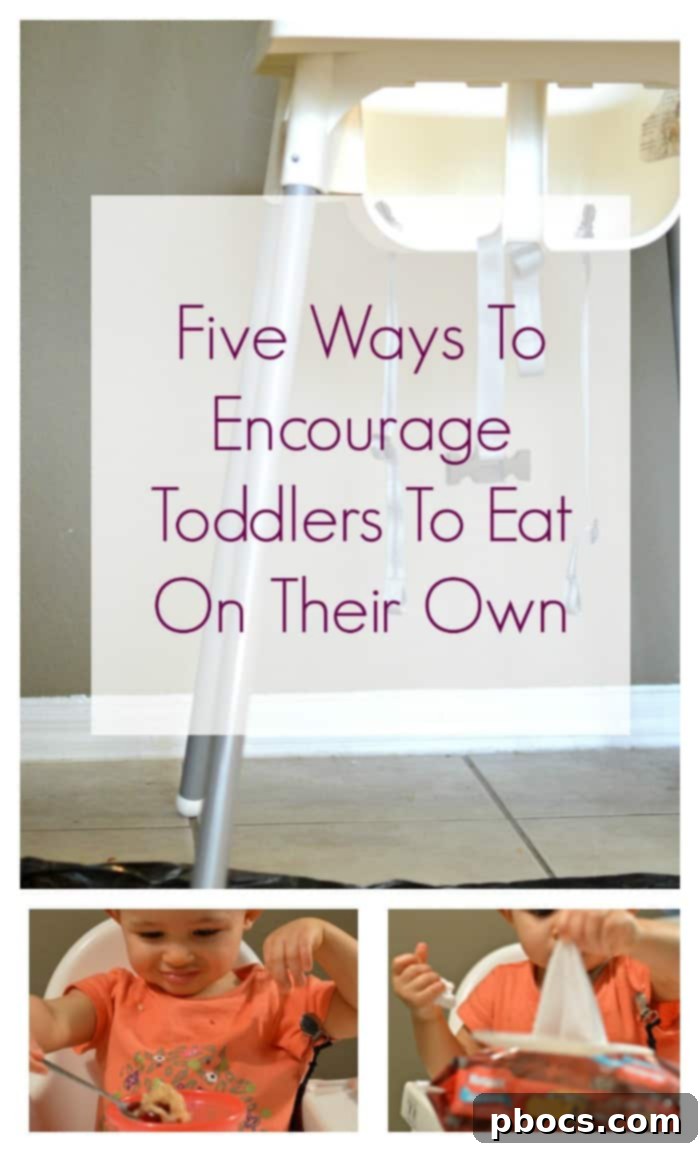
My collection of eating shirts consists primarily of hand-me-downs or inexpensive finds from thrift stores. These are shirts that I don’t mind getting messy because their sole purpose is to protect my children’s clothes during meals. When it’s time to eat, we simply slip on an eating shirt. After the meal, it can be tossed directly into the laundry, or if it’s not too bad, set aside for the next meal. This approach not only sidesteps the bib-aversion drama but also teaches children a routine: “When we wear our eating shirt, it’s time to enjoy our food.” It’s a small change that yields big results in reducing mealtime friction and keeping regular clothes clean.
4. Simplify Cleanup: Keep Inexpensive Garbage Bags Under the High Chair
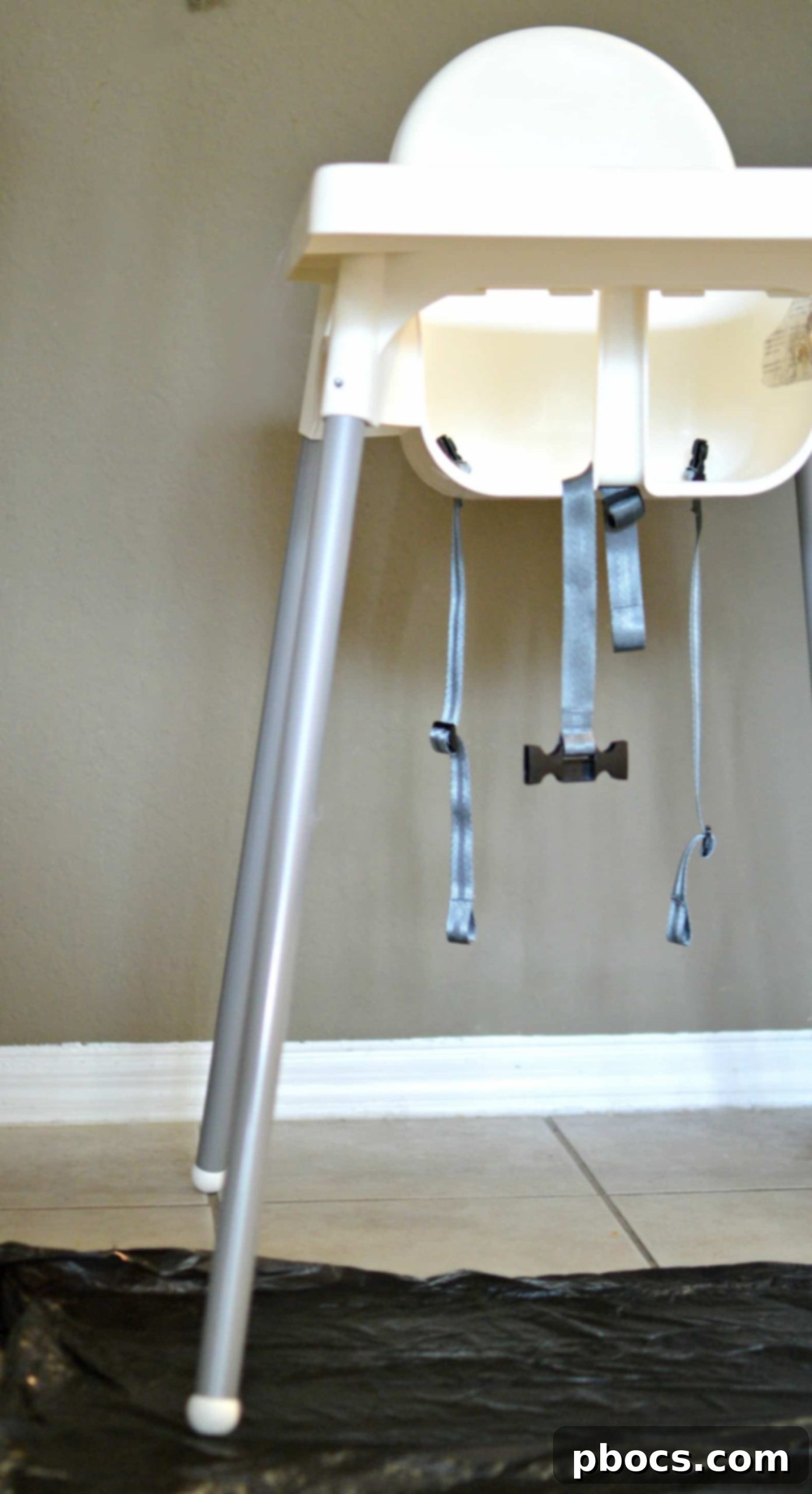
When you’re dealing with the aftermath of an enthusiastic toddler’s meal, efficiency is key. One of the most brilliant and budget-friendly hacks I’ve implemented is keeping a roll of inexpensive garbage bags specifically for mealtime cleanup. Before my toddlers sit down to eat, I place one of these bags directly underneath their high chair. This acts as a catch-all for dropped food, crumbs, and any other debris that inevitably makes its way to the floor.
As soon as the meal is over, cleanup becomes incredibly simple. I gather the edges of the bag, tying it up with all the mess contained inside, and toss it directly into the garbage. This method drastically reduces the time and effort spent sweeping, vacuuming, or scrubbing the floor after every single meal. You can find a good variety of sizes at dollar stores or discount retailers, making this a very cost-effective solution. It’s a small preparation that saves a tremendous amount of post-meal stress, allowing you to focus on the positive aspects of encouraging self-feeding rather than dreading the cleanup.
5. Unplug and Engage: Turn Off the TV and Make Mealtime Fun
In our increasingly digital world, it’s tempting to use screens as a distraction during meals, especially with energetic toddlers. However, turning off the TV and other electronic devices can profoundly transform mealtime from a passive activity into an active, engaging, and invaluable bonding experience. Mealtime should be a moment for connection, conversation, and developing a healthy relationship with food, not just for fuel.
When the TV is off, toddlers are more present and aware of their food. They can focus on the flavors, textures, and the act of feeding themselves. This also creates an opportunity for meaningful interaction. Talk about their day, discuss the food on their plate (“This carrot is so crunchy!”), or simply enjoy the quiet company. Encourage them to observe and mimic your eating habits. Make silly faces, sing a song, or tell a short story related to the food. By making mealtime a fun, interactive, and screen-free zone, you foster better eating habits, improve communication skills, and strengthen family bonds. It teaches them that eating is an enjoyable social activity, not something to rush through while distracted.
Ultimately, fostering independence in toddlers is about providing them with opportunities to learn and grow, even if that means a little extra mess along the way. These five strategies are designed to support both your toddler’s journey to self-feeding and your peace of mind as a parent.
Embrace the Journey: Why Self-Feeding Matters
Encouraging toddlers to feed themselves goes far beyond simply teaching them to eat. It’s a foundational step in their developmental journey, impacting everything from fine motor skills and hand-eye coordination to sensory development and emotional independence. When a toddler successfully brings a spoon to their mouth, they’re not just getting food; they’re mastering a complex task, building confidence, and asserting their growing autonomy. This independence at mealtime can also lead to a more positive relationship with food, as they learn to listen to their own hunger cues and explore different textures and tastes without pressure.
Of course, this journey isn’t without its challenges. There will be picky eating phases, food throwing experiments, and moments of utter chaos. But by implementing these simple yet effective strategies, you create an environment that supports their learning, minimizes parental stress, and celebrates every small victory. Remember, the goal isn’t perfection; it’s progress. It’s about providing a safe, encouraging space for your child to explore, learn, and grow into a confident, independent eater.
Let’s face it: messes happen. Big ones, small ones, and every size in between. But sooner or later, you learn to look at that mess not with dread, but with a smile. Because they’re only little once, and these moments of exploration, learning, and glorious chaos pass by far too quickly. Embrace the sticky fingers, the crumbs on the floor, and the joy of watching your child discover their capabilities. With the right tools and a shift in perspective, mealtime can become a cherished part of your day.
Ready to make your mealtime cleanup even easier? Don’t forget to keep Huggies® One & Done® Refreshing Wipes handy for all of life’s little (and big) adventures. For more insights and to connect with other parents, get social and follow Huggies on Instagram and Twitter.