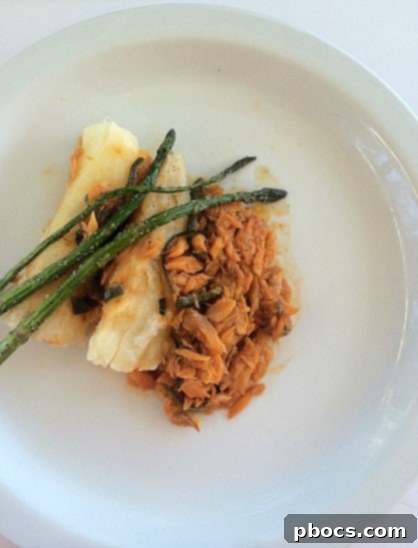
Bacalao with Salsa de Tomate and Yucca: A Culinary Revelation
There are certain dishes that embark on a journey with us, transforming from childhood dislikes into cherished adult favorites. For many, Bacalao (salted cod fish) might be one such dish. I vividly recall the days when the mere mention of my mother cooking bacalao with white rice would fill me with dread. The potent aroma, the texture, and what felt like an overwhelming “fishy” taste were simply too much for my young palate. Yet, time and taste buds have a funny way of changing. Today, this traditional Latin American staple, especially when prepared by my husband, has become one of my absolute favorite meals.
My husband’s approach to bacalao is elegantly simple, yet profoundly delicious. He opts for minimal seasoning, allowing the natural flavors of the cod and tomato to shine, and crucially, serves it over tender yucca instead of rice. This seemingly small alteration makes a world of difference, creating a harmonious balance of flavors and textures that is truly irresistible. While he’s usually the maestro in the kitchen (most nights, in fact!), I decided it was time to share this beloved dish with you, hoping you’ll discover the same culinary joy it brings to our table.
What is Bacalao? Unveiling the Magic of Salted Cod
At its heart, bacalao refers to dried and salted cod fish. This ancient method of preservation, dating back centuries, allowed cod to be stored for extended periods without refrigeration. This made it an invaluable food source for explorers, sailors, and communities far from the sea, where fresh fish was a luxury. Its journey began in the cold, abundant waters of the North Atlantic, spreading through Portugal, Spain, and eventually to the Caribbean and Latin America, where it became a cornerstone of many national cuisines. From simple stews to elaborate holiday dishes, bacalao holds a significant cultural and culinary place in many parts of the world.
The process of salting and drying transforms the fresh cod, imparting a unique flavor and a remarkably firm texture. However, before cooking, it’s absolutely essential to desalt the fish properly. This critical step rehydrates the cod and removes the excessive salt, revealing its delicate, flaky flesh and rich, savory taste. Neglecting this step would result in an inedibly salty dish. Once rehydrated and desalted, bacalao can be flaked, fried, stewed, or baked, taking on an incredible versatility that makes it a favorite in countless traditional recipes.
Yucca: The Perfect Companion to Bacalao
While many enjoy bacalao with rice, our preferred accompaniment is yucca (also widely known as cassava or manioc). This starchy root vegetable is a staple in tropical regions worldwide and provides a wonderful, gluten-free alternative to grains. When cooked, yucca has a mild, subtly sweet flavor and a dense, slightly chewy texture that beautifully absorbs the rich tomato sauce of the bacalao. Its robust character stands up exceptionally well to the flavorful cod, offering a satisfying mouthfeel and a comforting, earthy base for the dish.
Beyond its culinary versatility, yucca is also a good source of complex carbohydrates, providing sustained energy. It’s naturally gluten-free and, when prepared simply, allows the main, vibrant flavors of the bacalao to truly sing without competition. The delightful contrast between the soft, starchy yucca and the tender, intensely flavored cod creates a dynamic eating experience that is both nourishing and deeply satisfying, making it an ideal choice for this traditional meal.
Mastering the Recipe: Bacalao with Salsa de Tomate and Yucca
This recipe brings together the robust flavors of salted cod with a vibrant, aromatic tomato sauce and tender yucca, resulting in a dish that is both hearty and incredibly satisfying. Follow these detailed steps to create a truly memorable meal that will transport your taste buds to the heart of Latin American culinary traditions. The key lies in careful preparation and allowing the simple, quality ingredients to shine.
Ingredients for Authentic Bacalao:
- 2 pounds of dried salted cod fish (bacalao seco)
- 3 pounds of fresh or frozen yucca (cassava)
- 2 tablespoons extra-virgin olive oil, plus an additional 1/4 cup for frying the cod
- 1 medium onion, finely chopped
- 4 cloves garlic, minced or finely crushed
- 1 14-ounce can of crushed or diced tomatoes (or tomato sauce for a smoother consistency)
- 1 teaspoon dried oregano, preferably Mexican or Mediterranean for a distinct aroma
- 1 packet (0.35 oz) Sazon Goya con Achiote (optional, but highly recommended for authentic color and flavor enhancement) **Note: Contains MSG.
- 1/2 teaspoon salt (adjust to taste *after* desalting the cod, as the fish will still retain some salinity)
- 1/2 cup water, as needed for desired sauce consistency
- All-purpose flour, for dredging the cod (approximately 1/2 cup, or as needed)
- Freshly ground black pepper, to taste
Detailed Preparation Steps:
1. Desalting and Preparing the Bacalao (Salted Cod): The Crucial First Step
This step is absolutely paramount. The dried salted cod must be properly desalted to remove excess salt, which can otherwise render the dish inedible. Place the dried cod in a large bowl or pot and cover it completely with cold water. Ensure the fish is fully submerged. Refrigerate and soak for at least 24 to 48 hours, diligently changing the water every 6-8 hours. For very thick pieces of cod, you might even need to soak for up to 72 hours, with frequent water changes. To check if it’s sufficiently desalted, cut a small piece from the thickest part and taste it. It should be savory but not overwhelmingly salty. Once desalted to your preference, remove the fish from the water, pat it thoroughly dry with paper towels to remove any residual moisture, and cut it into approximately 3-inch squares or flakes, removing any bones or skin. Set aside.
In a large, open frying pan, heat about 1/4 cup of extra-virgin olive oil over medium heat. While the oil is heating, place a small amount of all-purpose flour onto a shallow plate. Lightly dredge each piece of desalted cod in the flour, shaking off any excess. This light coating helps to create a delicate crust and prevents the fish from sticking, while also adding a subtle layer of flavor. Once the frying pan is hot and the oil is shimmering, carefully place the floured cod pieces into the pan. Brown the fish lightly on both sides, typically 2-3 minutes per side, until a beautiful golden crust forms. This step adds significant depth of flavor and texture to the cod, enhancing its overall appeal. Remove the browned fish from the pan and set it aside on a plate lined with paper towels to absorb any excess oil.
2. Cooking the Tender Yucca:
If using fresh yucca, peel it carefully using a sharp knife, removing the tough, waxy outer layer and any inner fibrous core. Cut the yucca into large, uniform chunks to ensure even cooking. Place the prepared yucca in a large 6-quart pot and cover it generously with cold water. Add 1 tablespoon of salt to the water. Bring the water to a rolling boil over high heat. Once boiling, reduce the heat to medium, cover the pot, and cook until the yucca is tender and easily pierced with a fork. This usually takes about 30 to 40 minutes, depending on the freshness and size of the yucca pieces. Be careful not to overcook it, as it can become mushy. Once tender, turn the heat to low and leave the yucca in the hot water until you are ready to serve. This keeps it warm and prevents it from drying out, maintaining its perfect texture.
3. Building the Flavorful Tomato Sauce:
In a large, high-sided skillet (the same one used for browning the cod, if available, to capture residual savory flavors), heat 2 tablespoons of extra-virgin olive oil over medium heat. Add the finely chopped onion and cook, stirring occasionally, until it becomes soft, translucent, and slightly caramelized, typically 5-7 minutes. This gentle sautéing process coaxes out the onion’s natural sweetness, forming a foundational layer of flavor for the sauce. Next, add the minced garlic and stir for another 1-2 minutes until intensely fragrant. Be careful not to burn the garlic, as it can quickly turn bitter and alter the sauce’s taste profile.
4. Combining and Simmering for Perfection:
To the skillet with the sautéed onions and garlic, add the browned cod pieces, the canned crushed or diced tomatoes (or tomato sauce for a smoother texture), dried oregano, the Sazon Goya con Achiote (if using), and freshly ground black pepper. Gently stir to combine all the ingredients, ensuring the cod is well coated with the vibrant sauce. Add up to 1/2 cup of water if the mixture seems too thick or dry; the goal is a rich, medium-consistency sauce that coats the cod beautifully. Bring the sauce to a gentle simmer, then cover the skillet and let it cook for at least 20 minutes. This simmering time is crucial, allowing all the flavors to meld beautifully, the cod to absorb the aromatic sauce, and the sauce to thicken slightly. Taste and adjust the salt level as needed, keeping in mind the desalted cod may still contribute some salinity. A pinch of sugar can also be added if the tomatoes are too acidic.
5. Serving Your Bacalao with Yucca:
Once the bacalao stew is ready and has simmered to perfection, remove it from the heat. Carefully drain the cooked yucca, ensuring all excess water is removed. You can either serve the yucca chunks whole for a hearty presentation or lightly mash them with a fork for a slightly different, creamier texture. Arrange the warm yucca on individual plates or a large serving platter. Generously spoon the hot bacalao with its rich tomato sauce over the tender yucca. The vibrant colors and enticing aromas will surely tempt your guests to dive right in.
Optional Side: Sautéed Asparagus
To add a touch of freshness, a delightful crunch, and a vibrant green element to your meal, consider quickly sautéing some asparagus. In a separate pan, heat 2 tablespoons of olive oil over medium heat. Add trimmed asparagus spears, a pinch of salt, a grind of black pepper, and a clove of minced garlic. Sauté for 3-5 minutes until the asparagus is bright green and tender-crisp. Serve alongside your Bacalao with Yucca for a perfectly balanced and complete meal, adding a refreshing contrast to the richness of the main dish.
Tips for an Unforgettable Bacalao Experience
- Desalting is Key: Do not rush this process. Properly desalted cod is the absolute foundation of a delicious dish. Taste a small piece before cooking to ensure the salt level is perfectly to your liking. Patience here will yield the best results.
- Quality Ingredients: Using good quality extra-virgin olive oil and fresh yucca (if readily available) can significantly elevate the flavor profile of your finished dish. Fresh ingredients always make a difference.
- Taste and Adjust: Always taste your sauce before serving. Seasoning can be subjective, and a final adjustment of salt, pepper, or oregano can make a big difference, balancing the flavors perfectly.
- Explore Variations: For an extra layer of flavor and color, consider adding diced bell peppers (red or green) along with the onions, or a handful of briny olives or capers during the simmering stage. Some traditional recipes also incorporate a bay leaf for an aromatic touch.
- Leftovers: Bacalao with Yucca often tastes even better the next day as the flavors continue to meld and deepen. Store any leftovers in an airtight container in the refrigerator for up to 3-4 days, reheating gently.
A Timeless Dish, Reimagined for Your Table
From a childhood aversion to a cherished family recipe, Bacalao with Salsa de Tomate and Yucca is more than just a meal; it’s a delightful culinary journey. It represents the transformation of taste, the comfort of tradition, and the profound joy of sharing good food. This dish, with its rich history and comforting, nuanced flavors, is a testament to the versatility of simple, honest ingredients and the enduring power of home cooking. We sincerely hope this detailed guide encourages you to try your hand at this exquisite recipe and perhaps, like me, discover a new favorite for your own table. Enjoy the process, savor the enticing aromas, and most importantly, delight in every flavorful bite!