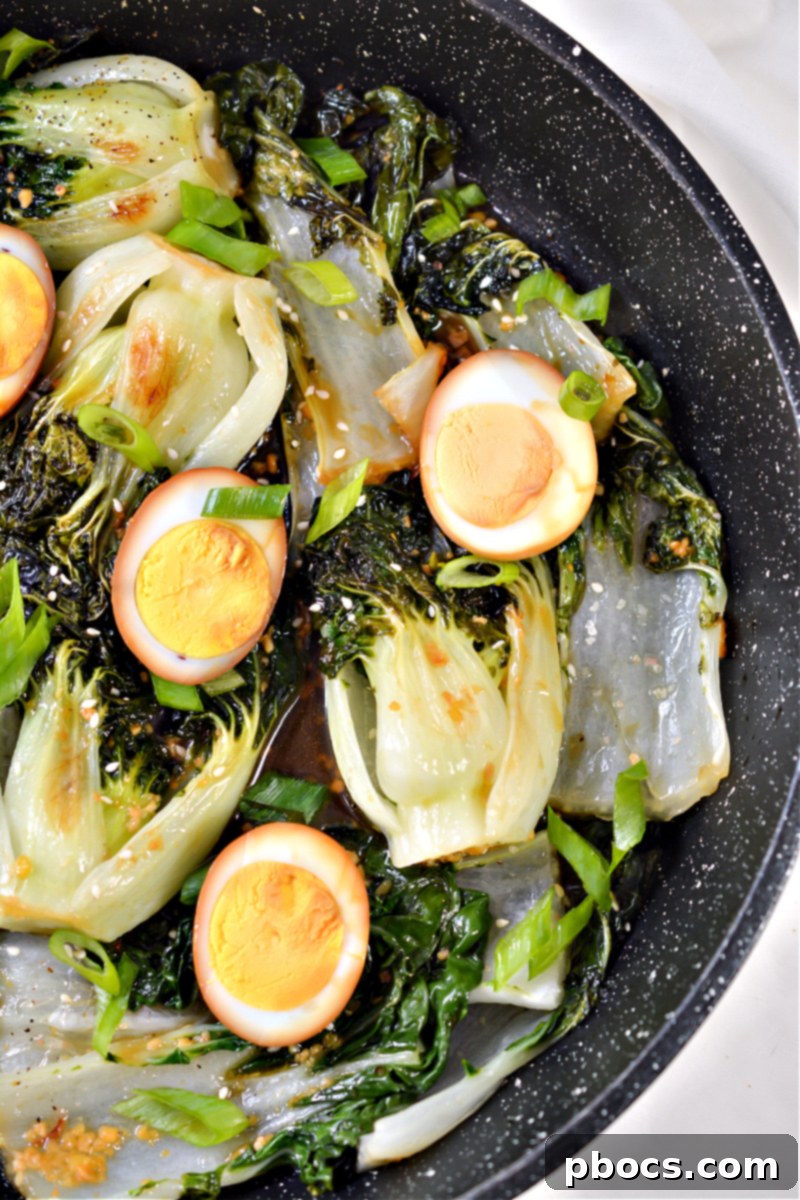
Flavorful & Fast: Keto Bok Choy Stir Fry with Savory Soy Sauce Eggs
Craving the vibrant tastes of Asian cuisine while adhering to your keto lifestyle? Look no further! This delightful meatless meal offers a perfect blend of high protein and low net carbs, making it an ideal choice for a satisfying lunch or a light dinner. Our Keto Bok Choy Stir Fry, crowned with perfectly marinated soy sauce eggs, brings authentic Chinese flavors right to your kitchen in a simple, nutritious, and incredibly delicious package.
Soy Sauce Eggs Or Ramen Eggs – Unraveling the Delicious Differences
While often used interchangeably, “soy sauce eggs” and “ramen eggs” describe variations of a beloved Asian delicacy. Both involve eggs marinated in a sweet and savory soy sauce mixture, but their preparation and intended use typically feature distinct characteristics.
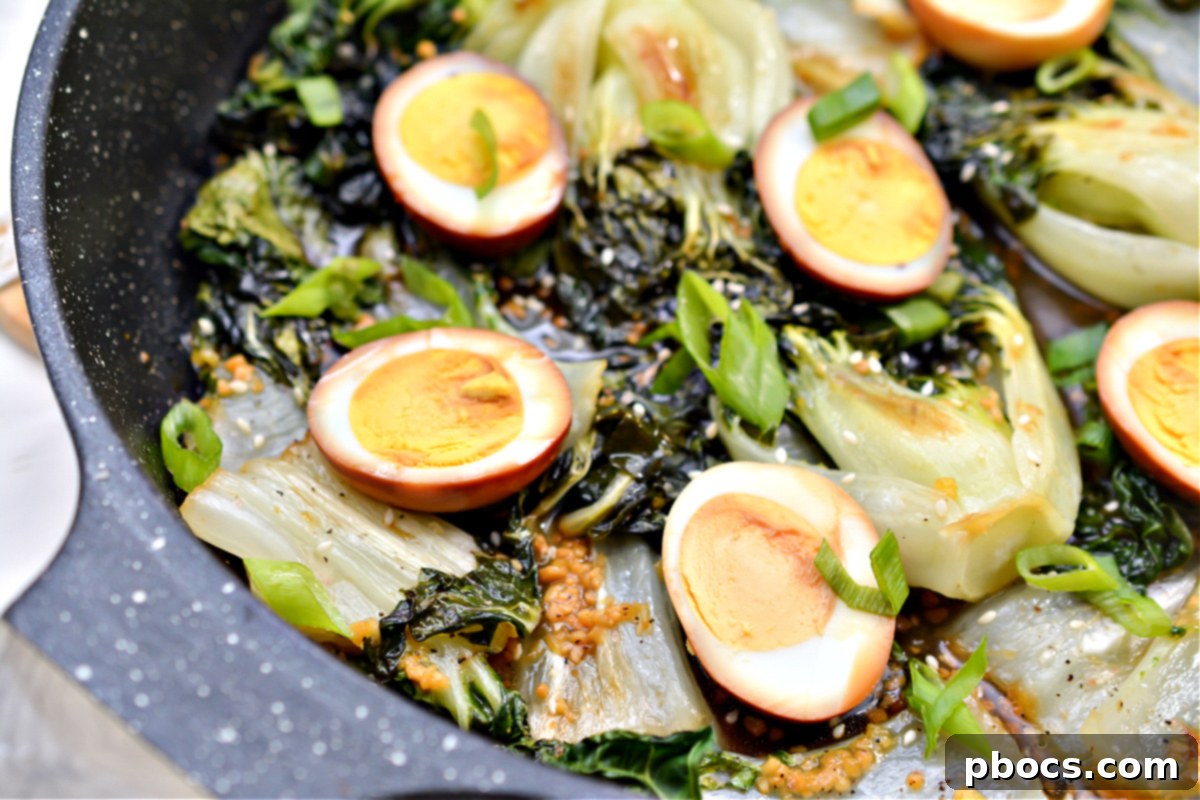
Understanding Soy Sauce Eggs (Ajitama or Ajitsuke Tamago)
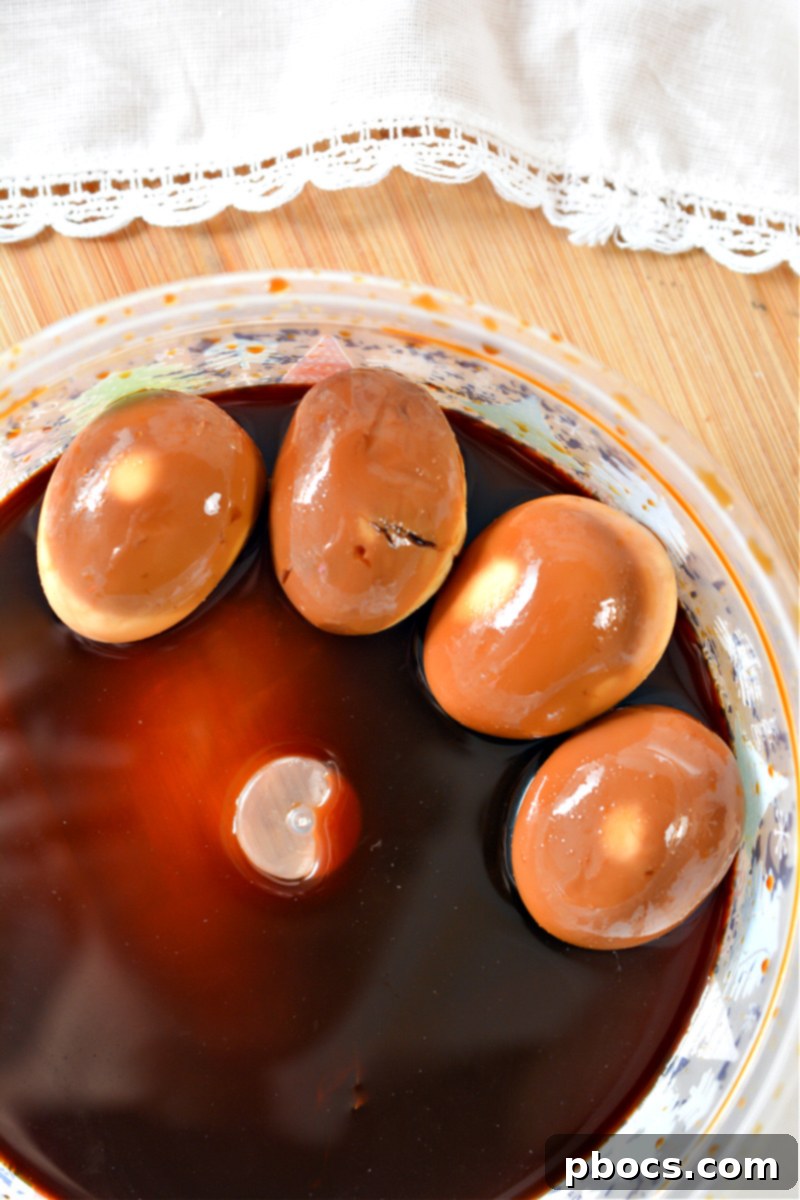
Soy sauce eggs, commonly known as Ajitama or Ajitsuke Tamago in Japanese cuisine, are typically hard-boiled eggs that have been carefully peeled and then steeped in a flavorful marinade. This marinade, a delectable blend of soy sauce, rice vinegar, and a touch of sweetness (often from sugar or a keto-friendly substitute like Swerve), infuses the eggs with a rich umami taste and a beautifully stained brown exterior. These versatile eggs are fantastic for adding a protein boost and a burst of flavor to various dishes. You’ll find them sliced in salads, nestled into nourishing soups, or, as in this recipe, elegantly topping a vibrant stir fry. Their firm texture makes them easy to handle and a great textural contrast to crisp vegetables.
Exploring Ramen Eggs (Onsen Tamago or Soft-Boiled Ajitama)
Ramen eggs share a similar marinating process but distinguish themselves by their core consistency. The defining feature of a true ramen egg is its soft, often gooey yolk. These eggs are usually soft-boiled, achieving a delicate white and a creamy, flowing yolk that enriches the broth of any ramen soup it accompanies. When sliced in half, the luxurious yolk often spills into the soup, adding incredible richness and depth to every spoonful. The preparation requires precise timing to get that perfect soft-boiled texture before marination. If your preference leans towards a firm, yet tender egg that holds its shape beautifully within a stir fry, then soy sauce eggs are indeed your ideal choice.
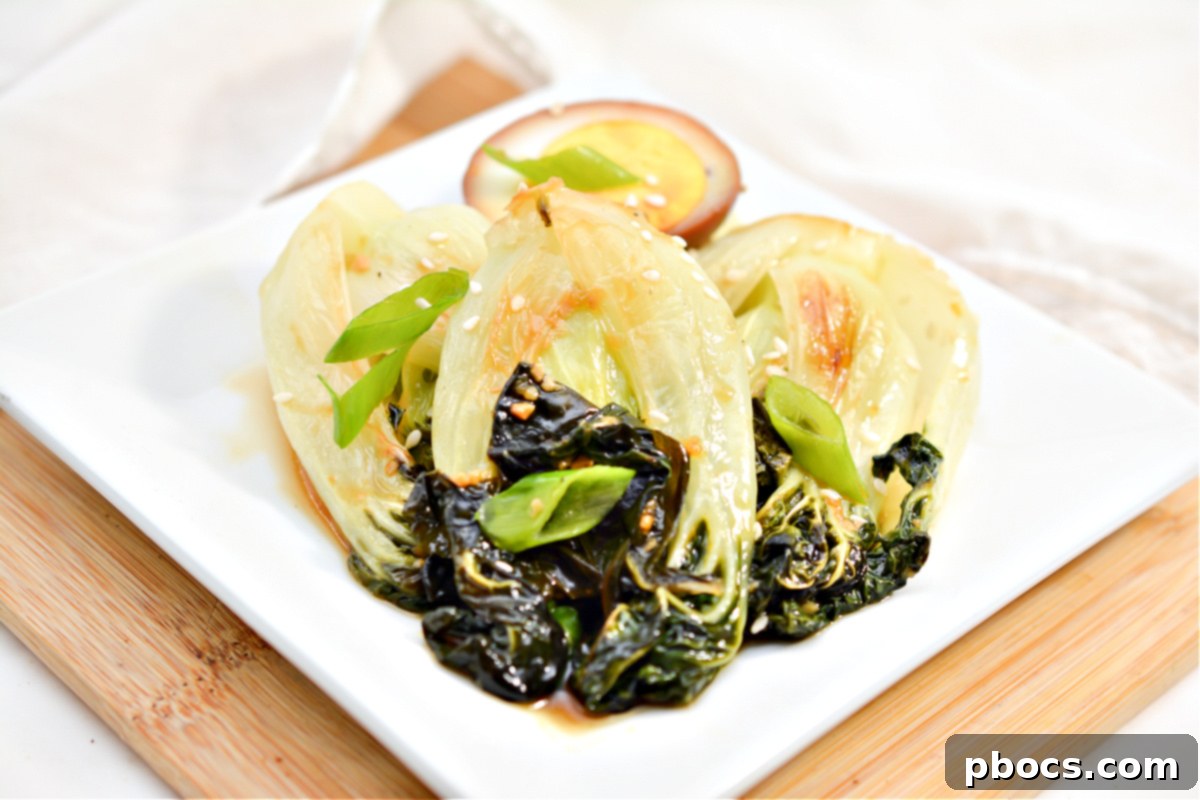
Crafting Perfect Soy Sauce Eggs for Your Keto Stir Fry
Soy sauce eggs are not just a garnish; they’re a flavor powerhouse and an excellent way to elevate simple hard-boiled eggs into something truly special. They are also fantastic for meal prepping. Many home cooks, including myself, prepare a batch of a dozen hard-boiled eggs at the beginning of the week, allowing for quick and healthy additions to various meals.
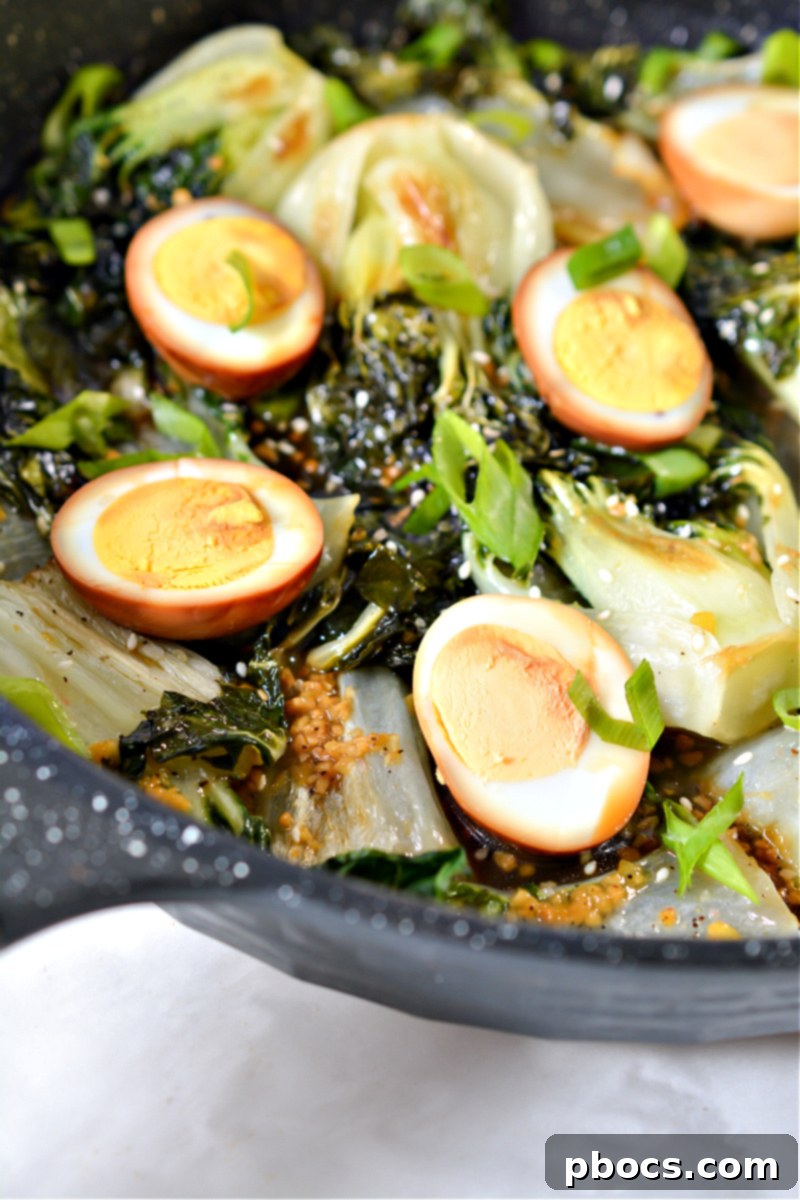
To make these savory gems, begin by preparing your hard-boiled eggs to your preferred doneness. Once cooled, gently peel them, ensuring the whites remain intact. The next crucial step is the marination. Place the peeled eggs into an airtight container or a sturdy resealable food storage bag. Pour over your carefully crafted marinade—a simple yet potent mixture of soy sauce (or tamari for a gluten-free option), rice vinegar for a touch of tang, a keto-friendly brown sugar substitute for sweetness, and a little water to balance the flavors. Allow the eggs to soak in the refrigerator for at least two hours. For deeper flavor penetration and that signature dark hue, you can marinate them overnight, shaking the container occasionally to ensure even coating. This passive cooking process transforms plain eggs into a vibrant, umami-rich component perfect for this low-carb stir fry.
The Star of the Show: Our Vibrant Bok Choy Stir Fry
This bok choy stir fry is designed for peak freshness and flavor, best enjoyed immediately after cooking. The crisp-tender texture of the bok choy and other vegetables is simply unparalleled when served hot off the stove. While it’s most delicious fresh, you can store any leftovers in an airtight container in the refrigerator for up to three days. Be aware that the vegetables will soften slightly over time, but the flavors will remain delightful.
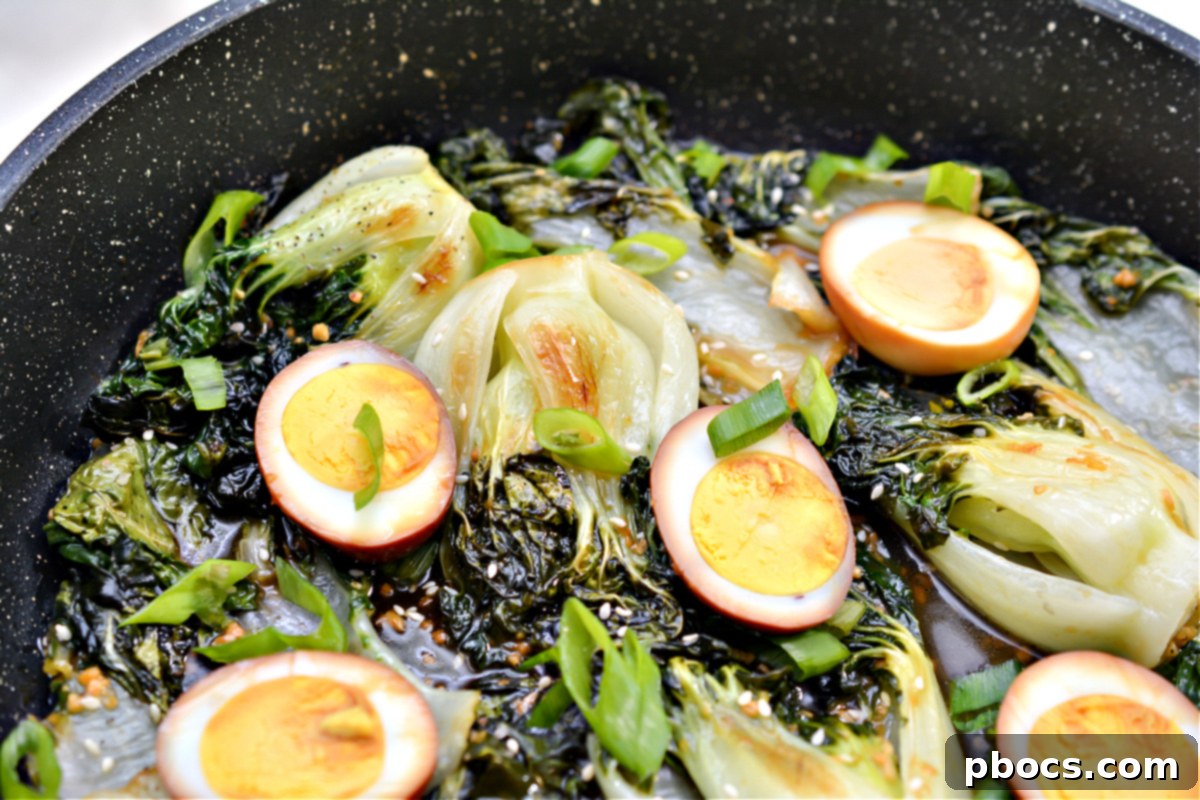
One of the many beauties of this stir fry recipe is its inherent versatility. While presented as a fantastic meatless option, it serves as an excellent base for customization. Feel free to incorporate your favorite keto-friendly proteins such as thinly sliced chicken breast or thighs, lean pork strips, shrimp, or even a flavorful sausage. The quick cooking method of stir-frying makes it an ideal canvas for creativity, allowing you to tailor it precisely to your dietary needs and taste preferences.
Mastering the Art of Cutting Bok Choy for Stir Fry Perfection
Properly preparing bok choy is key to achieving the desired texture in your stir fry. The goal is to cut the leaves and stalks into uniform strips that will cook evenly and retain a satisfying crisp-tender bite. This method ensures that each piece is infused with the stir-fry sauce and offers a delightful mouthfeel.
Before cutting, it’s essential to thoroughly clean the bok choy. Dirt and sand can often get trapped within the tightly packed stalks. Start by separating the individual leaves from the core. Rinse each leaf and stalk piece under cold running water, paying close attention to the base of the stalks. You can also soak them briefly in a bowl of water with a splash of vinegar to dislodge any stubborn grit, then rinse again. Pat them dry completely before cutting, as excess water can steam your stir-fry instead of searing it.
For stir-frying, most recipes recommend slicing the white stalks into diagonal pieces and roughly chopping the green leaves. However, for a uniform texture that cooks quickly, cutting the entire bok choy (after separating and cleaning) into strips is an excellent approach. This method provides consistent texture throughout the dish. A detailed guide, like the one from Cooks Illustrated, can provide visual instructions for various cutting techniques, helping you achieve professional results.
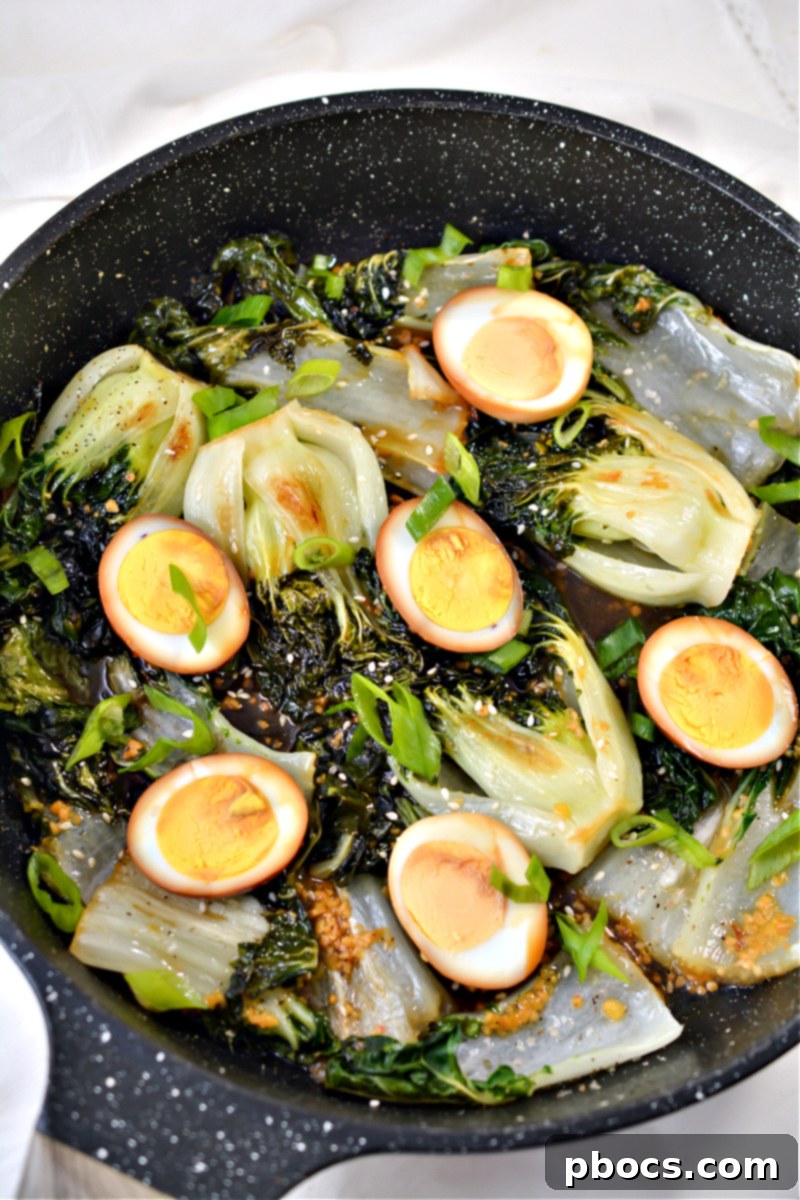
Exploring More Delicious Bok Choy Keto Recipes
Bok choy is a phenomenal vegetable for those following a ketogenic diet. Its low carb count, coupled with its mild flavor and crisp texture, makes it incredibly versatile. This particular bok choy stir fry pairs exceptionally well with other keto-friendly Asian-inspired dishes. Imagine serving it alongside some savory keto cauliflower fried rice for a truly complete and satisfying meal that keeps you in ketosis.
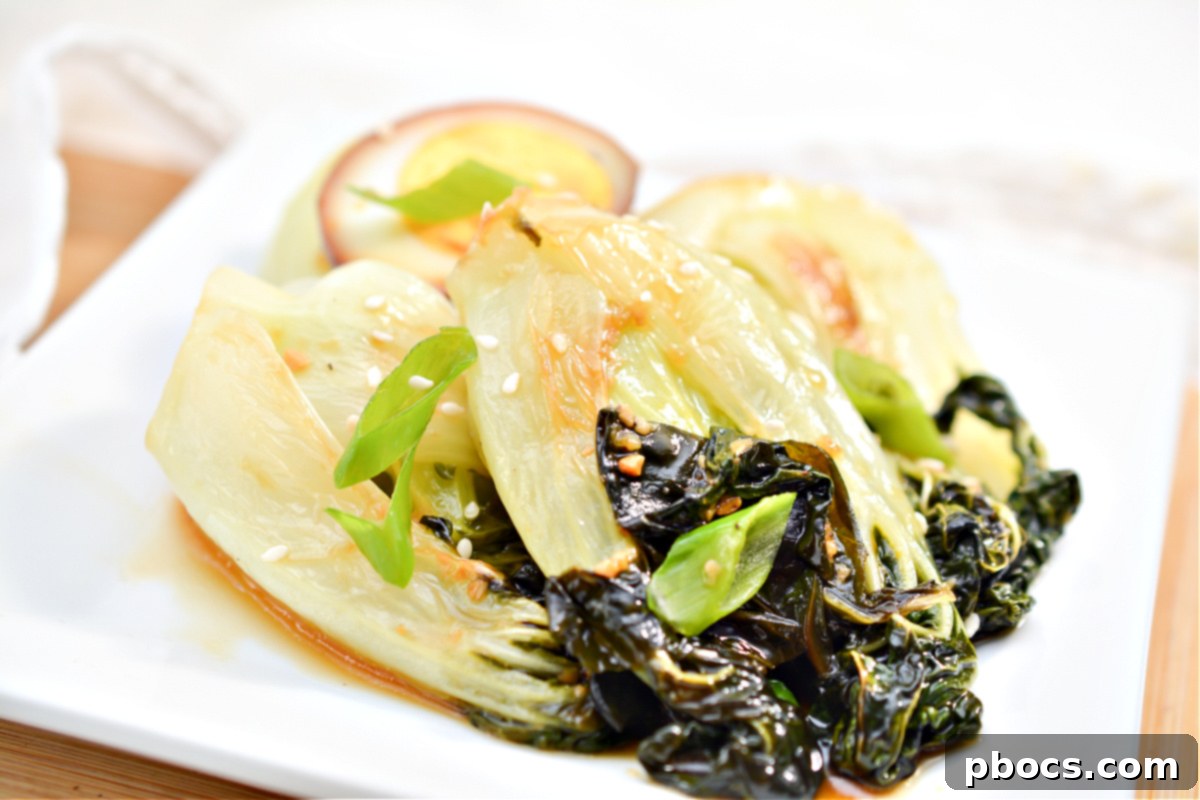
Beyond stir-fries, there are numerous creative ways to incorporate this nutritious vegetable into your low-carb meal plan. You can prepare it by slicing it in half lengthwise, drizzling with olive oil, and roasting it in the oven until tender-crisp. The slight caramelization brings out a unique sweetness. It also shines as a key ingredient in brothy dishes, providing both texture and a gentle peppery note, much like in my delicious creamy keto miso ramen soup with shrimp. You’ll often find that the most popular keto bok choy recipes revolve around stir-frying, and for good reason—this cooking method truly highlights its best attributes, especially when combined with a classic soy-based sauce.
Bok Choy Substitutes: When You Need an Alternative
Bok choy is not just delicious; it’s also incredibly nutritious. This cruciferous vegetable is a fantastic source of essential vitamins and minerals, including a good amount of iron and dietary fiber—two components that are particularly important for maintaining digestive health and energy levels, especially when following a ketogenic diet. However, if bok choy isn’t readily available at your local grocery store, or if you simply want to try something new, there are several excellent low-carb substitutes that can seamlessly integrate into your stir fry.
For a stir fry, some of the best alternatives include:
- Leek: Offers a mild oniony flavor and a tender texture when cooked, making it a wonderful aromatic substitute.
- Broccoli: Florets and tender stalks provide a great crunch and absorb flavors beautifully. It’s a classic in stir-fries for its robust texture.
- Napa Cabbage: Also known as Chinese cabbage, Napa cabbage has a milder flavor and softer texture than bok choy, but it wilts down similarly and is excellent in Asian dishes.
- Swiss Chard: With vibrant stems and earthy leaves, Swiss chard can be used in a similar fashion, adding a slightly bitter note that complements savory sauces.
Each of these substitutes offers its own unique flavor and texture profile, allowing you to adapt the recipe while keeping it keto-friendly and delicious.
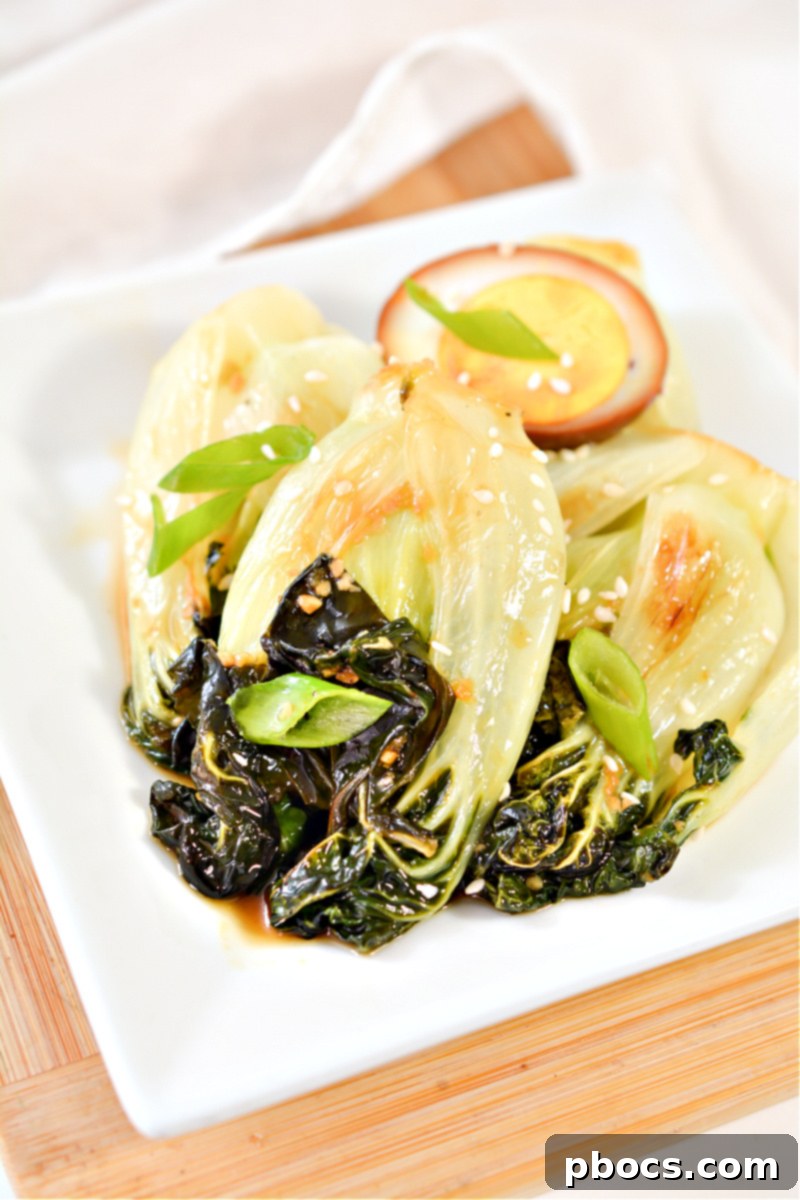
Keto Bok Choy Stir Fry With Soy Sauce Eggs
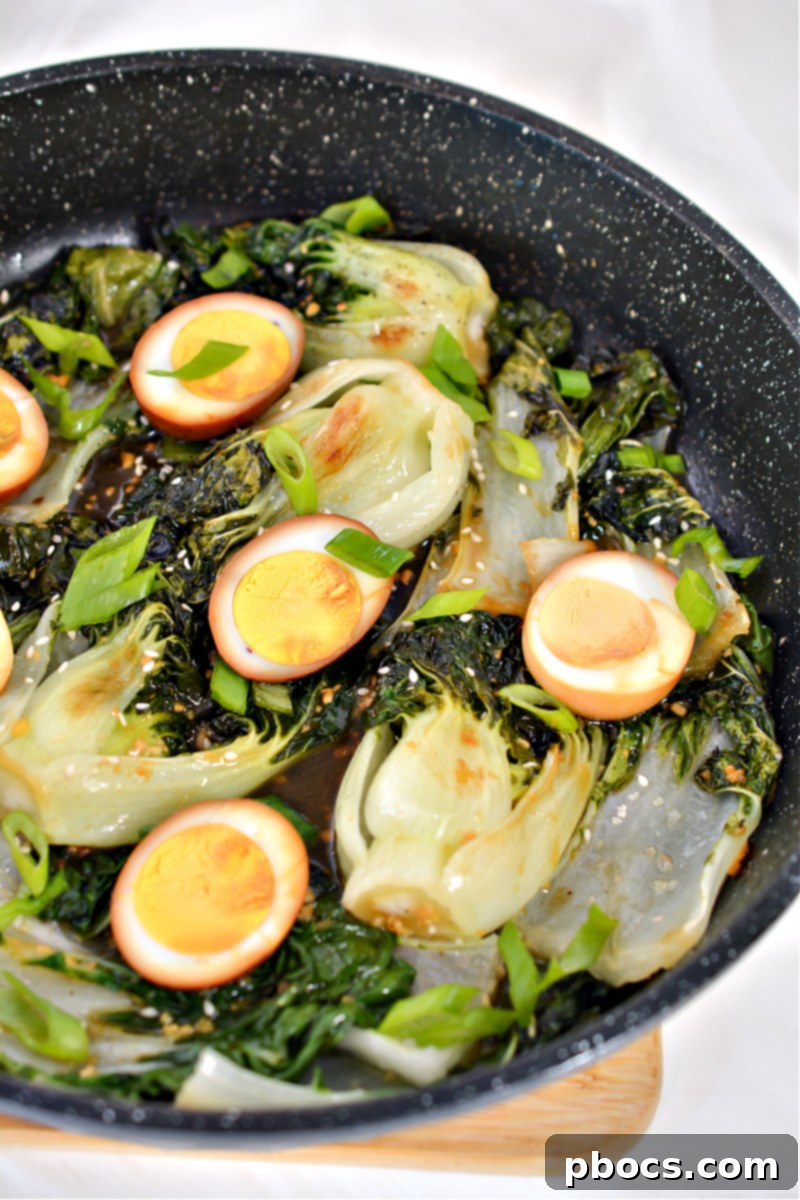
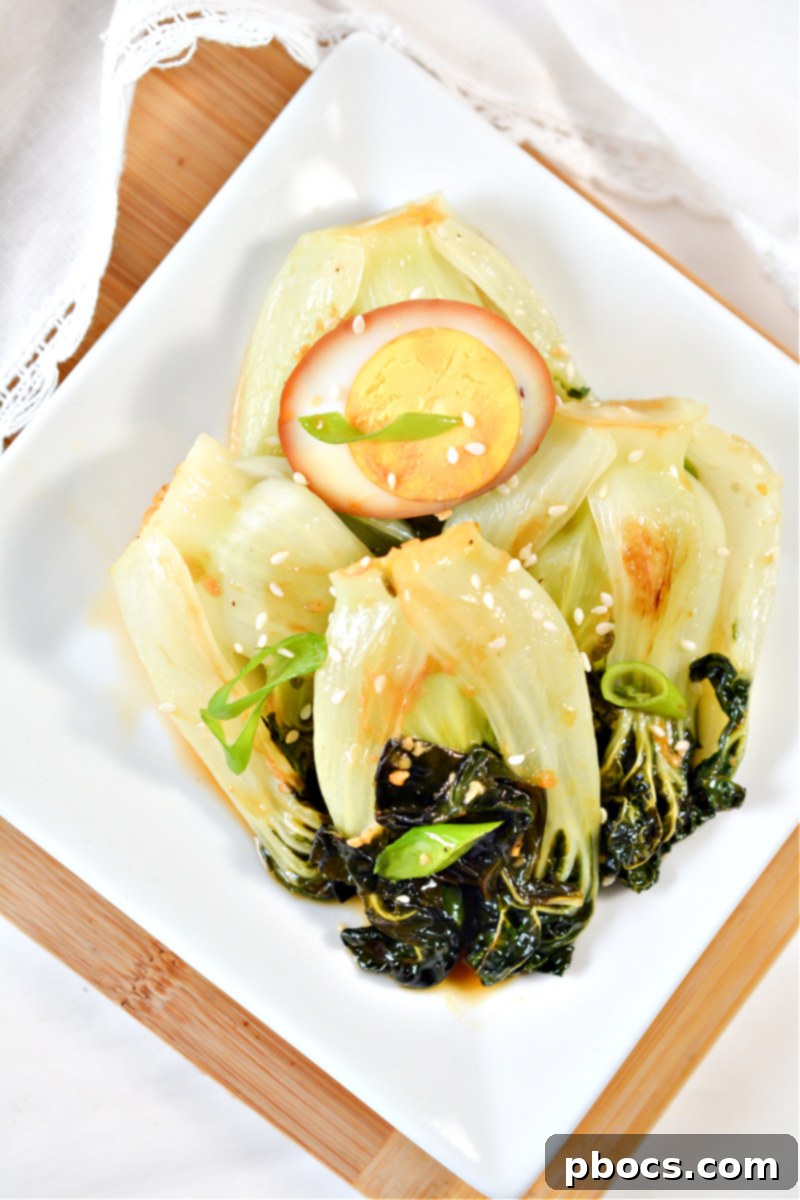
This meatless meal is high in protein. Keto bok choy stir fry topped with soy sauce eggs are the perfect lunch when you crave Chinese food.
Course: Dinner, Lunch
Cuisine: Chinese
Keyword: Bok Choy Stir Fry
Prep Time: 10 minutes
Cook Time: 15 minutes
Total Time: 25 minutes
Servings: 4 people
Calories: 150 kcal
Ingredients
Soy Sauce Eggs
- 4 Hard-Boiled Eggs
- 1/3 cup Soy Sauce
- 1 tbsp Rice Vinegar
- 1/2 tbsp Swerve Brown Sugar Substitute
- 3 tbsp Water
Bok Choy Stir Fry
- 1 pound Baby Bok Choy
- 1 tbsp Olive Oil
- 1 tsp Sesame Oil
- 1 tbsp Soy Sauce
- 1/2 tbsp Rice Cooking Wine
- 2 tsp Minced Garlic
- 1 tsp Ginger Paste
- 1/2 tsp Swerve Brown Sugar Substitute
Instructions
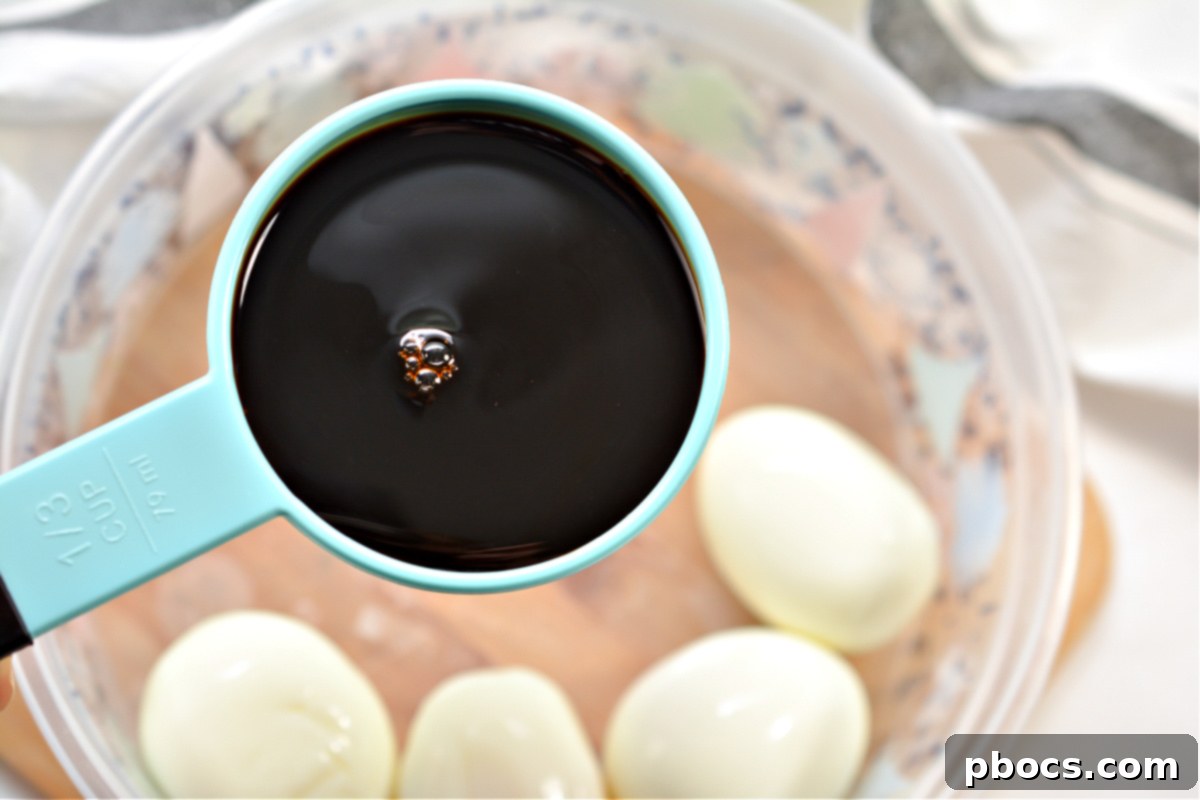
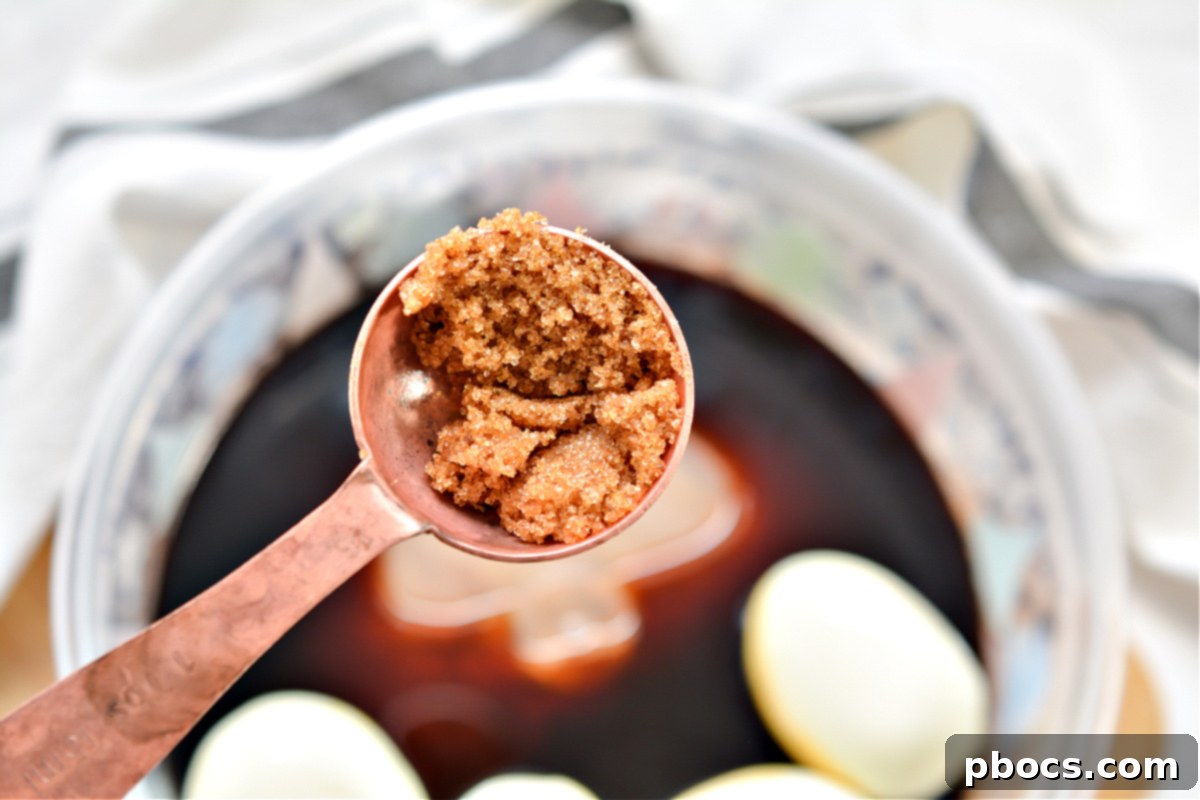
Place the hard-boiled eggs into an airtight container with ⅓ cup soy sauce, 1 Tbsp rice vinegar, ½ tbsp Swerve brown sugar substitute and 3 Tbsp water.

Stir to combine, and then marinate in the fridge for at least two hours, shaking the container slightly to coat the eggs well every 30 minutes or so.
Heat the olive oil and sesame oil in a skillet over medium heat on the stove.
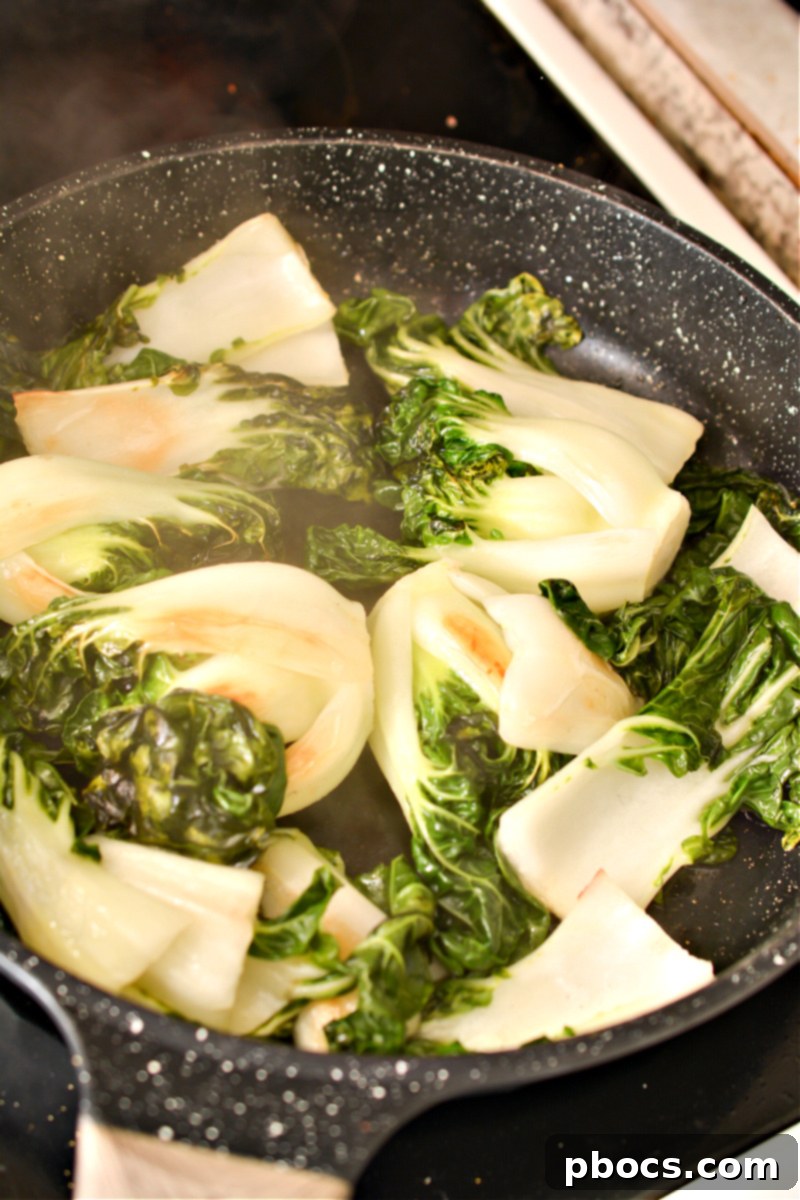
Remove the outer large leaves from each baby bok choy until just a small center cluster is remaining. Place the loose leaves and bok choy centers into the heated skillet.
Sear the bok choy on both sides slightly, and then reduce the heat to medium-low and cover. Cook for 5 minutes turning if needed to prevent burning.
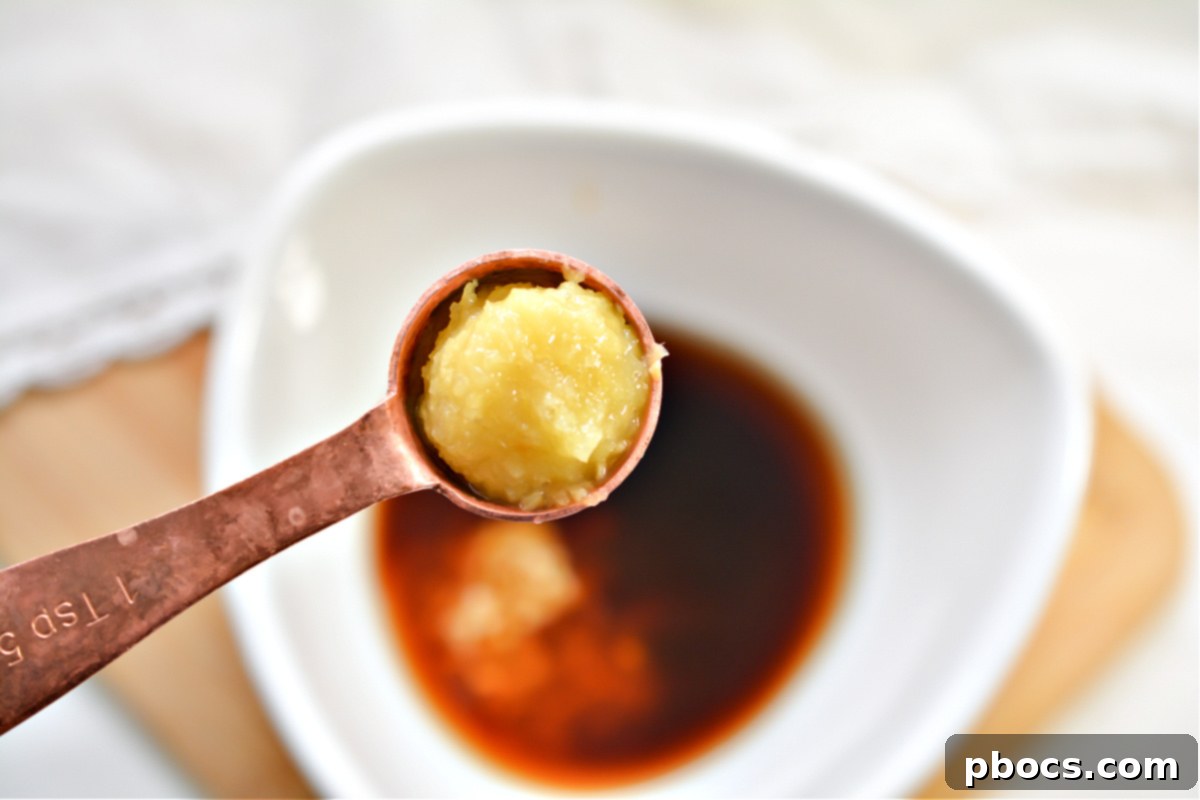
In a bowl, combine 1 Tbsp. soy sauce, ½ Tbsp rice cooking wine, 2 tsp minced garlic, 1 tsp ginger paste and ½ tsp Swerve brown sugar substitute.
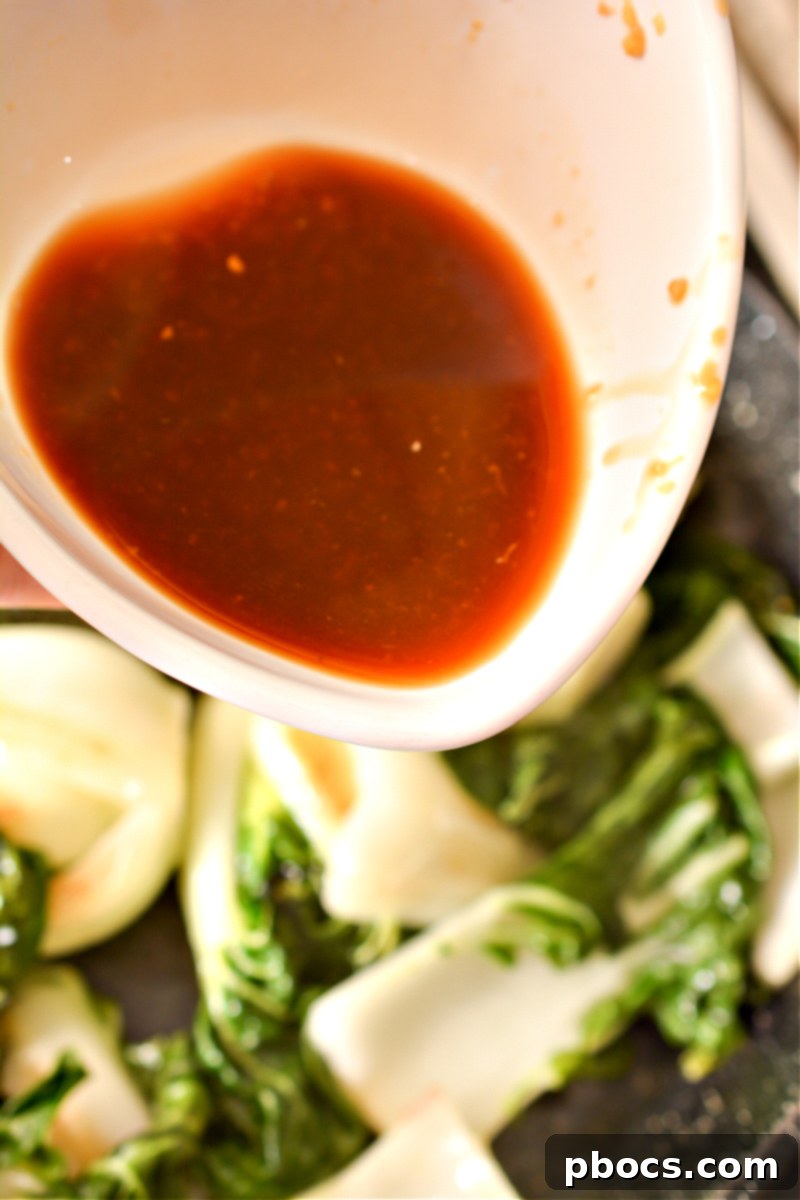
Pour the sauce mixture over the bok choy in the skillet and saute for 5-6 minutes.
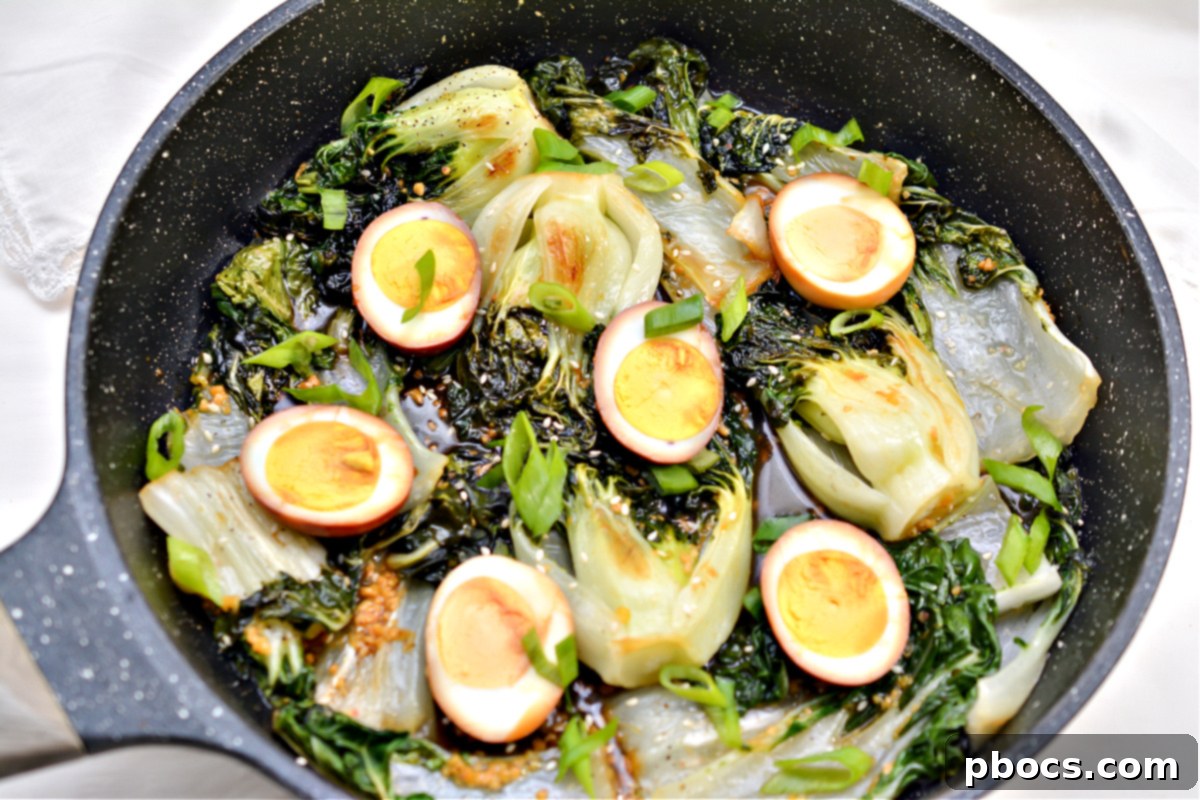
Sprinkle the bok choy with sesame seeds and green onions for garnish if desired.
Slice the soy sauce eggs in half, and serve immediately with the bok choy stir fry.

Recipe Notes
Calories: 150 kcal
Net Carbs: 3 Net Carbs Per Serving
The nutritional information for this recipe is calculated as a courtesy and is an approximate only. I cannot guarantee the accuracy of the nutritional information for any recipes on this site.
Don’t forget to pin this incredible recipe to your keto lunch ideas board on Pinterest so you can easily find it later!
For more mouthwatering keto meal ideas, make sure to follow me on Pinterest!
More Keto Chinese Food Recipes to Satisfy Your Cravings
If you thoroughly enjoyed the delicious and healthy experience of this Keto Bok Choy Stir Fry with Soy Sauce Eggs, you’ll be thrilled to discover more low-carb recipes that capture the essence of your favorite Chinese takeout dishes without compromising your ketogenic goals. Explore these fantastic options for a diverse array of flavors and textures:
- Keto Egg Roll In A Bowl: All the flavors of an egg roll, deconstructed into a convenient and low-carb bowl.
- Easy Keto Mongolian Beef: A sweet and savory classic, reimagined for a keto diet without sacrificing flavor.
- Keto Bang Bang Cauliflower: Crispy cauliflower tossed in a spicy, creamy sauce—a perfect appetizer or side.
- Low Carb Keto Egg Roll Soup: A comforting and flavorful soup that embodies the essence of an egg roll in liquid form.
- Low-Carb Moo Shu Pork Recipe: A delightful and aromatic pork dish that’s surprisingly easy to make keto-friendly.
Embrace the vibrant and diverse world of keto-friendly Asian cuisine with these incredible recipes. Happy cooking!