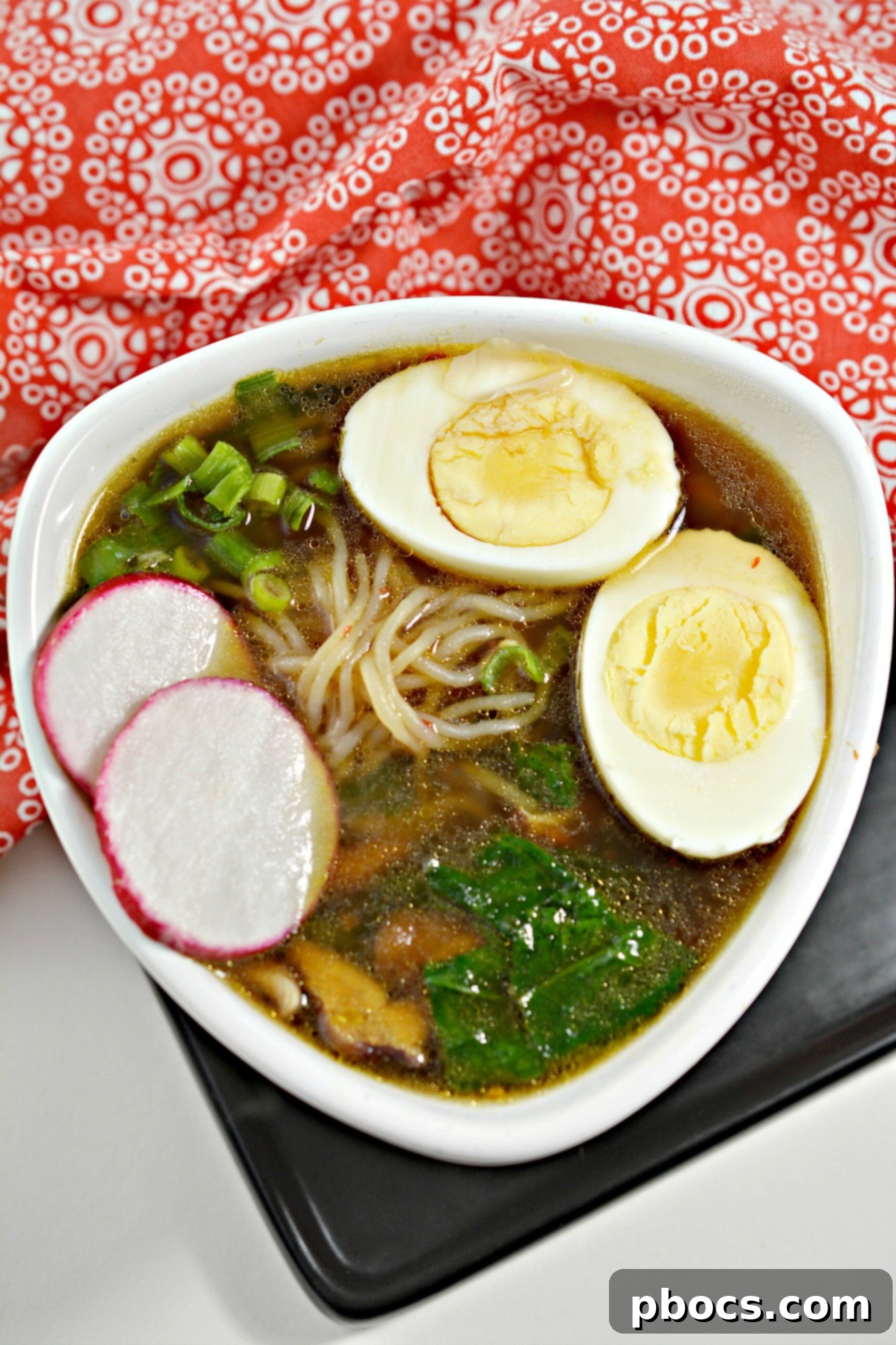
Craving a warm, comforting bowl of ramen but sticking to a low-carb or ketogenic diet? You’re in luck! This easy keto ramen recipe delivers all the savory satisfaction of traditional ramen without the carb overload. Using clever low-carb alternatives, you can enjoy a deeply flavorful broth, tender noodles, and an array of customizable toppings that make this dish a truly satisfying meal. It’s not just for “poor college students” anymore; this is a grown-up, healthy, and incredibly delicious ramen experience.
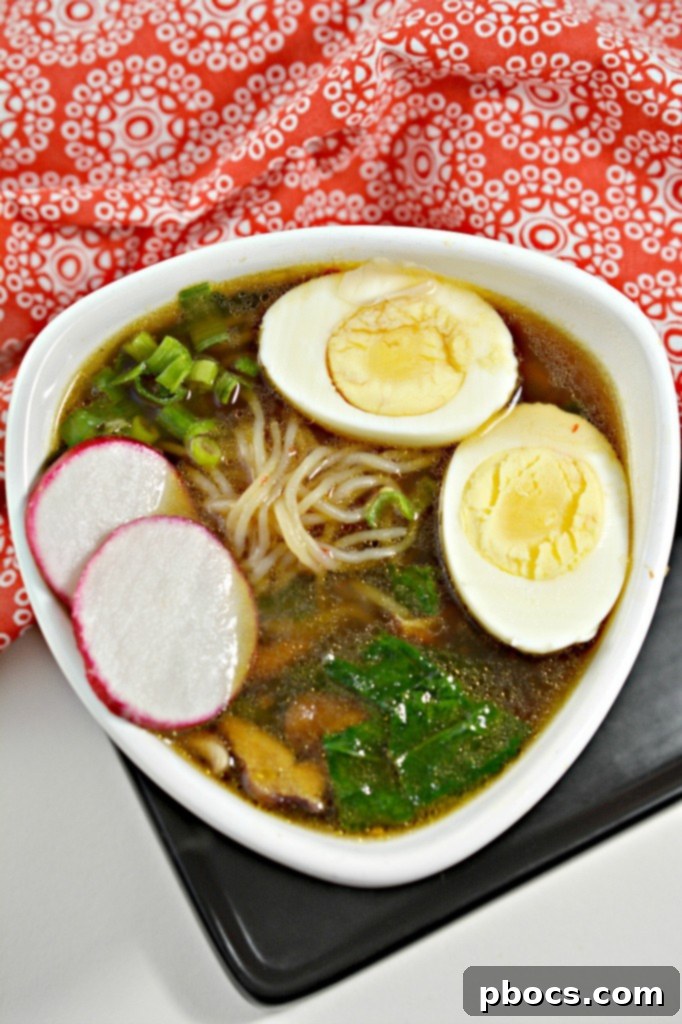
Embracing the Keto Lifestyle: Why This Ramen Recipe is a Game-Changer
The ketogenic diet has gained immense popularity for its potential benefits in weight management, improved energy levels, and enhanced cognitive function. However, adhering to a low-carb regimen often means saying goodbye to beloved comfort foods, especially those rich in carbohydrates like pasta and noodles. Ramen, a quintessential comfort dish known for its hearty noodles and rich broth, typically falls into this forbidden category. But what if you could enjoy a steaming bowl of ramen that perfectly aligns with your keto goals?
This recipe is designed to bridge that gap, offering a keto-friendly ramen that doesn’t compromise on flavor or satisfaction. It’s a testament to how creative cooking can transform classic dishes into healthy, low-carb versions. Get ready to welcome ramen back into your life, guilt-free and full of vibrant taste.
Similar Keto Recipes You’ll Love: Easy Keto Egg Roll Soup, Keto Shrimp Lo Mein, Low Carb Egg Drop Soup
The Star of the Show: Low-Carb Shirataki Noodles
The secret to transforming this comfort food into a keto-approved delight lies in our choice of noodles: Shirataki noodles. Often referred to as “miracle noodles” or “konjac noodles,” these unique strands are derived from glucomannan, a dietary fiber extracted from the root of the konjac plant. Originating from Asia, Shirataki noodles have been a staple in many traditional cuisines for centuries, and now they’re taking the low-carb world by storm.
What makes them so miraculous? Shirataki noodles are incredibly low in calories and carbohydrates, often containing less than 1 gram of net carbs per serving, making them perfect for keto and other low-carb diets. Their high fiber content also contributes to a feeling of fullness, aiding in appetite control. These noodles have a distinct, slightly translucent appearance and a unique, somewhat firm texture that beautifully mimics traditional ramen noodles once properly prepared. Many people, including myself, find it hard to tell the difference when they’re enveloped in a flavorful broth!
One common concern with Shirataki noodles is a slight initial odor from the packaging liquid. However, this is easily remedied. A thorough rinse under cold water, followed by a quick blanch or dry-fry in a skillet, will remove any residual smell and improve their texture, allowing them to better absorb the delicious flavors of your ramen broth.
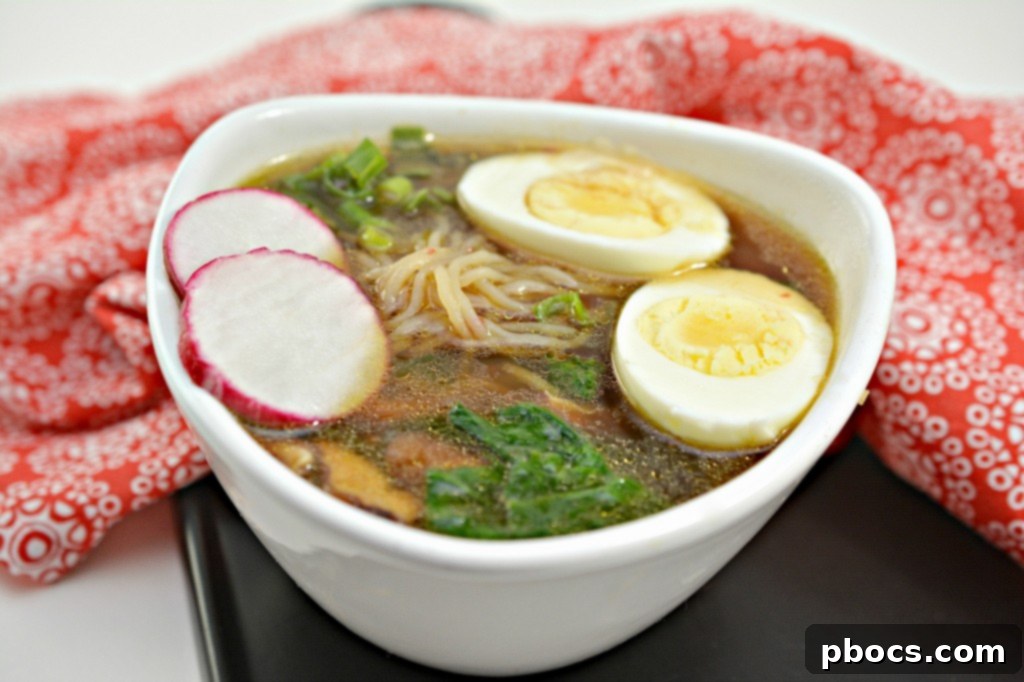
Crafting the Perfect Keto Ramen Broth: A Symphony of Flavors
Beyond the noodles, the heart and soul of any great ramen lies in its broth. Our keto ramen broth is a carefully balanced blend of aromatic ingredients that create a rich, umami-packed foundation for your meal. This recipe ensures a complex flavor profile that will satisfy even the most discerning ramen connoisseur.
We combine the robust depth of beef broth with the lighter, savory notes of chicken broth, creating a multifaceted base. The addition of soy sauce (or tamari for a gluten-free option) contributes essential umami, while fresh ginger paste and aromatic minced garlic provide a pungent, warming spice. For that signature ramen kick, garlic chili sauce is incorporated, offering a delightful heat that awakens the palate. If you prefer a milder flavor, simply adjust the amount of chili paste to your liking.
For those mindful of sodium intake, opt for low-sodium soy sauce and reduced-sodium broths. This allows you to control the saltiness without sacrificing flavor. The beauty of this homemade broth is its fresh ingredients, ensuring a much healthier and less sodium-laden alternative to instant ramen packets, all while delivering an intensely flavorful experience.
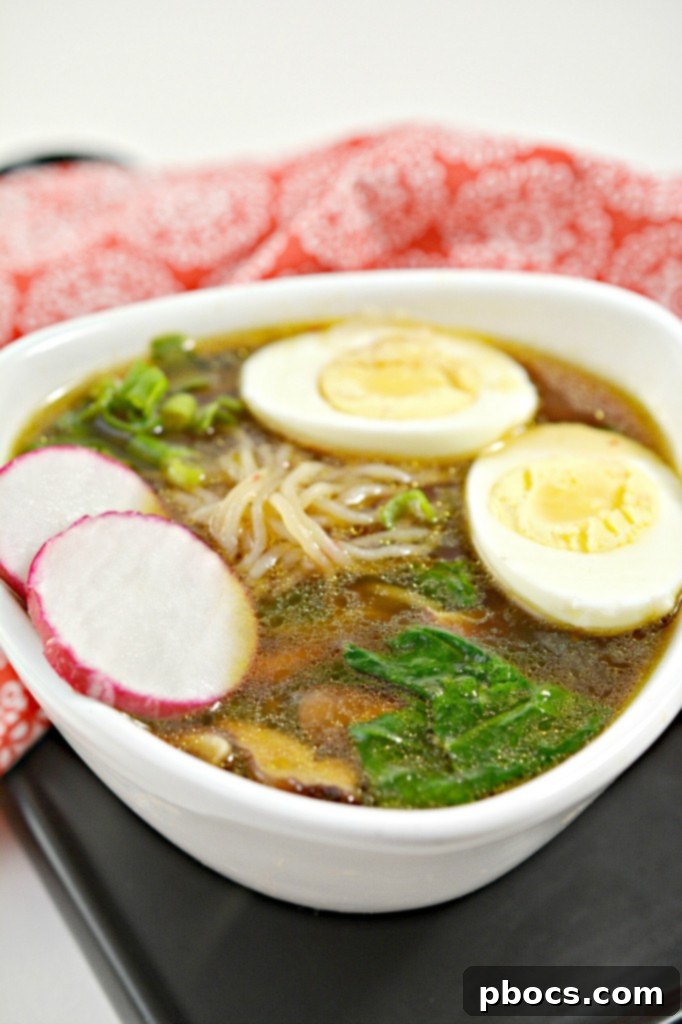
Customizing Your Keto Ramen Masterpiece: Endless Possibilities
One of the best aspects of ramen is its incredible versatility, and this keto version is no exception. While the base recipe is fantastic on its own, it serves as a canvas for endless customization, allowing you to tailor your bowl to your personal preferences and whatever ingredients you have on hand. Don’t be afraid to get creative!
Add Your Favorite Proteins
Transform your keto ramen into a hearty, protein-packed meal by adding cooked meat or plant-based alternatives. Simply cook your chosen protein separately and add it to your bowl just before serving. Here are some delicious ideas:
- Thinly Sliced Steak: Quickly sear or grill lean beef for a rich, savory addition.
- Shredded Chicken: Use leftover rotisserie chicken or quickly poach and shred chicken breast.
- Shrimp: Sautéed or boiled shrimp adds a fantastic seafood twist.
- Pork Belly: Crispy pork belly pieces are a classic ramen topping and perfect for keto.
- Tofu or Tempeh: For a vegetarian option, pan-fry or bake cubes of firm tofu or tempeh until golden and crispy.
Boost with Vibrant Vegetables
While our recipe includes mushrooms and spinach, the possibilities for adding more fresh, nutrient-dense vegetables are vast. Most non-starchy vegetables are keto-friendly and will add texture, color, and vitamins to your ramen. Consider:
- Matchstick Carrots: Add a touch of sweetness and crunch (use in moderation due to higher carb content).
- Broccoli Florets: Small, tender florets blanch beautifully in the hot broth.
- Bok Choy: A classic Asian green that wilts perfectly.
- Bell Peppers: Thinly sliced bell peppers (any color) add a mild, sweet crunch.
- Snow Peas: Quick to cook and offer a crisp texture.
- Bamboo Shoots: For an authentic ramen experience.
Elevate with Toppings and Garnish
Toppings are crucial for the full ramen experience, adding layers of flavor and visual appeal:
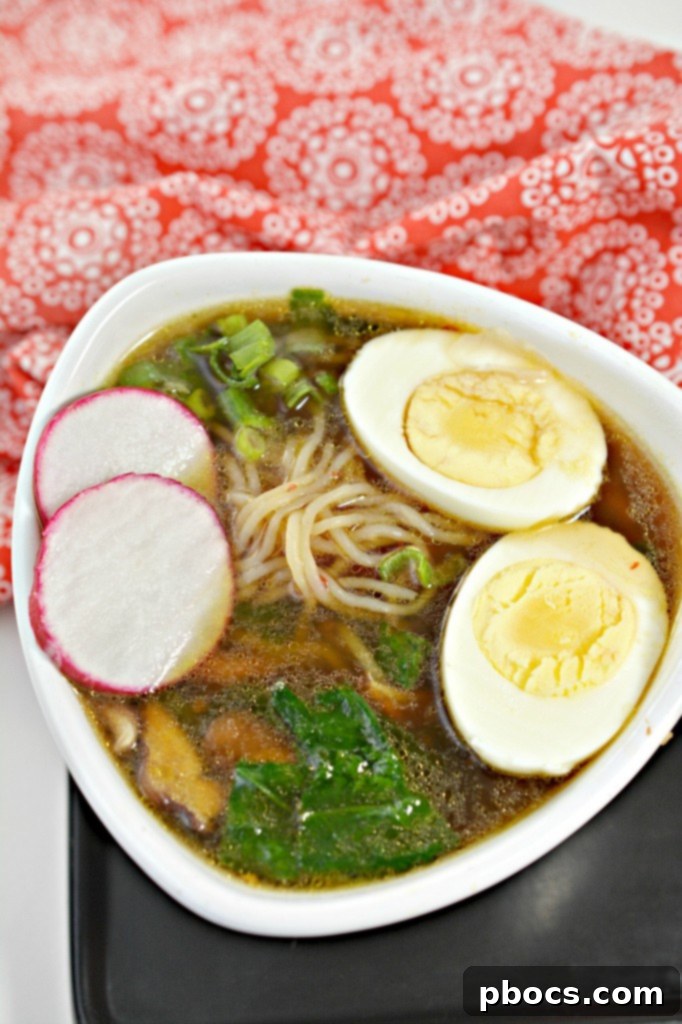
- Hard-Boiled Eggs: Our recipe calls for them, and they are a staple. Try soft-boiled or jammy eggs for a richer yolk. If you have an egg allergy, feel free to omit them – the soup will still be delicious.
- Shaved Radishes: Provide a peppery bite and a beautiful pop of color.
- Chopped Green Onions: Essential for freshness and a mild oniony flavor.
- Sesame Seeds: A sprinkle of toasted sesame seeds adds nutty flavor and texture.
- Nori (Dried Seaweed): Strips of nori contribute a distinct umami and oceanic flavor.
- Drizzle of Sesame Oil: A finishing touch that enhances the aromatic qualities.
- Chili Oil or Sriracha: For those who love extra heat.
Explore Noodle Alternatives (Beyond Shirataki)
While Shirataki noodles are fantastic, you can also experiment with other low-carb noodle options alongside or in place of them:
- Zucchini Noodles (Zoodles): Spiralized zucchini adds a fresh, light element. You can buy them pre-made or easily make your own at home with this recipe.
- Spaghetti Squash: Cooked and shredded spaghetti squash offers a similar noodle-like texture.
- Thin-Sliced Cabbage: Surprisingly delicious when simmered in broth, offering a slight crunch.
Meal Prep and Storage Tips for Busy Lifestyles
This easy keto ramen recipe is not only quick to prepare but also lends itself well to meal prepping. While it tastes best fresh, you can certainly make it ahead of time to enjoy throughout the week. To maintain the best texture and flavor:
- Store Separately: For optimal results, store the broth and cooked noodles separately in airtight containers in the refrigerator. The noodles can sometimes change texture if left soaking in the broth for too long.
- Vegetables & Proteins: Cooked vegetables and proteins can be stored with the broth or separately, depending on your preference.
- Shelf Life: Stored correctly, your keto ramen components will last for approximately 3 days in the refrigerator.
- Reheating: When ready to eat, simply reheat the broth gently on the stovetop or in the microwave. Add the noodles, vegetables, and any pre-cooked proteins to the hot broth just before serving. Garnish with fresh toppings for a perfectly revitalized meal.
Embracing this approach allows for quick, healthy meals on busy weeknights, making your keto journey both convenient and delicious.
Why This Is The Best Easy Keto Ramen Recipe
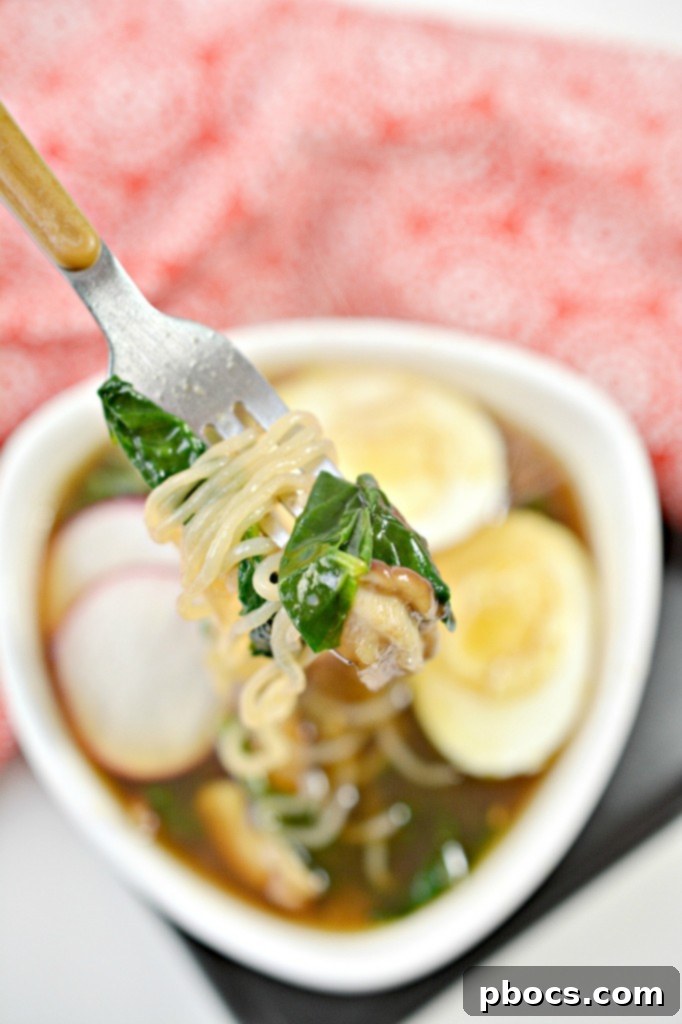
This recipe stands out for its simplicity, speed, and incredibly robust flavor profile. In less than 30 minutes, you can have a restaurant-quality keto ramen bowl that’s packed with nutrients and satisfying to the core. It’s perfect for a quick lunch, a comforting dinner, or a healthy snack. The combination of rich broths, zesty ginger and garlic, and spicy chili creates a harmonious blend that truly captures the essence of ramen, all while keeping your carb count low. Plus, the inclusion of fresh vegetables adds essential vitamins and a delightful texture to every spoonful.
Easy Keto Ramen Recipe
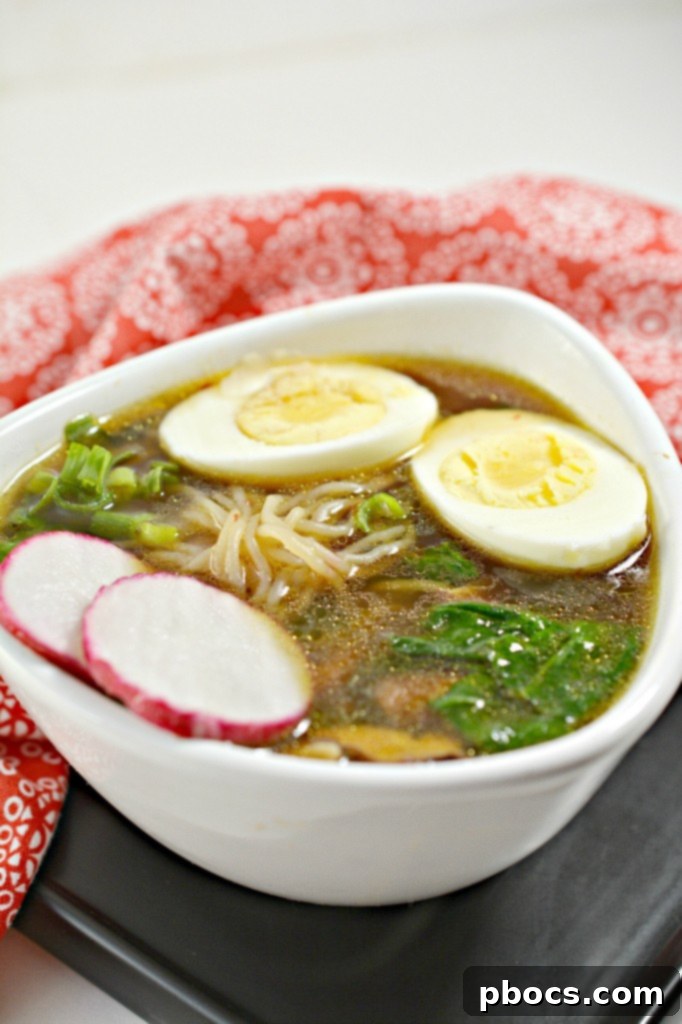
This easy keto ramen recipe uses low-carb noodles for a quick lunch or snack. It’s customizable and packed with flavor!
Course: Lunch
Keywords: Easy Keto Ramen Recipe, Low-Carb Ramen
Prep Time: 10 minutes
Cook Time: 15-20 minutes
Total Time: 30 minutes
Servings: 2 people
Calories: Approximately 100 kcal per serving
Net Carbs: 5 net carbs per serving
Ingredients
- 2 hard-boiled eggs
- 1/2 tsp olive oil
- 1 tbsp minced garlic
- 1 tbsp ginger paste
- 1 tsp garlic chili sauce
- 1 cup chicken broth
- 2 cups beef broth
- 1 package Miracle noodles (spaghetti form, drained)
- 1 cup sliced mushrooms
- 3 cups raw spinach
- 1 tbsp soy sauce
- Radishes (for garnish)
- Green onions (for garnish)
Instructions
Heat the olive oil in a deep-sided skillet or pot over medium heat.

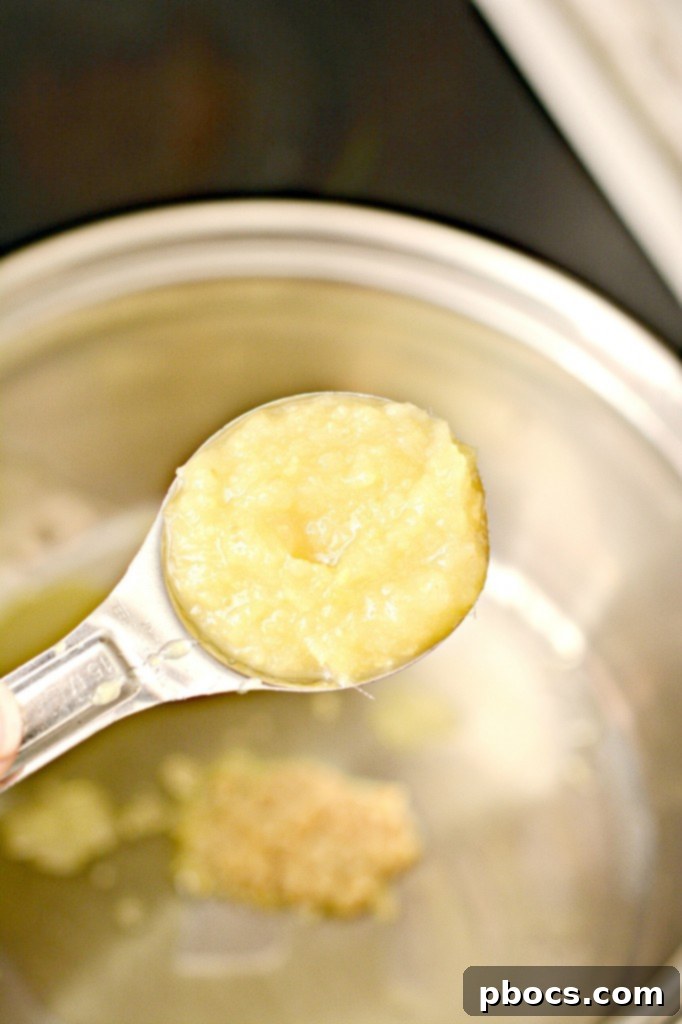
Add the minced garlic and ginger paste into the pot and sauté for 30 seconds until fragrant.
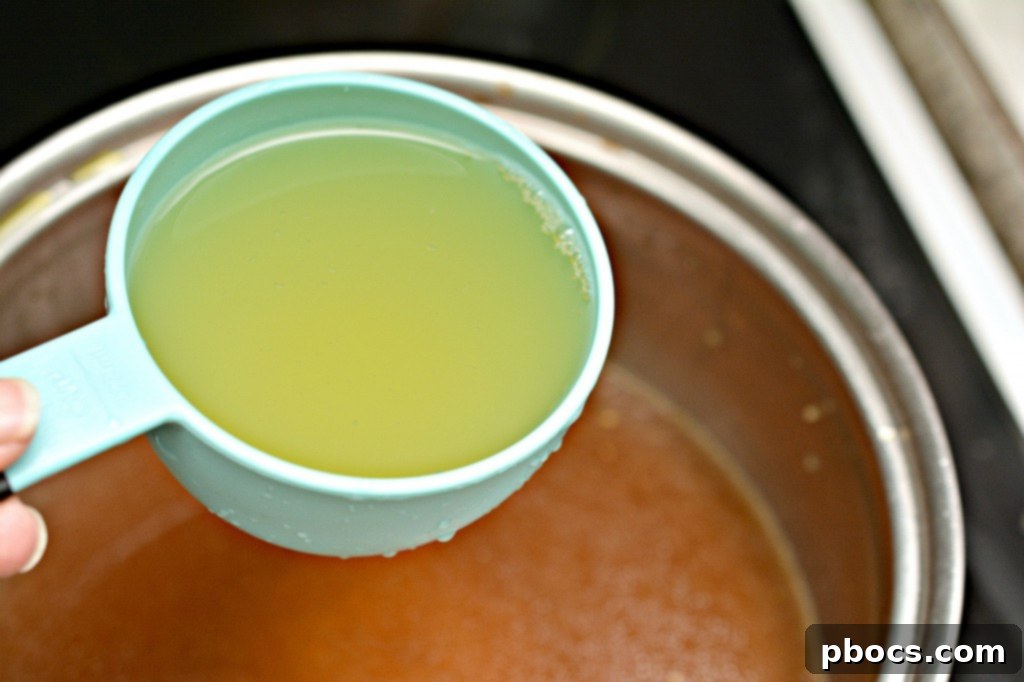
Add the garlic chili sauce, chicken broth, beef broth, and soy sauce into the skillet, and whisk to combine well.
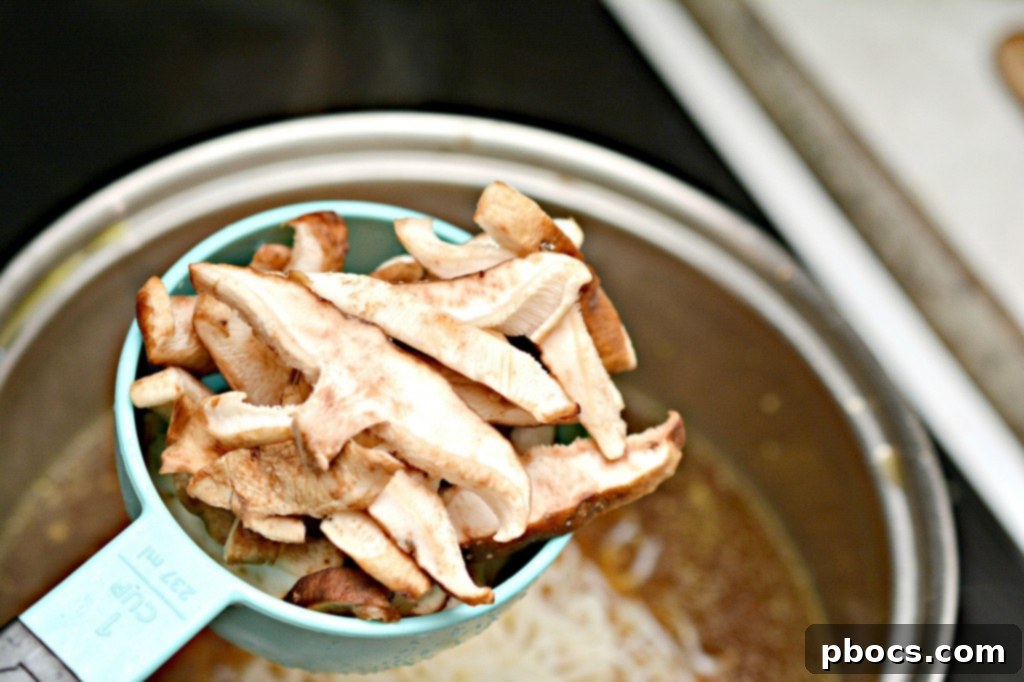
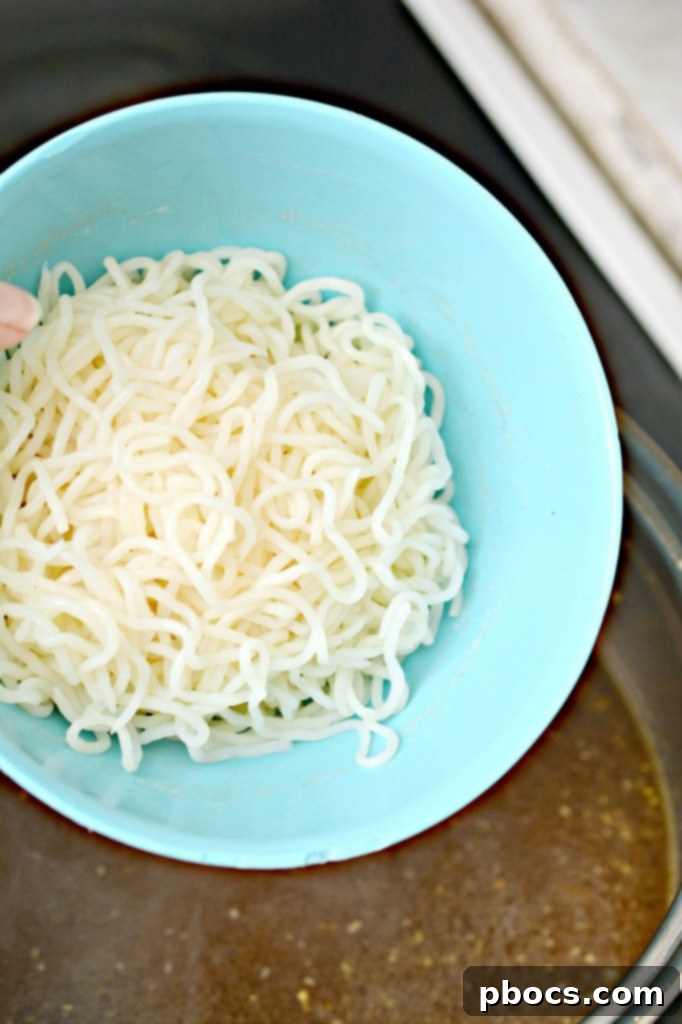
Place the drained Shirataki noodles and sliced mushrooms into the broth mixture, and lightly boil until the mushrooms become tender, about 5-7 minutes.
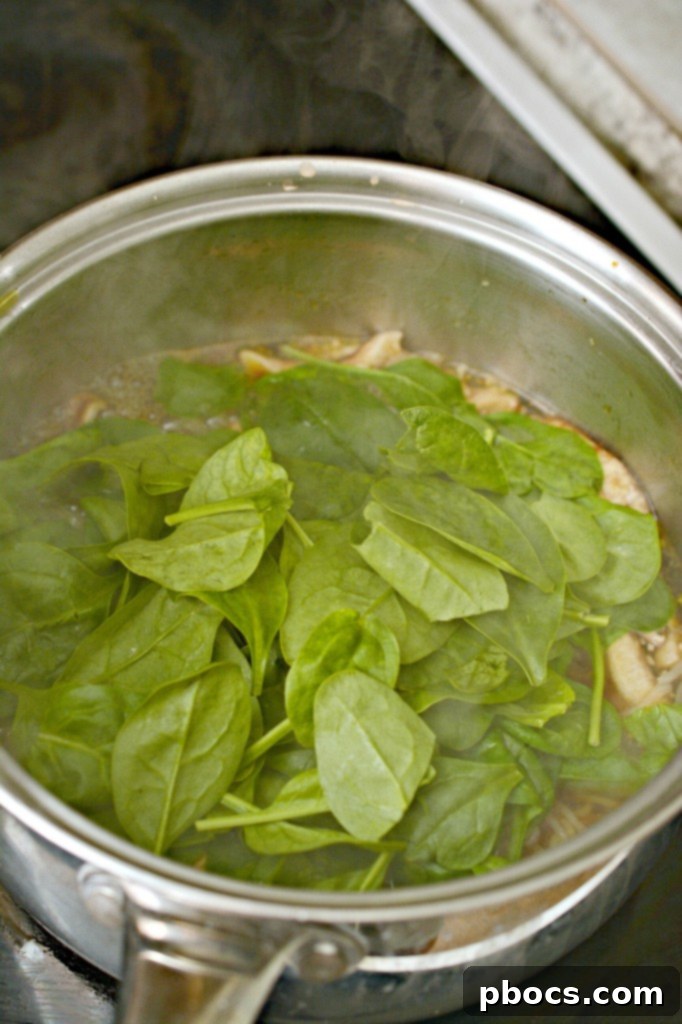
Stir the raw spinach into the pot until it is wilted, which will happen quickly, usually within 1-2 minutes.
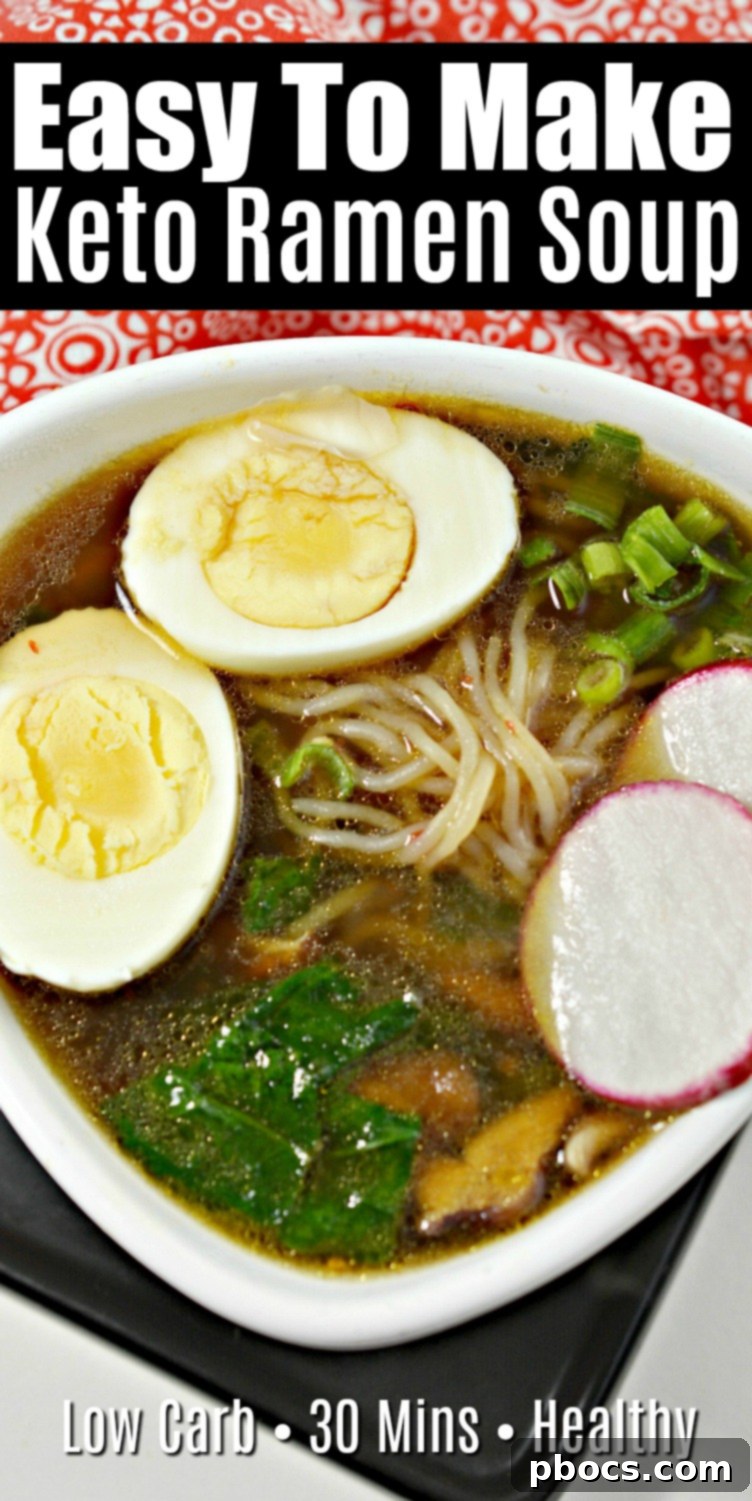
Remove the mixture from the heat. Spoon evenly into two separate bowls and garnish each serving with some shaved radishes, chopped green onions, and a hard-boiled egg, sliced in half.
Recipe Notes
Calories: Approximately 100 kcal per serving
Net Carbs: Approximately 5 Net Carbs per serving
The nutritional information for this recipe is calculated as a courtesy and is an approximation only. We cannot guarantee the accuracy of the nutritional information for any recipes on this site.
Frequently Asked Questions About Keto Ramen
- Are Shirataki noodles truly carb-free?
- Shirataki noodles are incredibly low in net carbs, often listed as 0-1 gram per serving, depending on the brand and how they’re processed. They are primarily made of glucomannan fiber, which is indigestible, meaning it doesn’t contribute to your daily net carb count.
- Can I use just one type of broth (chicken or beef)?
- While the combination of chicken and beef broth provides a more complex and rich flavor, you can certainly use just one type if preferred. Using only beef broth will result in a deeper, more robust flavor, while only chicken broth will yield a lighter taste. Adjust seasoning as needed.
- How can I make this keto ramen vegetarian or vegan?
- To make this recipe vegetarian, simply replace the chicken and beef broth with vegetable broth. For a vegan version, use vegetable broth and omit the hard-boiled eggs. You can add plant-based protein like pan-fried tofu or tempeh for a complete meal.
- What if I don’t like spicy food?
- The garlic chili sauce is what gives this ramen its kick. If you prefer a milder flavor, you can significantly reduce the amount or omit it entirely. You can also add a tiny pinch of red pepper flakes for just a hint of warmth instead.
- Can I freeze keto ramen?
- While the broth freezes well, the Shirataki noodles can become a bit rubbery or change texture after freezing and thawing. It’s best to freeze the broth on its own. When you’re ready to eat, thaw the broth, reheat it, and then add freshly prepared Shirataki noodles and other ingredients.
Quick Keto Dinners for Two: Explore More Asian-Inspired Recipes
If you enjoyed this amazingly low-carb ramen recipe, you’ll love exploring other Chinese takeout-inspired recipes that fit your keto lifestyle. These dishes are designed to be flavorful, easy, and perfectly aligned with your low-carb goals.
- Keto Cashew Chicken
- Easy Keto Cauliflower Chicken Fried Rice
Pin for later!
Follow Me on Pinterest!