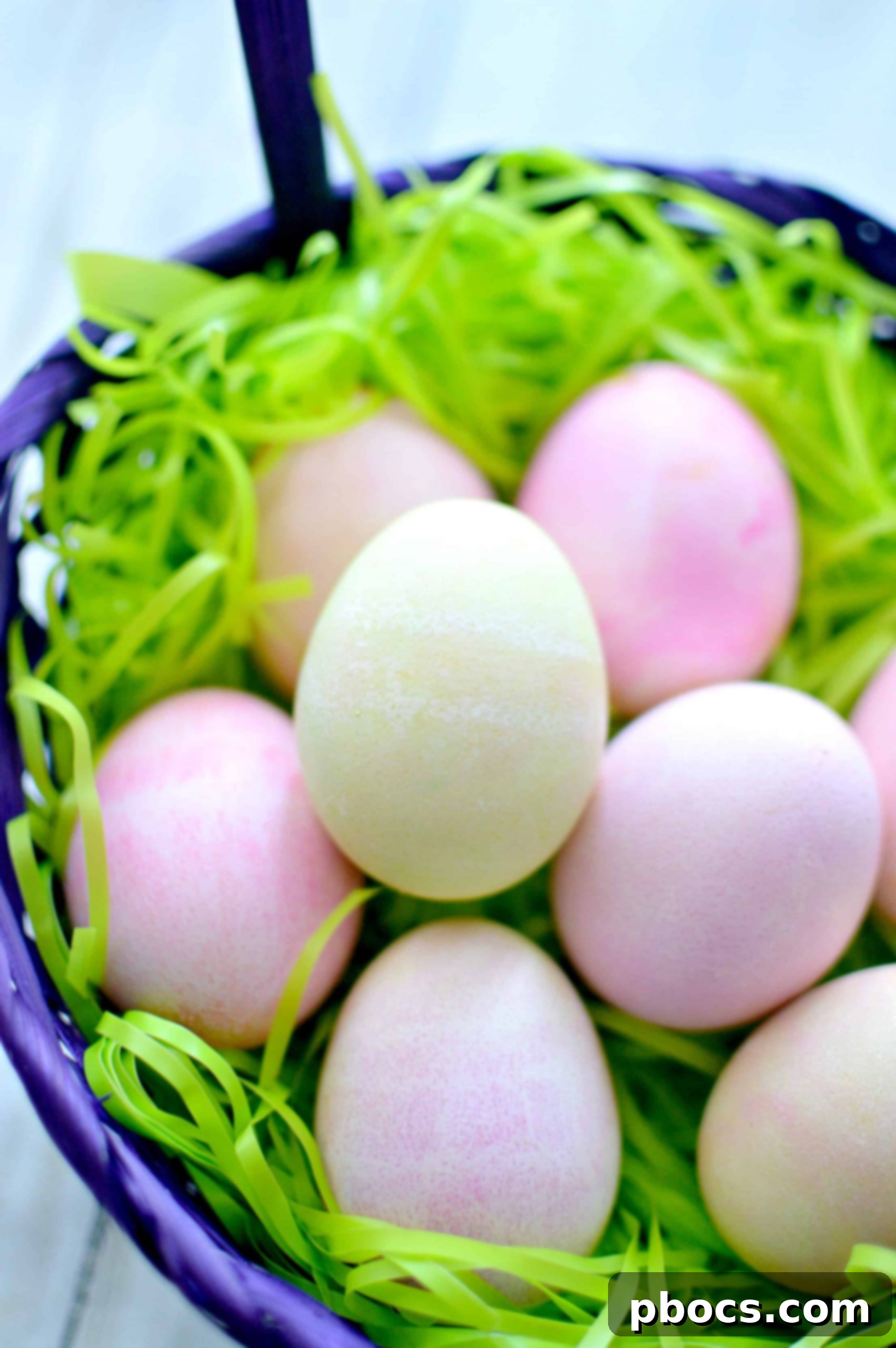
As Easter approaches, the excitement of spring crafts fills the air, especially when it involves little hands eager to create. While I might not be a stickler for neatness in every aspect of life, when it comes to crafting with my children, I confess, a part of me always seeks a touch of organized chaos. However, I’m constantly reminding myself to embrace the creative process, understanding just how vital these hands-on activities are for fostering imagination and fine motor skills in our little ones. This year, we decided to dive headfirst into a wonderfully messy and incredibly fun Easter tradition: dyeing eggs with shaving cream! Get ready to explore the simple steps to creating your own beautiful, marbled **shaving cream Easter eggs** that promise vibrant colors and unforgettable family memories.
While there’s certainly nothing wrong with the charm of a classic dip-dyed Easter egg, we were keen to try something a bit different, something that would truly let the kids express their creativity. Our chosen method using food coloring and shaving cream turned out to be an absolute hit! It’s a super fun, surprisingly simple, and remarkably inexpensive way for children to transform plain eggs into colorful masterpieces. The unique patterns achieved with this technique are simply captivating, making each egg a miniature work of art.
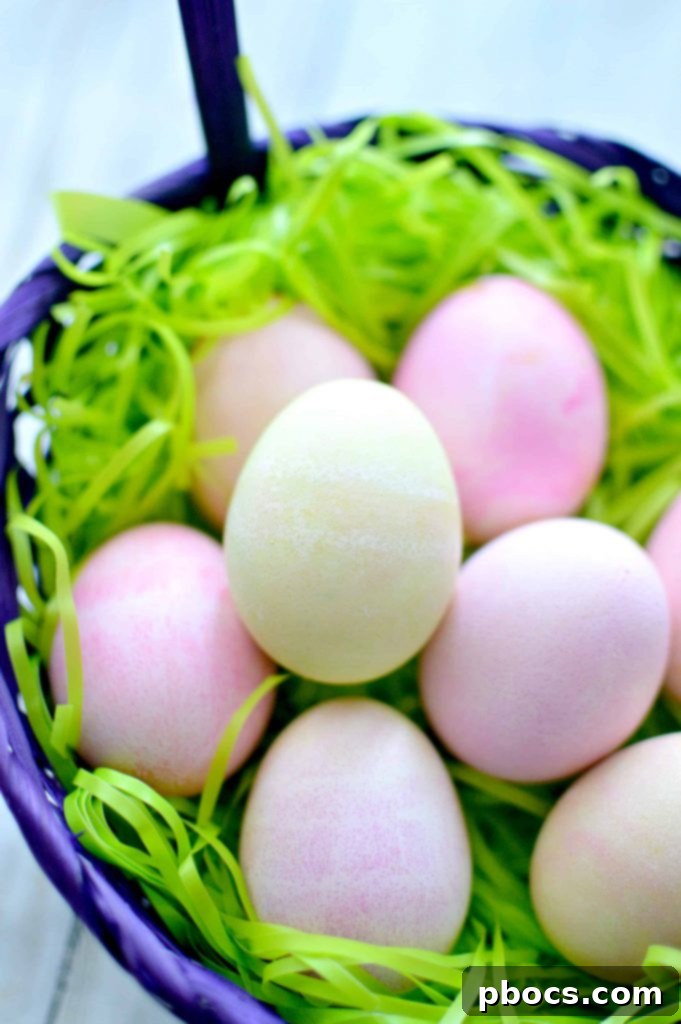
Initially, the perfectionist crafter in me envisioned perfectly symmetrical, impeccably marbled designs. But I quickly reminded myself that the real joy lies in the experience itself – in letting the kids lead the way and delight in the process. So, I set up all the supplies, stepped back, and simply watched them immerse themselves in the colorful adventure. The result? Absolutely gorgeous, unique eggs that reflect each child’s individual touch. Aren’t they simply pretty? Let’s get right into the easy-to-follow instructions on how to paint Easter eggs with shaving cream and unlock a world of colorful fun for your family!
DIY Marbled Easter Eggs: The Shaving Cream Method
Creating these stunning marbled Easter eggs is not only a fantastic way to celebrate the holiday but also an excellent sensory activity for children. The combination of textures and vibrant colors makes this craft incredibly engaging. Forget the plain, monochromatic eggs; with shaving cream, every egg becomes a canvas for abstract art. This method ensures that each finished egg is uniquely beautiful, showcasing swirls and patterns that are impossible to replicate with traditional dyeing techniques. It’s an affordable and accessible craft that promises big smiles and vibrant results, perfect for brightening up your Easter celebrations.
What You’ll Need: Ingredients & Supplies for Your Shaving Cream Easter Eggs
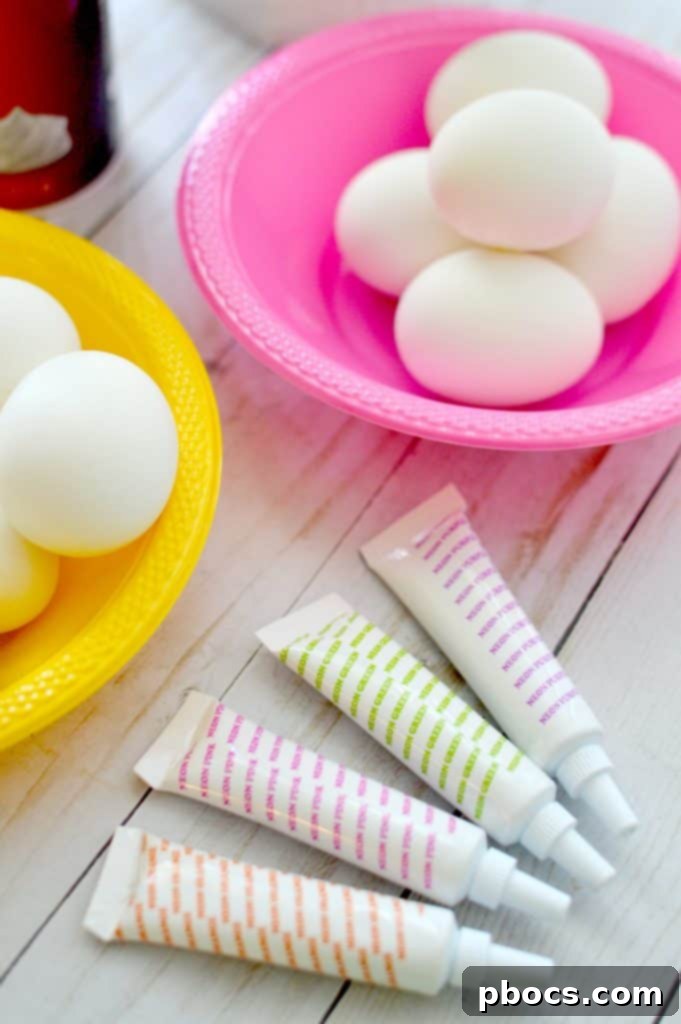
Gathering your materials is the first exciting step in any craft project. For our shaving cream Easter eggs, you’ll find that most of these items are likely already in your home, making this an incredibly convenient and budget-friendly activity. Precision isn’t paramount here; the beauty of this craft lies in its organic, free-form nature. Here’s a detailed look at what you’ll need to create your vibrant, marbled masterpieces:
- Hard-boiled Eggs: The foundation of our craft! Make sure your eggs are completely cooled after boiling. White eggs tend to show colors more vibrantly, but brown eggs can also yield lovely, muted tones. Consider boiling a dozen or more to allow for plenty of experimentation and diverse designs.
- Foam Shaving Cream: This is the star of our show! It’s crucial to use plain, white FOAM shaving cream, not the gel variety. The foam provides the perfect airy base to hold and transfer the food coloring. You’ll need a good amount, so having an extra can on hand is always a good idea.
- Food Dye: Liquid food coloring works best for this project as it disperses well through the shaving cream. Gather a rainbow of your favorite colors. Primary colors like red, blue, and yellow are excellent starting points, as they can be mixed to create secondary shades. Gel food coloring can also be used for more intense, concentrated colors, but might require a bit more swirling to blend.
- Bowl or Aluminum Tray: You’ll need a shallow container large enough to create a bed of shaving cream and roll your eggs. An aluminum foil baking pan or a large casserole dish works wonderfully for easy cleanup. The size should accommodate rolling at least one egg comfortably.
- Toothpick or Skewer: This simple tool is essential for swirling your food colors into mesmerizing patterns within the shaving cream. A wooden skewer or even a butter knife can also work, offering different widths for your marble designs.
- Optional but Recommended:
- Rubber Gloves: While food coloring isn’t permanent on skin, gloves can prevent colorful hands, especially for enthusiastic little artists.
- Paper Towels or Old Cloths: Absolutely essential for wiping off the excess shaving cream from your dyed eggs and for general cleanup.
- Newspaper or Plastic Tablecloth: Protect your work surface from any potential spills or drips.
- Drying Rack or Tray: A wire rack or even an empty egg carton lined with paper towels can serve as a perfect spot for your newly dyed eggs to dry.
With these items ready, you’re perfectly set to embark on a delightful Easter egg dyeing adventure that promises creativity, color, and a whole lot of fun!
Easy-to-Follow Instructions: How to Make Shaving Cream Marbled Easter Eggs
Now that you have all your supplies, it’s time to transform plain hard-boiled eggs into vibrant, marbled wonders. This process is incredibly straightforward, making it ideal for crafters of all ages, from toddlers to adults. Just remember that the beauty of this craft lies in its unpredictability – no two eggs will ever be exactly alike, and that’s part of the charm!
Prepare Your Eggs: Ensure your eggs are hard-boiled and completely cooled. Cold eggs are easier to handle and less likely to crack during the dyeing process. If you haven’t boiled them yet, place eggs in a single layer in a pot, cover with about an inch of cold water, bring to a rolling boil, then remove from heat, cover, and let sit for 10-12 minutes. Transfer to an ice bath for quick cooling.
Set Up Your Workstation: Cover your work surface with newspaper, an old tablecloth, or plastic sheeting. This step is crucial for easy cleanup, as food coloring can stain. Have your paper towels and gloves (if using) readily accessible.
Create Your Shaving Cream Bed: Add a generous, light layer of foam shaving cream inside your chosen bowl or aluminum tray. Spread it evenly to create a flat, smooth “canvas” for your colors. Aim for about an inch thick layer to ensure good coverage when rolling the eggs.

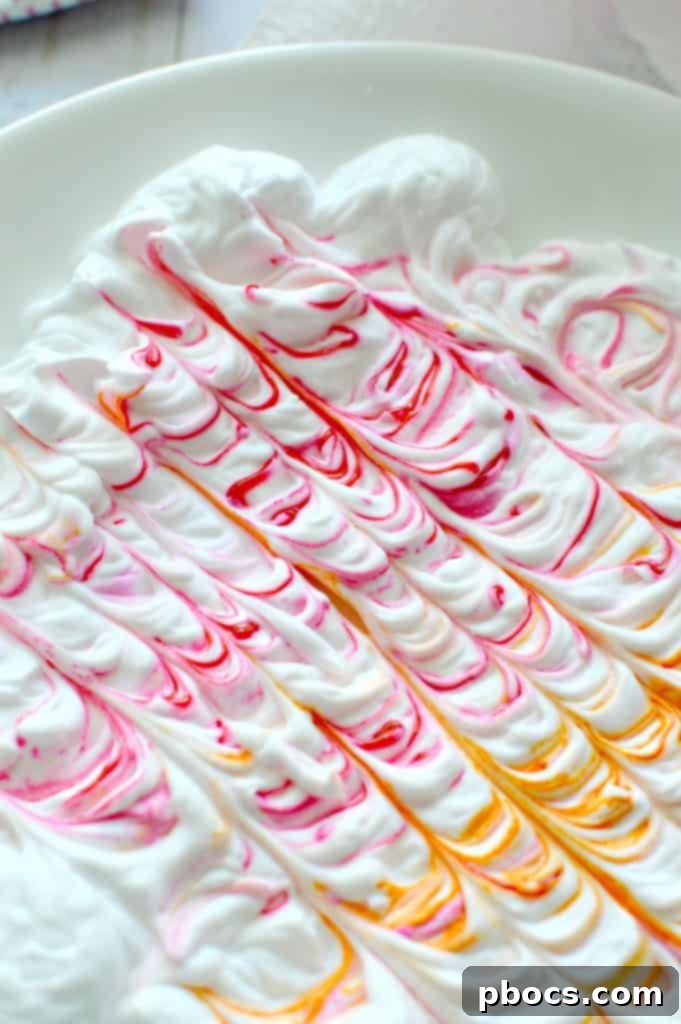
Add Your Colors: Now for the fun part! Drop various colors of food coloring randomly across the shaving cream surface. Don’t be shy with the drops, but also avoid oversaturating it. Think about color combinations – complementary colors will stand out, while analogous colors will blend more softly. For example, try blues and greens, or pinks and purples, or a vibrant mix of all primary colors for a rainbow effect.
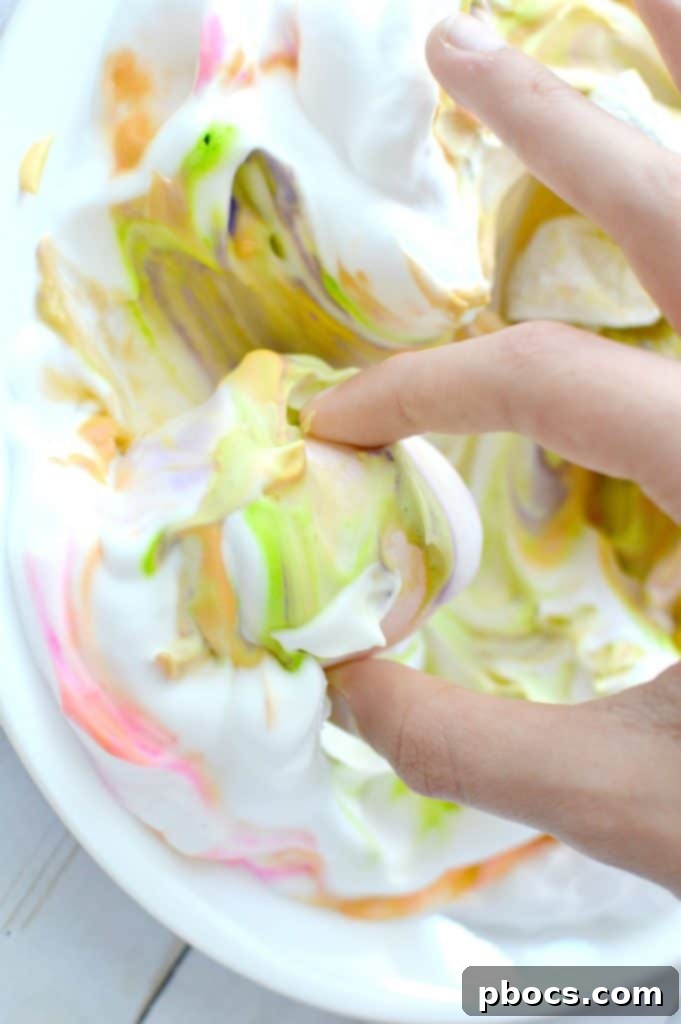
Swirl the Magic: Take your toothpick or skewer and gently run it through the drops of food coloring in the shaving cream. Swirl, zigzag, and make figure-eight patterns. The goal is to create marbling effects, not to mix the colors entirely into a muddy brown. Be delicate; less is often more to achieve distinct swirls.
Roll Your Eggs: Carefully place a hard-boiled egg onto the colored shaving cream. Gently roll the egg through the colored areas, ensuring all sides pick up the vibrant patterns. You might need to use a spoon or your gloved fingers to help guide it and ensure full coverage. The more you roll, the more intricate the pattern will become.
Let Them Rest: Once your egg is thoroughly coated with the colorful shaving cream, carefully lift it out and place it aside on a protected surface (like an empty egg carton or a tray lined with paper towels). Allow the eggs to sit and “dry” for about 10-15 minutes. This crucial waiting period allows the food coloring to properly set and absorb into the eggshell, ensuring vibrant and lasting patterns.
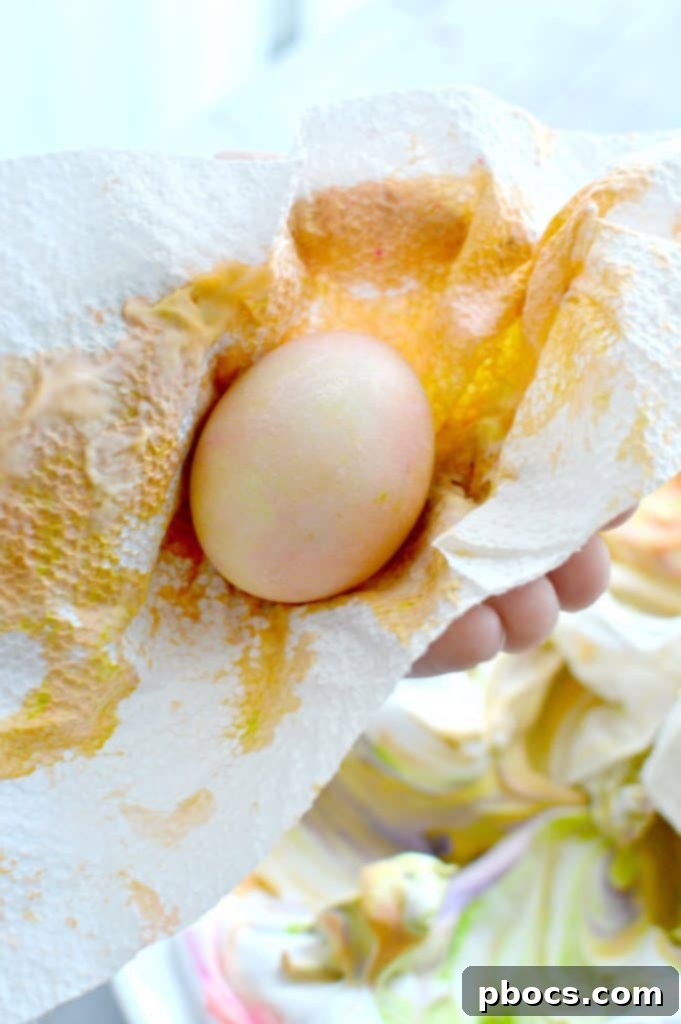
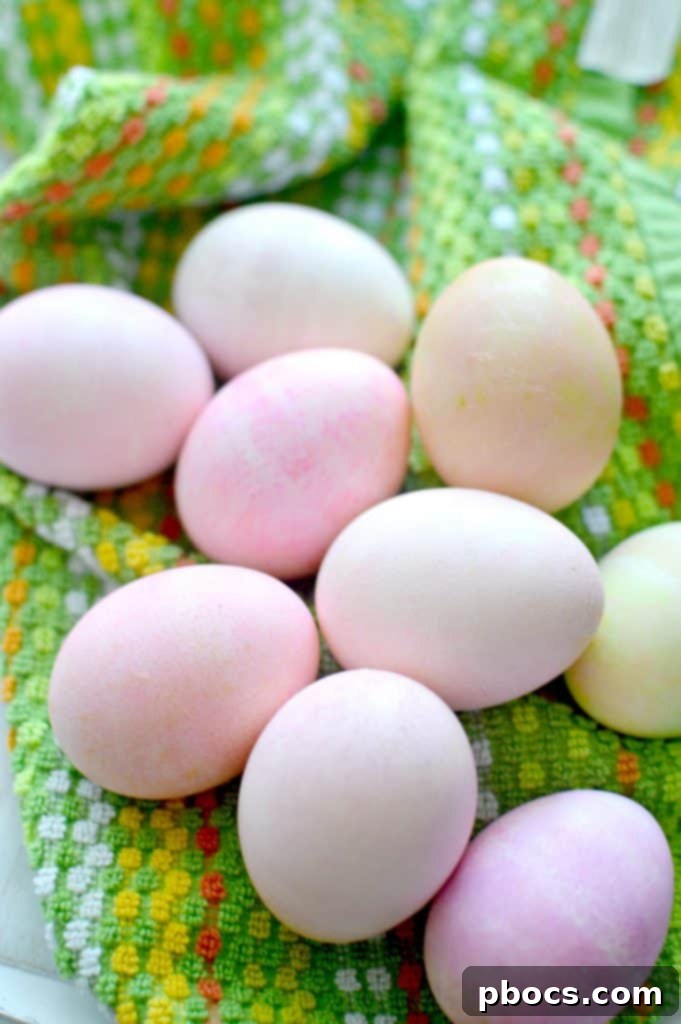
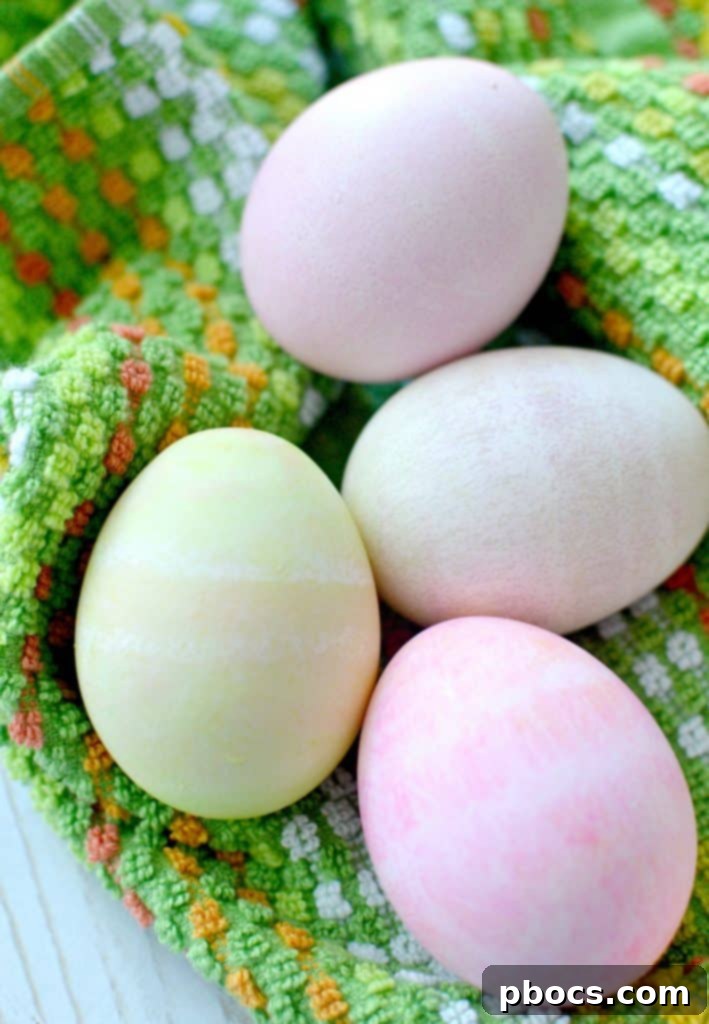
Reveal Your Masterpiece: After the resting time, gently remove the excess shaving cream from the eggs using a clean paper towel or an old cloth. Simply wipe it away. Don’t worry, the beautiful coloring won’t come off with the cream; it will be fully set, revealing a stunning, unique marbled design. Each wipe will unveil a surprise! You’ll be amazed at the intricate patterns that emerge.
Final Drying: Once wiped clean, let your finished marbled Easter eggs air dry completely for a short while before handling them too much or adding them to your Easter basket display.
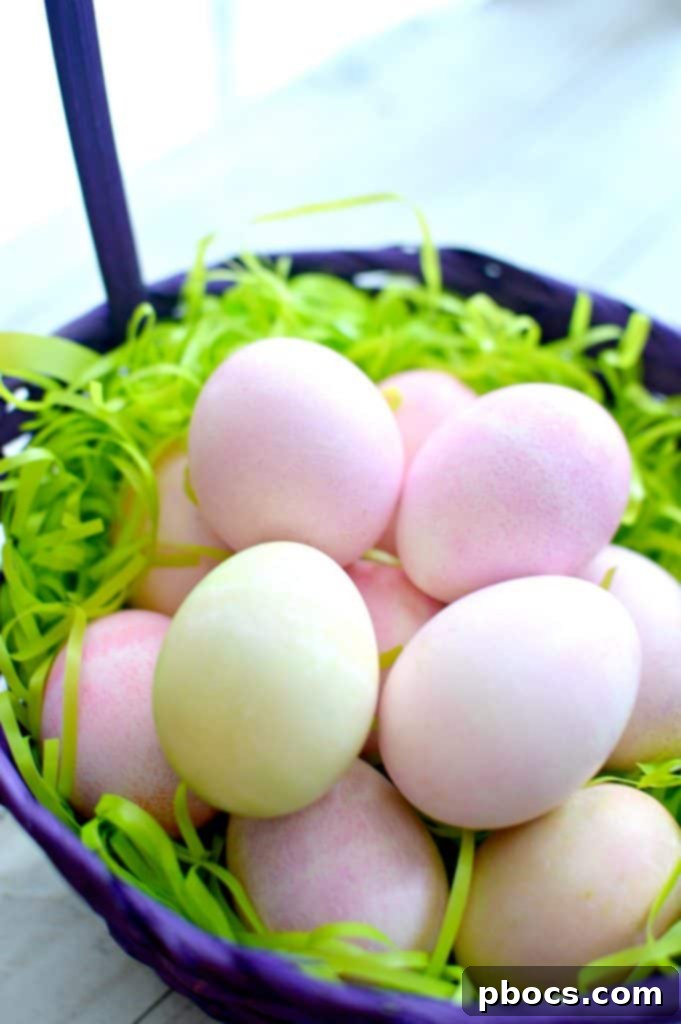
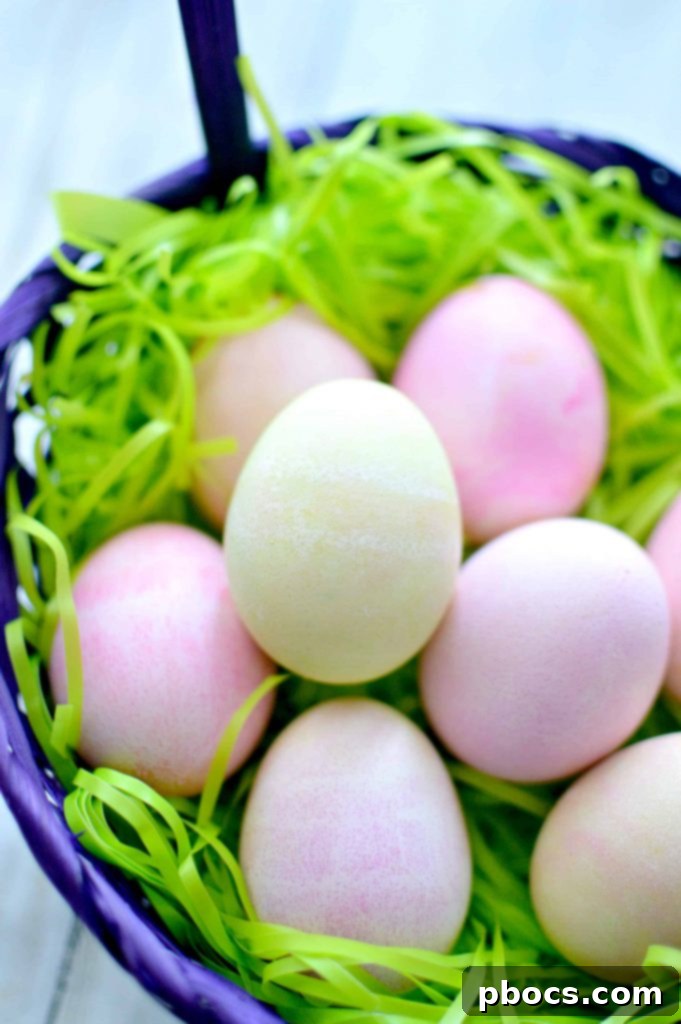
And there you have it – a simple yet incredibly rewarding way to create dazzling Easter eggs that are sure to impress! This process is not just about the final product, but about the joy and creativity shared during the making.
Tips for Success & Creative Variations
To ensure your shaving cream Easter egg dyeing experience is as smooth and successful as possible, here are some extra tips and exciting variations to try:
- White Eggs for Best Results: For the most vibrant and true-to-color results, always opt for white hard-boiled eggs. The lighter shell allows the food coloring to pop and the marbled patterns to stand out brilliantly.
- Don’t Over-Mix Colors: When swirling the food coloring in the shaving cream, avoid mixing them too thoroughly. A gentle swirl is all you need to create distinct lines and patterns. Over-mixing can lead to muddy or indistinct colors.
- Layering Colors: Experiment with layering colors. For example, drop lighter colors first, swirl lightly, then add a few drops of darker colors and swirl again. This can create deeper, more complex marbled effects.
- Gloves Are Your Friends: While food coloring is generally non-toxic, it can temporarily stain hands. Wearing rubber gloves, especially for adults, can make cleanup much easier and keep your hands pristine.
- Protect Your Surface: Seriously, use newspaper, an old shower curtain, or a plastic tablecloth. This craft can get delightfully messy, and protecting your tables and floors will save you a lot of post-crafting cleanup time.
- Making it Edible: Whipped Cream Alternative! One fantastic tip is if you intend to eat the hard-boiled eggs after decorating, you can use whipped cream (from a can or freshly whipped) instead of shaving cream. The process is exactly the same, but you’ll have edible dyed eggs! Just be sure to keep the eggs refrigerated if using whipped cream and consuming them within a day or two. This offers a safe and delicious way to enjoy your artistic creations.
- Double Dip for Deeper Colors: If you desire a more intense or darker shade, you can allow the first layer of color to dry for 10-15 minutes, wipe it clean, then re-roll the egg in a fresh, newly colored shaving cream bed. This layering technique can create incredibly rich and multi-dimensional eggs.
- Experiment with Tools: While a toothpick works great, try other tools for swirling. A skewer, a fork, or even a craft stick can create different patterns and textures in the shaving cream.
- Quick Cleanup: Have a damp cloth or paper towels nearby for any immediate spills or drips during the process. This helps keep the creative zone tidy.
The Joy of Creativity: Why This Craft Matters
Engaging in crafts like dyeing Easter eggs with shaving cream goes far beyond just creating pretty decorations. For children, it’s a powerful tool for development. This activity helps hone fine motor skills as they pick up eggs, use toothpicks to swirl colors, and carefully wipe away the cream. It encourages color recognition and experimentation, allowing them to see how different shades blend and interact. Moreover, it’s a fantastic exercise in creative problem-solving and decision-making, as they choose colors and design patterns.
Most importantly, it’s about connection and memory-making. Holiday crafts like these create lasting family traditions and cherished memories. The shared laughter, the excitement of revealing each unique egg, and the sense of accomplishment are invaluable. It’s a wonderful opportunity to step away from screens and engage in hands-on, imaginative play that fosters a bond over a shared creative endeavor. Plus, who doesn’t love a house filled with vibrant, handmade Easter decorations?
Creating these beautifully marbled Easter eggs with shaving cream is not only an incredibly fun and engaging activity for the entire family but also surprisingly cost-effective. You can easily dye about a dozen eggs for roughly five dollars, making it an accessible craft for everyone. The magic of this method lies in its simplicity and the stunning, unique results it produces every single time. Whether you choose to display these vibrant eggs in an Easter basket or enjoy them as a festive snack (if using the whipped cream method), they are sure to add an extra layer of joy and color to your holiday celebrations.
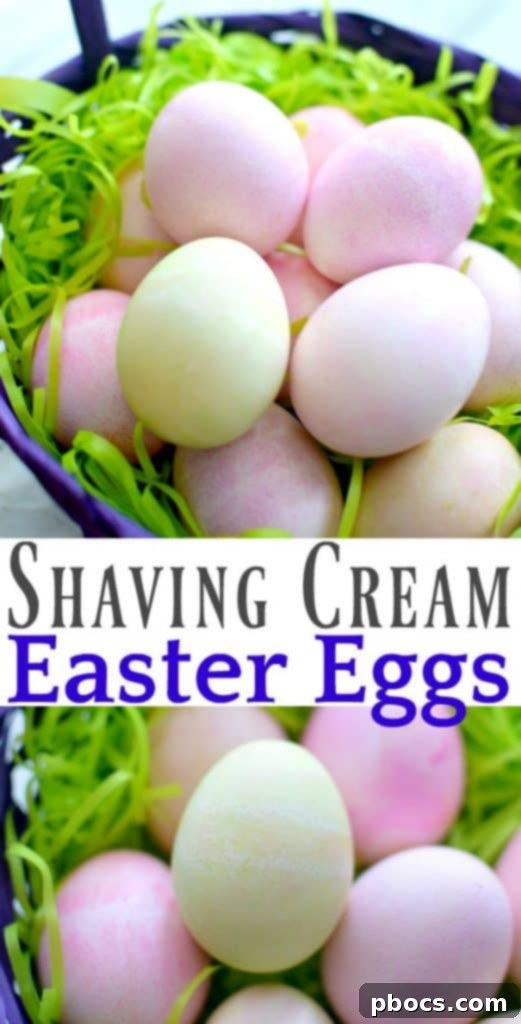
Pin for Later!
Loved this DIY project? Make sure to pin it to your favorite Easter or Kids Crafts board on Pinterest so you can easily find it again next year, or share it with friends and family looking for fun holiday activities!
More Easter Fun & Recipes You May Love:
Looking for more ways to celebrate Easter with delicious treats and engaging activities? Check out these other popular posts that are perfect for the spring season:
Easter Egg Hunt Caramel Brownie Recipe
Elevate your Easter dessert table with a decadent and fun caramel brownie recipe, perfect for a themed egg hunt treat!
Easy Easter Candy Bark Recipe
Whip up a quick and colorful Easter candy bark with white chocolate – a delightful treat that’s as easy to make as it is delicious to eat.
Adorable Peeps White Chocolate Bird Nests
Create charming and edible bird nests using white chocolate and Peeps, a perfect sweet addition to your Easter festivities that kids will adore making!