This shop has been compensated by Collective Bias, Inc. and its advertiser. All opinions are mine alone. #PottyPartners #CollectiveBias
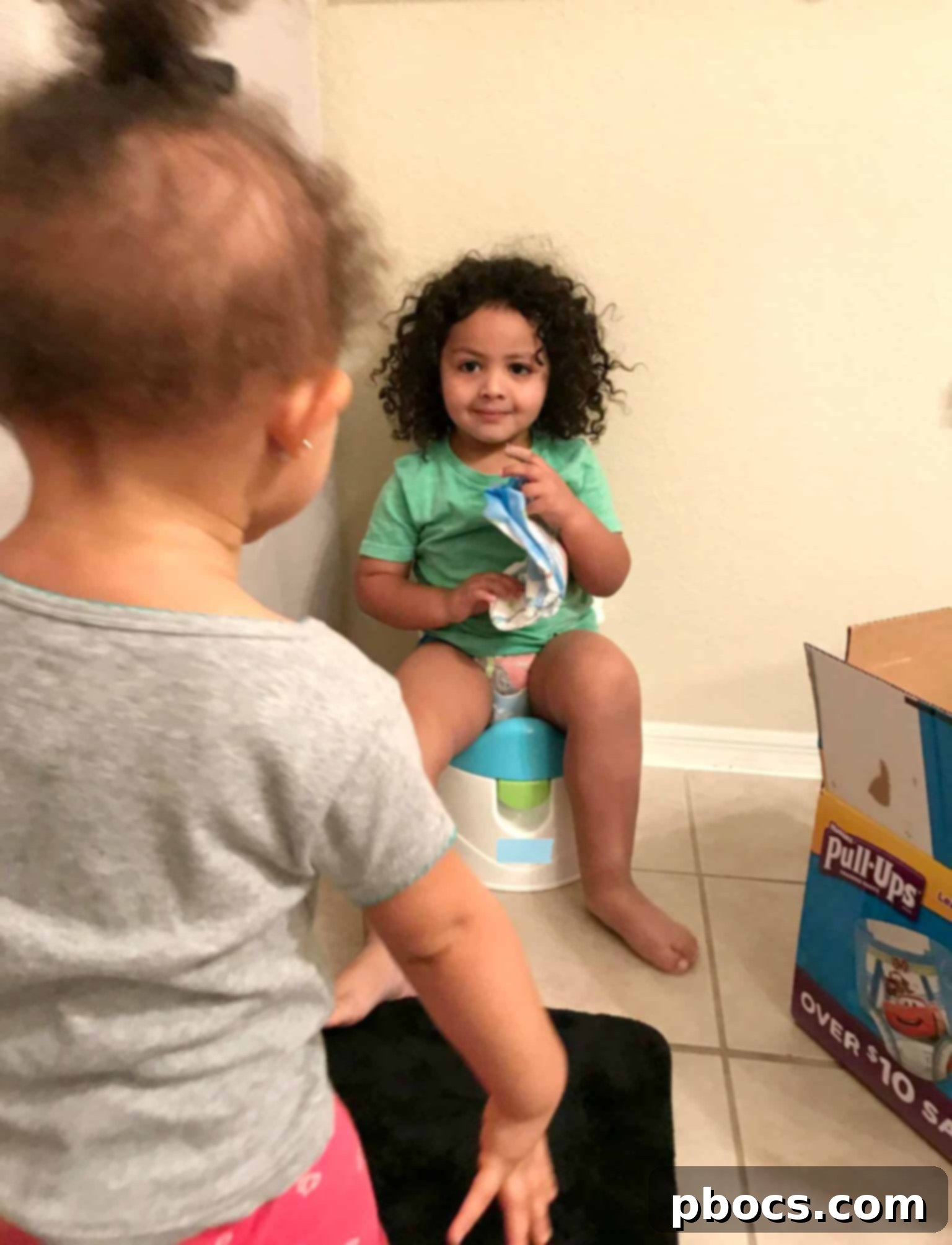
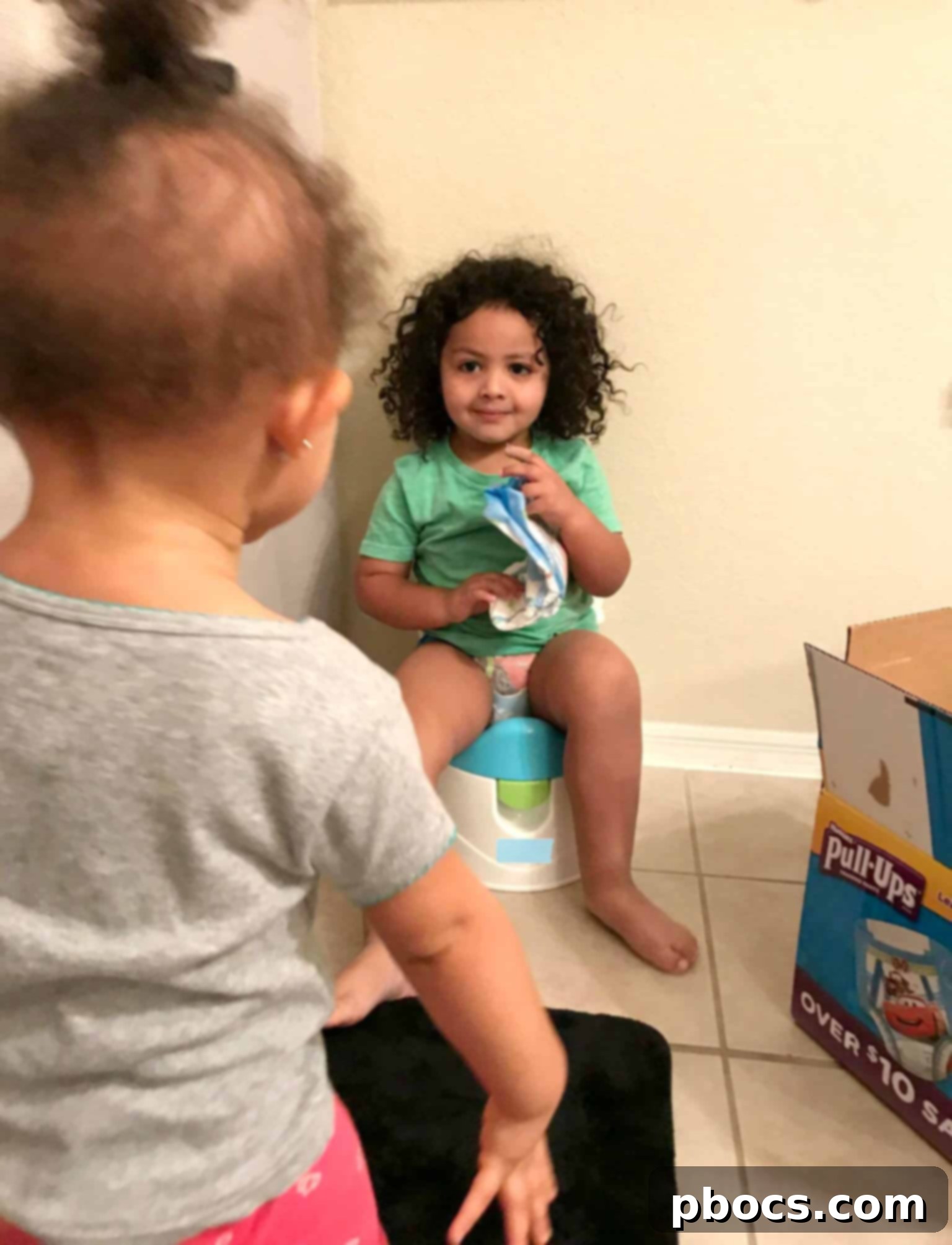
Embarking on the potty training journey is a significant milestone for any family. As a mother of six, soon to be seven, I’ve navigated this path multiple times, each child presenting their unique set of challenges and triumphs. With four boys already successfully potty trained – my eldest sailing through before age two, and my second, William, holding out until his fourth birthday with a stubborn resolve that still defines him – I thought I’d seen it all. My younger boys, Robert and Dylan, felt like a breeze after William’s determined pace. Now, I find myself on a new adventure: potty training two toddlers simultaneously, my fourteen-month-old daughter Olivia and her spirited brother Joseph. It appears Olivia might even beat Joseph to the punch, much like my firstborn, while Joseph seems to be mirroring William’s more deliberate approach. Potty training two children at once can feel like a daunting task, but with the right strategies, a generous dose of patience, and a few essential tools, it’s entirely achievable. In this comprehensive guide, I’ll share my tried-and-true tips for making dual potty training a smoother, more enjoyable experience for everyone involved.
Mastering Simultaneous Potty Training: A Comprehensive Guide
Potty training is rarely an overnight success story, and when you’re guiding two little ones through it at the same time, the process can seem doubly challenging. However, with thoughtful preparation and a positive attitude, you can transform it into a rewarding experience. The key lies in understanding each child’s readiness, tailoring your approach, and maintaining consistency. Let’s dive into some practical strategies to help your toddlers embrace this exciting new stage of independence.
1. Embrace the Power of Imitation: Leading by Example
Children are natural mimics, and this innate tendency is a powerful asset in potty training. One of the simplest yet most effective first steps is to allow your children to observe you (or an older sibling of the same gender) using the toilet. For girls, a mother or an older sister can demonstrate; for boys, a father or older brother. This demystifies the process, making it seem normal and achievable. When your toddlers see you confidently using the toilet, they begin to understand what it’s for and how it works.
- Make it a Routine: Take your child with you to the bathroom periodically throughout the day. Narrate what you’re doing in simple terms. “Mommy is going to the potty now.”
- Role-Playing with Dolls or Toys: Extend the imitation to playtime. Have dolls or action figures “use” a toy potty. This allows your child to practice the motions in a low-pressure, playful environment. Olivia, for instance, has truly benefited from practicing with her favorite doll, demonstrating her careful and detailed personality.
- Positive Reinforcement: When they imitate, offer praise. “Great job sitting on the potty like Mommy!” This reinforces the behavior and makes them feel proud.
This early exposure helps normalize the toilet and reduces any potential fear or anxiety, setting a positive foundation for their own potty training journey.
2. Make Potty Training Fun and Tailored to Their Personalities
Every child is unique, and recognizing their individual personality type can significantly impact the success of potty training. What motivates one child might deter another. Resources like The Potty Partnership offer fantastic insights into different personality types, assigning them adorable animal identifiers to help parents tailor their approach. Understanding these nuances is crucial, especially when you’re guiding two distinct personalities through the process simultaneously.
- The “Owl” (Detail-Oriented & Careful): Children like Olivia, who embody the meticulous ‘Owl’ personality, thrive on routine, clear instructions, and understanding the ‘how’ and ‘why.’ For Olivia, having her doll practice sitting on the potty before her helps her process the steps. They appreciate preparation and often follow directions well. Stickers for successful attempts, or a detailed step-by-step chart, can be very effective.
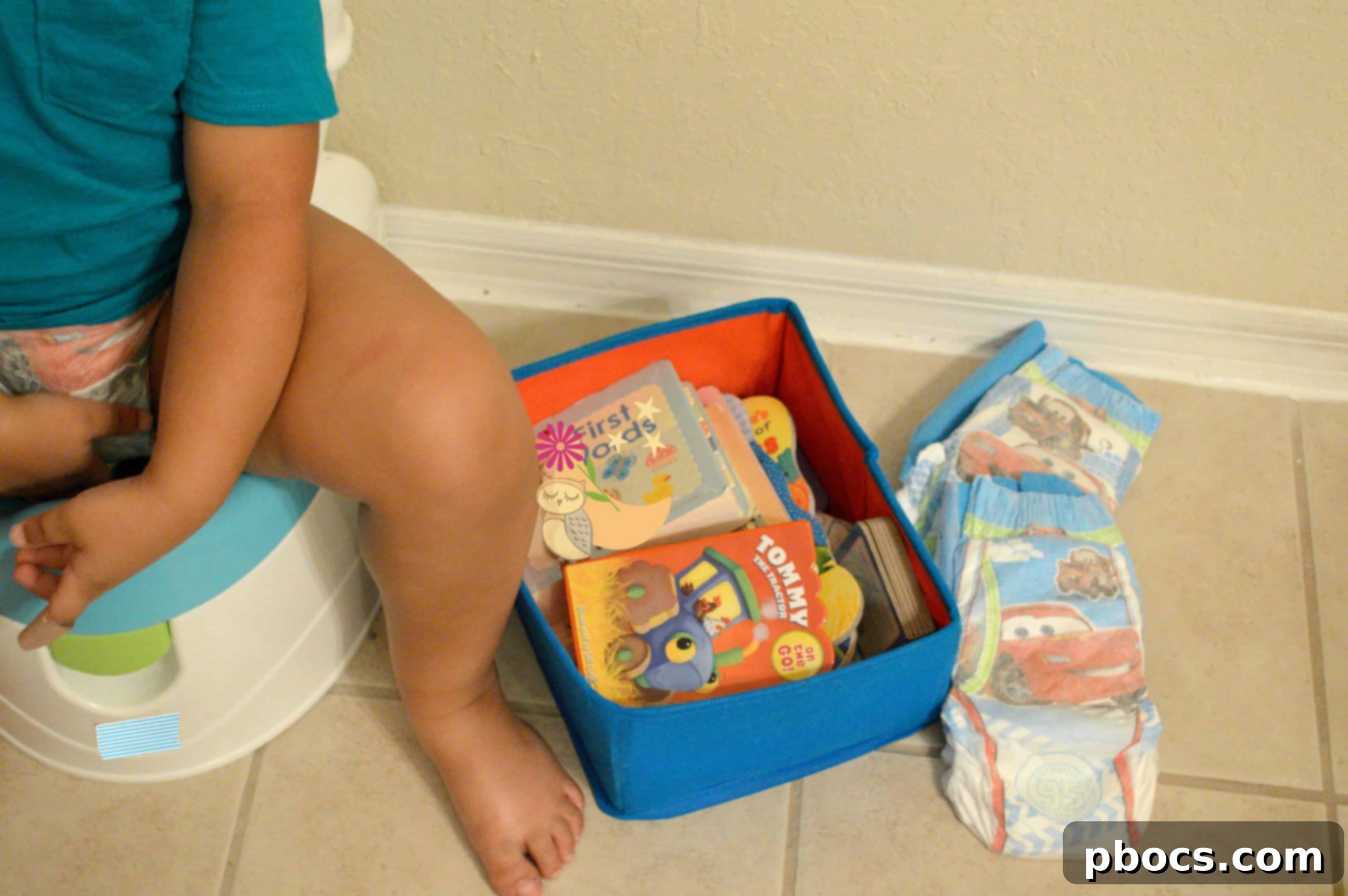
- The “Squirrel” (Energetic & Driven): Joseph, our ‘Squirrel,’ is full of energy and easily distracted. For children with this vibrant personality, keeping them engaged is key. We keep a selection of his favorite books near the potty to help him focus during his attempts. Incorporating music they both enjoy, singing songs, or even playing a quick game on a parent’s phone can turn a potentially dull wait into an enjoyable moment. The goal is to make the potty area an inviting space where they feel comfortable and entertained.
- Other Personality Types: While not currently our focus, it’s worth noting others like the ‘Bear’ (easy-going, may need gentle nudges), ‘Turtle’ (hesitant, needs patience and no pressure), and ‘Puppy’ (eager to please, responds well to praise). Adapting your strategies to these temperaments ensures a more positive and effective experience.
Making potty training fun can involve sticker charts, small non-food rewards, special potty songs, or even reading fun books about potty training. Celebrate every small success – whether it’s just sitting on the potty or a successful “go” – with genuine enthusiasm. This positive reinforcement builds their confidence and encourages them to continue trying.
3. Leverage the Benefits of Training Pants: Pull-Ups® Learning Designs®
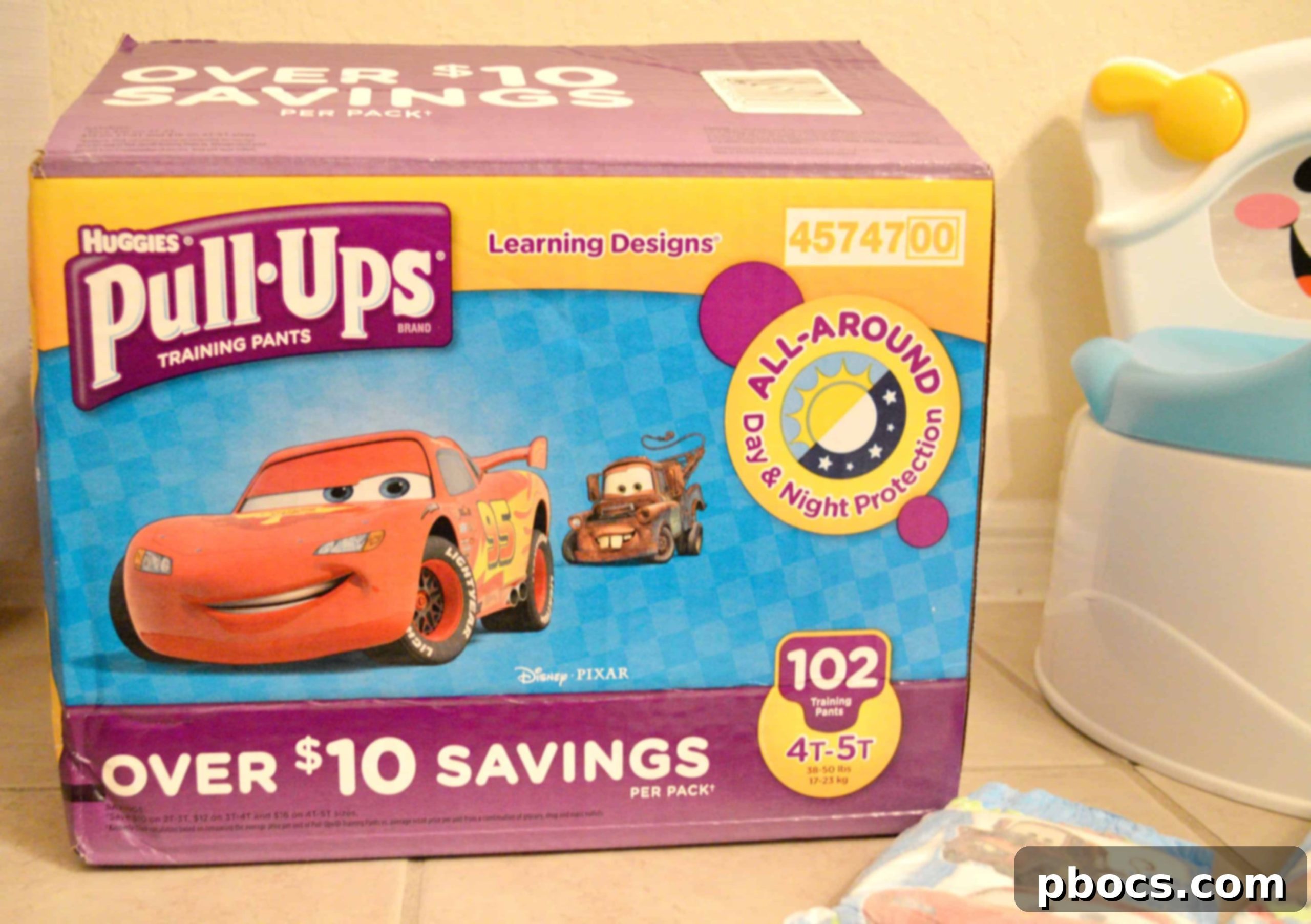
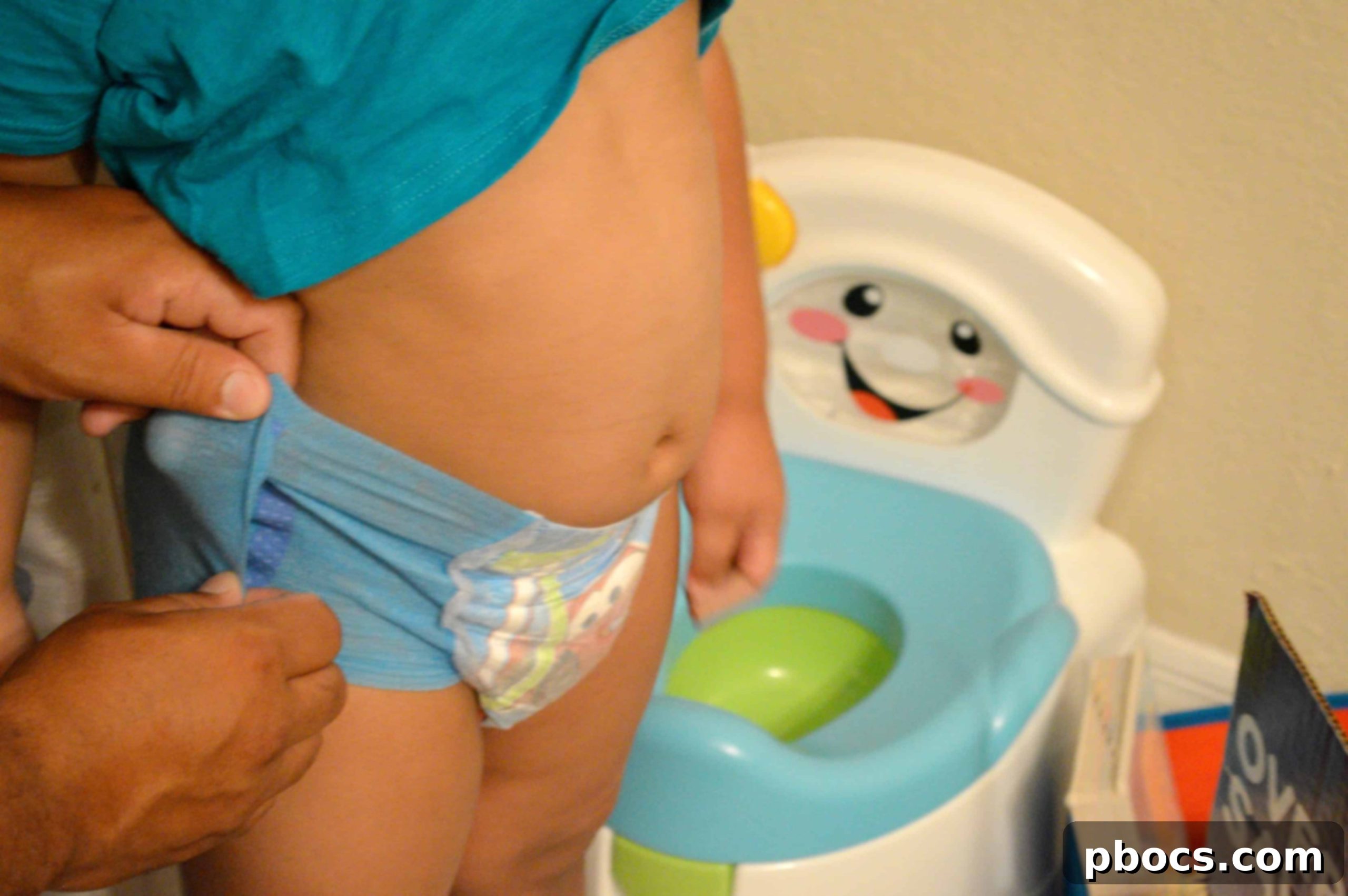
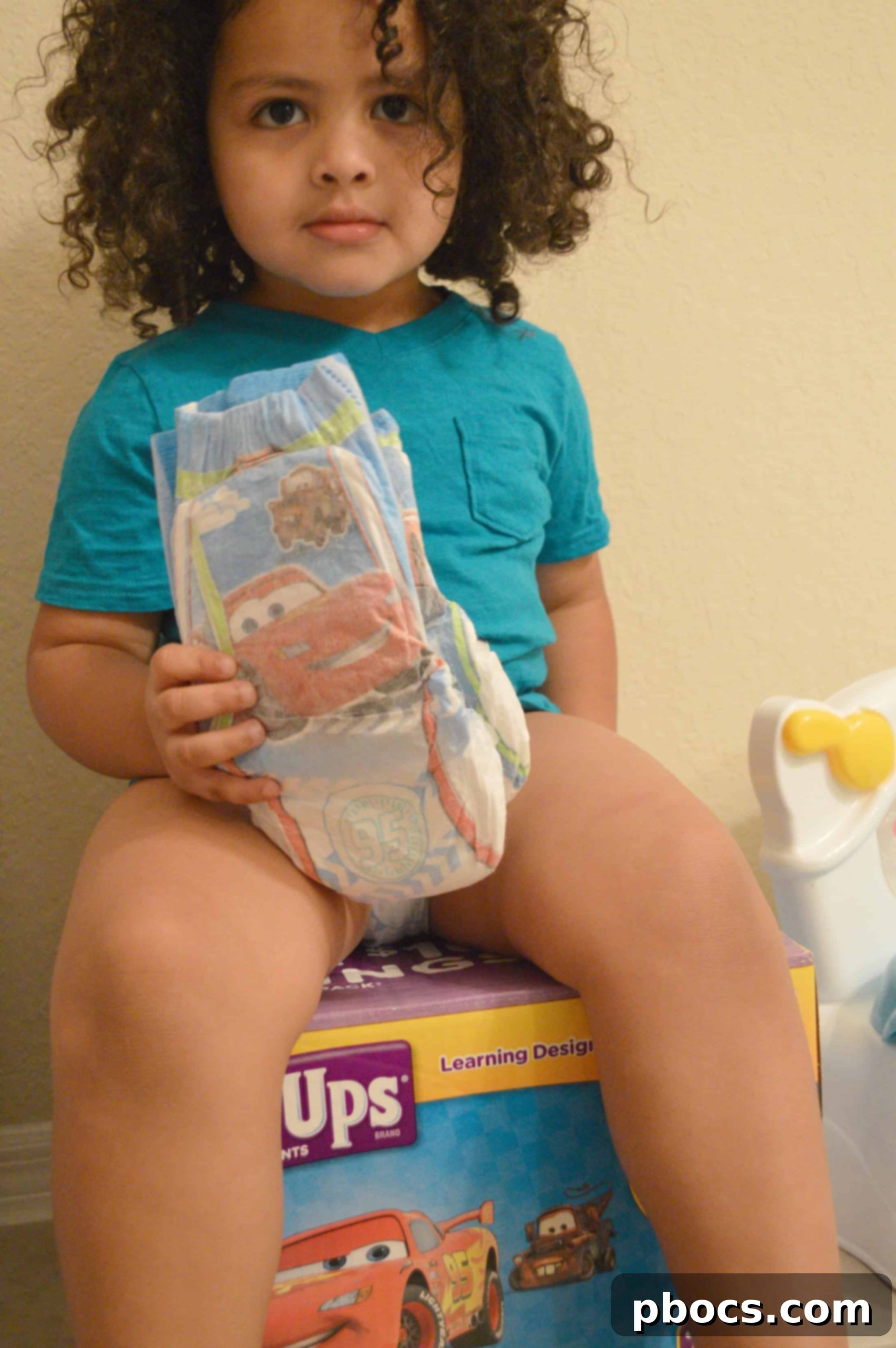
Training pants, especially Pull-Ups® Learning Designs® Training Pants, can be an absolute game-changer in the potty training process, offering a crucial bridge between diapers and underwear. Reflecting on my journey with my older children, I often wish I had utilized them sooner, as they truly accelerate the learning curve. These aren’t just absorbent garments; they are specially designed tools that foster independence and help children recognize their body’s signals.
- Underwear-Like Design: The comfort and feel of Pull-Ups® mimic real underwear, providing a psychological shift for toddlers. This design encourages them to feel like “big kids,” promoting a sense of pride and ownership over their potty training journey.
- Promotes Independence: Pull-Ups® are designed for easy up and down, allowing toddlers to practice pulling them on and off by themselves. This simple act is a significant step towards self-sufficiency and reinforces the idea that they are in control of their bodies and their potty training.
- Wetness Indicator: A truly ingenious feature is the fading design when wet. This visual cue helps children understand the consequence of not using the potty. When their favorite character design disappears, it provides immediate feedback, reinforcing the connection between going to the bathroom and keeping their pants dry. This gentle, non-verbal communication is often more effective than constant verbal reminders.
- Easy Open Sides: For parents, the easy-open sides are a lifesaver. They allow for quick and hassle-free changes when accidents inevitably happen, minimizing stress and mess. This practicality ensures that setbacks are managed efficiently, keeping the focus on learning rather than frustration.
We consistently stock up on Pull-Ups® at Sam’s Club. The convenience of buying in bulk while also picking up other household essentials is unparalleled, making it easier to keep these vital training tools on hand. Trusted by parents and adored by kids, Pull-Ups® Learning Designs® Training Pants are an indispensable part of a successful and less stressful potty training experience for both children and caregivers.
4. Strategic Potty Chair Placement: Two is Better Than One
When you’re potty training two children simultaneously, having multiple potty chairs isn’t just a luxury; it’s a strategic advantage. I highly recommend acquiring at least two dedicated potty chairs for your home. This approach addresses several practical and psychological needs for both toddlers.
- Accessibility and Familiarity: Place one potty chair in the main bathroom, where it serves as a natural extension of the family’s routine. The second potty chair can be placed in a high-traffic area where your children spend a lot of time, such as a playroom or living room. This familiarizes them with the potty in a relaxed, non-intimidating environment. Olivia, for example, quickly learned to sit on her potty in the playroom by only ten months old, simply because it was readily available and part of her play space.
- Reduces Competition and Waiting: With two children learning, the urge to go can strike simultaneously. Having two potties prevents potential arguments or, more importantly, accidents that can happen when one child has to wait for the other. It also reduces the pressure, as each child has their own dedicated space.
- Encourages Spontaneity: The closer a potty is to a child when the urge arises, the higher the chance of success. Quick access is paramount for toddlers who are just learning to recognize and respond to their body’s signals.
- Gradual Transition: For some children, the large adult toilet can be intimidating. A small, child-sized potty chair feels safer and more comfortable, allowing them to plant their feet firmly on the ground, which aids in pushing. As they gain confidence, you can gradually transition them to a toilet seat insert on the adult toilet.
By making potty chairs an integral and accessible part of your home environment, you create more opportunities for successful attempts and foster a sense of readiness and comfort for your dual trainees.
5. Establish a Consistent Potty Training Routine for Both Children
Consistency and routine are the cornerstones of successful potty training, especially when you’re working with two children at once. Young children thrive on predictability, and integrating potty breaks into their daily schedule helps them internalize the process and build crucial body awareness. The beautiful thing about training two at once is that sibling influence often works in your favor – if one goes, the other often wants to follow suit.
- Scheduled Potty Breaks: Implement regular, frequent potty breaks throughout the day, whether they feel the urge or not. The goal is to make sitting on the potty a natural and expected part of their routine.
- Morning Ritual: Immediately after waking up, have both children sit on their potties for a few minutes. Their bladders are often full after a night’s sleep.
- After Meals/Snacks: Schedule a potty break about 20-30 minutes after each meal or substantial drink. Digestion stimulates bowel movements, making these prime opportunities for success.
- Before Naps and Bedtime: Always have them try to go before nap time and bedtime to minimize accidents.
- After Naps: Just like waking in the morning, their bladders will likely be full after a nap.
- Before Leaving the House: A quick potty stop before any outing can prevent accidents while you’re away from home.
- The Power of Repetition: Even if they don’t produce anything during every attempt, the act of sitting on the potty consistently is vital. It builds muscle memory, helps them understand the physical sensation of needing to go, and eventually, they will automatically walk over to the potty when the urge strikes.
- Peer Motivation: Harness the power of sibling rivalry or camaraderie. If one child successfully uses the potty, praise them enthusiastically, and the other might be more motivated to try. Turn it into a shared accomplishment.
- Handle Accidents Calmly: Despite the best routine, accidents will happen. When they do, react calmly and without scolding. Simply clean up, explain gently that “pee (or poop) goes in the potty,” and guide them back to the routine. Shaming can create anxiety and set back progress.
By maintaining a predictable and positive routine, you are not only teaching them to use the potty but also instilling valuable habits of self-care and body awareness that will serve them well beyond this milestone.
Patience, Persistence, and Celebration: The Keys to Potty Training Success
Potty training, especially for two children, is a marathon, not a sprint. There will be days of triumph and days of setbacks. Remember that every child progresses at their own pace, and while these tips provide a solid framework, flexibility and understanding are equally important. Celebrate every small victory – a dry pull-up, a successful sit, a tiny drop in the potty – with genuine enthusiasm. Positive reinforcement is a powerful motivator.
Your encouragement and unwavering patience will be the greatest tools in your potty training arsenal. Trust in your children’s ability to learn and trust in your ability to guide them through this exciting journey toward greater independence. By combining consistent routines, personalized approaches, the right tools, and a joyful outlook, you can navigate the path of simultaneous potty training with confidence and ultimately, success.

Ready to stock up on your potty training essentials? Click here to order Pull-Ups® Learning Designs® Training Pants from Sam’s Club, where you can enjoy the convenience of free shipping, free pick-up, and Membership cash back!