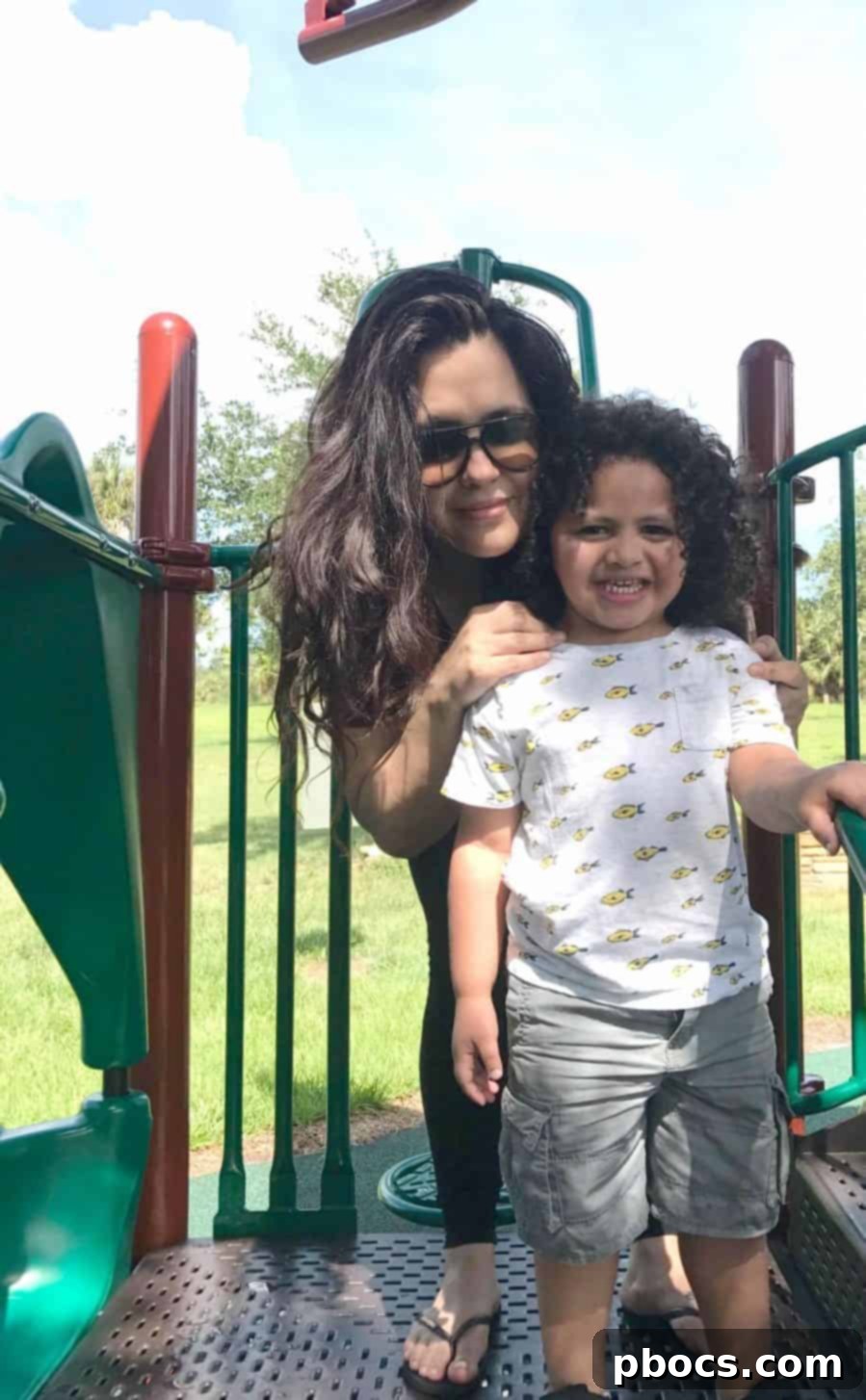
This post is sponsored by Everywhere Agency on behalf of Primrose Schools; however, all thoughts and opinions expressed are my own.
Nurturing Tomorrow’s Leaders: Essential Skills Developed Through Playtime at Home
Raising a large family, especially with children close in age, presents a unique set of joys and challenges. It undeniably demands a profound well of patience, consistent guidance, and a mindful approach to daily life. As a parent, my philosophy isn’t about rigid control – I don’t micromanage every bite they eat or insist on instant tidiness after every single play session. Instead, I’ve learned the invaluable lesson of ‘not sweating the small stuff.’ This isn’t just for my own peace of mind, though that’s certainly a bonus. More crucially, my focus is on equipping my children with a robust foundation of critical executive function skills – such as problem-solving, self-control, and adaptability – right from their earliest years, while they’re still exploring and learning within the comforting environment of our home. These are the very same foundational skills emphasized and expertly taught at esteemed institutions like Primrose Schools.
The journey of fostering these vital capabilities often means I must intentionally slow down, allowing ample time for my children to complete tasks at their own pace and gently encouraging them to persevere through challenges. The outcomes, I’ve found, are incredibly rewarding. This approach requires conscious effort, particularly for me as someone who works from home and often feels the pressure to rush through tasks to meet deadlines. This hurried pace is precisely the antithesis of what toddlers and young children need to develop independence and a sense of accomplishment. In those moments of internal conflict, I remind myself that the investment of time and patience today will yield significant benefits for both my children and me in the long run, shaping them into confident and capable individuals.
Laying the Foundation: Why Executive Function Skills Matter for Young Children
Executive function skills are a sophisticated set of cognitive processes that act as the brain’s “air traffic control” system. They enable us to plan, focus attention, remember instructions, manage multiple tasks simultaneously, and regulate our behavior and emotions. For young children, developing strong executive function skills is not just beneficial; it’s absolutely crucial for their success in school, their social interactions, and their overall emotional well-being. These skills lay the groundwork for everything from following classroom rules and completing homework to resolving conflicts with friends and adapting to new environments. Children with well-developed executive functions are better equipped to approach challenges with resilience, think critically, and navigate the complexities of a rapidly changing world. Without these core abilities, children may struggle with impulse control, initiating tasks, organizing their thoughts, and effectively solving problems, which can lead to frustration and hinder their holistic development.
Primrose Schools understands the profound impact these foundational skills have on a child’s future trajectory. Their unique Balanced Learning® approach intentionally weaves the development of executive function skills into every aspect of their curriculum. This ensures that children are not merely absorbing academic facts but are also learning *how* to learn effectively, *how* to think critically, and *how* to manage themselves proactively. Parents can powerfully reinforce this intentionality at home, transforming everyday playtime and routine interactions into rich opportunities for skill development. The encouraging truth about executive function skills is that they are not fixed; they are malleable and can be taught, practiced, and strengthened over time, thereby providing children with a lifelong advantage.
Cultivating Core Skills Through Everyday Playtime
Play is unequivocally more than just a source of amusement for children; it is their most natural and potent pathway to learning and development. Through engaging and imaginative activities, parents possess a remarkable ability to subtly yet effectively instill crucial executive function skills. Here are some enjoyable, practical, and highly effective ways to integrate these invaluable lessons into your family’s daily routine, drawing inspiration from the expert insights and proven methodologies championed by Primrose Schools.
Nurturing Emotional Intelligence and Self-Regulation
One of the earliest and most vital lessons we can impart to our children revolves around courtesy, gratitude, and self-control. In our home, we’ve introduced a playful little song for those moments when “please” or “thank you” might momentarily slip a little one’s mind: “Please and thank you goes a long way, so what do you say?” This simple, catchy jingle serves as a gentle yet effective reminder to use polite language, making the learning process fun and memorable. It’s about celebrating the consistent use of these polite words with the same enthusiasm we show for their first “mama” or “dada,” reinforcing their significance. Additionally, consciously encouraging children to wait their turn patiently, whether it’s for a favored toy, a shared snack, or a moment of undivided attention, lays essential groundwork for developing self-regulation, empathy, and respect for others.
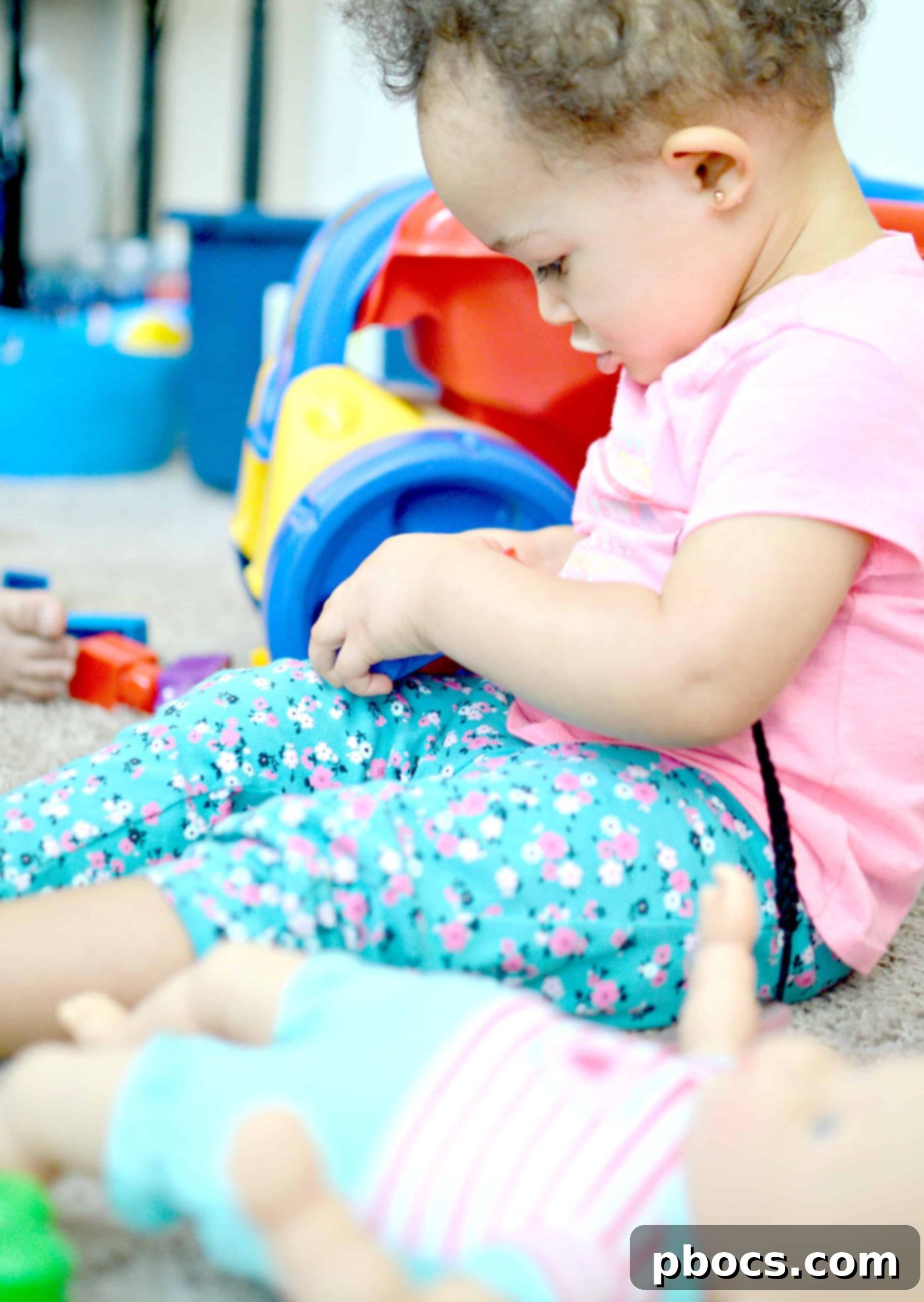
A particularly fantastic and effective activity to help children build their self-control is the classic “freeze dance.” This engaging game, a brilliant trick I recently adopted from Primrose Schools’ treasure trove of creative ideas for executive function skills, involves dancing freely and expressively to music, then freezing instantly and holding perfectly still the moment the music stops. It’s a playful yet powerful exercise in inhibiting impulses, requiring them to override their natural desire to keep moving. The true genius of Primrose’s tips lies in their practicality and accessibility; they are easy enough for even very young children to grasp and can significantly help mitigate common childhood challenges like sibling squabbles, frustrating pre-bedtime outbursts, or dramatic meltdowns stemming from not getting their way. All children, at some point in their development, navigate struggles with self-control, and activities like freeze dance provide a safe, fun, and low-stakes environment to practice and strengthen this vital skill. For a deeper dive into practical strategies and activities specifically designed to enhance self-control in children, you can find more insightful resources here.
Fostering Teamwork and Collaborative Thinking
Teamwork is an absolutely indispensable cornerstone skill, crucial at every single stage of life, from the collaborative environment of a preschool classroom to the dynamic demands of the adult workplace. Cultivating a collaborative spirit and an understanding of shared responsibility early on can profoundly impact a child’s ability to interact effectively with others, contributing positively to group dynamics and achieving common goals. An excellent and engaging activity to foster this is “I-Spy.” Instead of structuring it as a solitary game where one person spies and others guess, transform it into a cooperative team effort. Encourage the children to work together to point out as many objects as possible that match a certain color, shape, or category. For example, “I spy with my little eye something blue!” Then, prompt them to find and identify all the blue items in the room together, discussing their discoveries. This isn’t just about identifying colors or shapes; it’s about shared observation, verbal communication, active listening, and celebrating collective achievements. This collaborative approach, directly aligned with Primrose Schools’ emphasis on executive function skills, teaches children to communicate their discoveries clearly, listen to and consider the observations of others, and work synergistically towards a common objective, making it an invaluable skill to carry into adulthood and beyond.
Unleashing Creative Problem-Solving
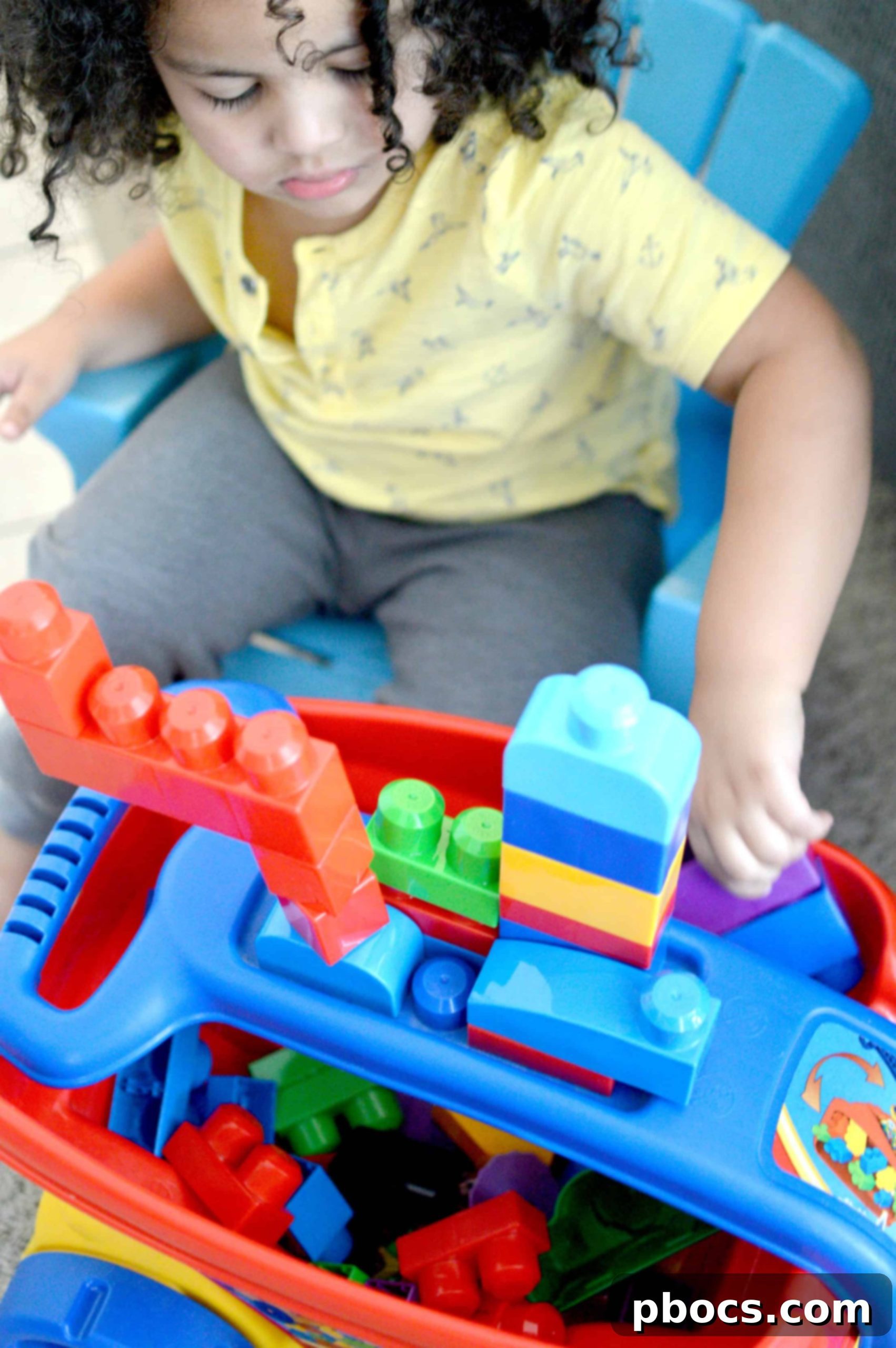
Every parent knows the familiar, sharp sting of inadvertently stepping on a rogue wooden toy block! While these ubiquitous blocks might seem like simple playthings, they are, in fact, incredibly powerful tools for fostering creative problem-solving skills in children. This “gem” of an idea, also originating from the innovative educational philosophy of Primrose Schools, expertly transforms ordinary block play into an exciting, imaginative challenge. While your child is deeply engaged with their collection of blocks, seize the opportunity to introduce a fun scenario and invite them to construct a structure based on that imaginative prompt. For instance, you might gently suggest, “Can you build a super cozy garage for my little toy car?” or, “Let’s pretend we have some adventurous horses; can you build a sturdy stable for them to sleep in tonight?”
Once they’ve proudly completed their initial creation, thoughtfully extend the activity by asking open-ended, thought-provoking questions. “Where would the horses’ food be kept?” or “Where would they sleep safely at night?” These types of questions encourage children to delve deeper into critical thinking, spatial reasoning, and imaginative expansion that goes far beyond the initial construction. It is truly heartwarming and inspiring to witness children, much like my own Joseph and Olivia, recreate these scenarios together, posing questions to each other, negotiating design choices, and collaboratively refining their imaginative worlds. This type of guided, open-ended play not only hones their problem-solving abilities and enhances their fine motor skills but also significantly strengthens their narrative skills and encourages them to thoughtfully consider both function and design in their creations. For even more insightful and engaging creative problem-solving games for kids, a wealth of additional resources and ideas can be found here.
The Cornerstone of Character: Teaching Respect
While many executive function skills can be effectively taught through structured games and playful activities, respect, in its most profound and authentic form, is often absorbed and internalized through consistent modeling and genuine, empathetic interaction. There might not be a single, designated “fun game” specifically designed to teach respect, but its cultivation is profoundly simple yet incredibly powerful and foundational. The timeless adage holds true: respect is earned. Therefore, the most impactful and enduring way to teach your children about respect is by consistently and sincerely showing it to them in your daily interactions. This crucial practice means actively listening to their thoughts, feelings, and concerns, even when they seem trivial from an adult perspective. It involves valuing their opinions (even if they differ from your own), acknowledging their efforts and struggles, and consistently treating them with kindness, fairness, and empathy. When children feel genuinely respected and understood by the important adults in their lives, they gain a clear understanding of what respect looks like, how it feels, and are consequently far more likely to extend it authentically to others. In today’s fast-paced and often challenging world, instilling this fundamental value is more critical than ever, laying the groundwork for compassionate, understanding, and responsible individuals who will contribute positively to their families, schools, and wider communities throughout their entire lives.
Primrose Schools: A Partner in Your Child’s Holistic Development
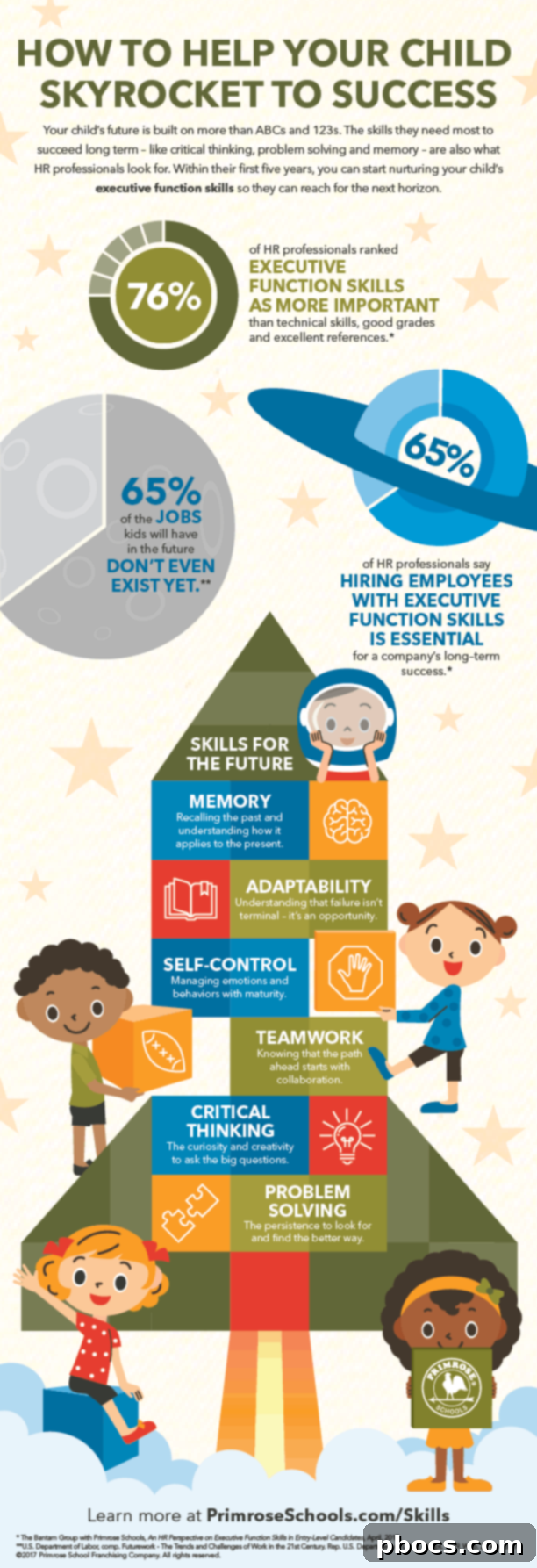
Primrose Schools consistently distinguishes itself through its profound commitment to fostering not just academic excellence, but also the crucial life skills that form the bedrock of a child’s future success and well-being. They have meticulously identified and integrated six brilliant executive function skills into their comprehensive, proprietary curriculum: adaptability, teamwork, problem-solving, critical thinking, self-control, and memory exercises. These are not merely abstract educational concepts; rather, they are actively practiced, reinforced, and celebrated daily within their classrooms, beginning even at the earliest ages. By placing such a deliberate focus on these interconnected and vital skills, Primrose provides a truly holistic educational experience that rigorously prepares children to thrive in an increasingly complex and dynamic world. While their expertly designed classrooms offer an optimal environment for this specialized learning, parents have an incredible and ongoing opportunity to reinforce and expand upon these very same skills right within the comfort and familiarity of the home environment, thereby creating a seamless and enriching learning journey for their little ones. We highly encourage you to explore this essential list of skills and delve into the insightful philosophy behind them by clicking here.
Empowering Your Child’s Future, One Playtime at a Time
The profound journey of raising children is richly filled with countless everyday moments that collectively shape who they ultimately become. By intentionally weaving the development of executive function skills into everyday playtime, we are actively empowering our children with the essential tools they need to confidently navigate challenges, deeply understand and manage their emotions, collaborate effectively with others, and ultimately grow into respectful, adaptable, and highly capable individuals. The engaging activities inspired by the expert educational philosophy of Primrose Schools are far more than just fun; they represent profound and impactful investments in your child’s future success and overall well-being. I wholeheartedly recommend incorporating these enriching and enjoyable activities into your family’s daily routine, turning ordinary moments into extraordinary learning opportunities.
And for an exciting opportunity to further enrich your child’s learning journey and foster a love for discovery, be sure to subscribe to the Primrose Schools newsletter! You’ll not only stay updated on valuable educational insights and parenting tips but also gain a fantastic chance to win an exclusive Primrose Prize Pack. This wonderful prize includes a $250 Barnes & Noble gift card – perfect for expanding your home library – and a curated collection of 5 engaging children’s books. Don’t miss out on this incredible opportunity to nurture curiosity and a lifelong passion for learning in your home. Click here to enter the sweepstakes and join a vibrant community dedicated to nurturing bright and promising futures for all children!