How to Cultivate a Lifelong Love for Reading in Children
For many of us, childhood memories are painted with the vivid colors of countless stories and the comforting rustle of turning pages. Growing up, reading wasn’t just a hobby; it was an adventure, a portal to endless possibilities. My parents understood the profound value of books, never hesitating to fill our home with literary treasures. Every weekend pilgrimage to the local library or a bustling bookstore was an event we eagerly anticipated, a chance to discover new worlds and characters. This early exposure instilled in me a deep appreciation for the written word, a passion I knew I wanted to pass on to my own children.
Instilling a love for reading in kids is one of the greatest gifts a parent can offer. It’s an investment in their imagination, their cognitive development, and their future success. While some children naturally gravitate towards books, others might need a bit more encouragement and creative engagement. The journey to nurturing a lifelong reader is a rewarding one, filled with shared moments and discoveries. In this comprehensive guide, we’ll explore effective strategies and practical tips to inspire your child to embrace the magic of reading, transforming it from a task into a cherished part of their lives.
The Enduring Magic of Books: Why Reading Matters for Kids
Long before they can decipher words, children benefit immensely from exposure to books. Reading to a newborn, even if they don’t understand the narrative, helps them recognize voices, associate reading with comfort, and develop crucial pre-literacy skills. As they grow, books become tools for expanding vocabulary, understanding complex emotions, and developing critical thinking. The act of reading fosters imagination, allowing children to visualize characters, settings, and plots, building a rich inner world.
Beyond the academic advantages, reading offers a unique form of escapism and relaxation. In a world increasingly dominated by screens and fast-paced digital content, the quiet introspection that comes with a good book is invaluable. It teaches patience, focus, and empathy by stepping into the shoes of diverse characters. As children mature, their reading skills will underpin nearly every aspect of their education and professional lives, from comprehending instructions to analyzing complex texts. Therefore, nurturing this skill and passion early on is fundamental to their holistic development.
Key Strategies to Encourage Young Readers
While I always hoped my own seven children would inherently love books as much as I did, I quickly learned that it often takes consistent effort and creative approaches to truly spark that enthusiasm. Every child is different, but certain strategies prove universally effective in fostering a positive relationship with reading.
1. Start Early: The Cradle of Literacy
The journey to literacy begins long before a child can read independently. Introduce books to your children as soon as they are born. Even infants benefit from hearing your voice, seeing colorful illustrations, and engaging with the physical presence of a book. I started buying books for my kids before they were even born, ensuring we had a diverse selection from board books for tiny hands to engaging picture books as they grew. This early immersion establishes reading as a natural and enjoyable part of their world, rather than something foreign or forced.
As toddlers, children learn to associate books with comfort and connection when they sit in your lap during story time. They begin to understand that pictures tell stories, and that those stories can be found within the pages. This foundational experience builds their vocabulary, exposes them to narrative structures, and primes their brains for future reading success.
2. Craft a Cozy Reading Nook: An Inviting Escape
Create a dedicated space in your home where reading is not only encouraged but celebrated. A “cozy reading nook” doesn’t have to be elaborate or expensive. It could be a corner of a room adorned with soft throw blankets, plush pillows, and good lighting. The key is to make it an inviting sanctuary, a comfortable haven where children feel safe and relaxed enough to lose themselves in a book. This special space signals that reading is a valued activity, a peaceful escape from the everyday hustle and bustle.
Ensure that books are easily accessible within this nook, perhaps on low shelves or in a charming basket. The visual presence of books and the comfort of the space itself can be powerful motivators, encouraging children to choose reading over other distractions. This simple environmental cue can transform reading time into a cherished ritual.

3. Make Reading a Consistent Routine: A Cherished Daily Ritual
Consistency is key when developing any habit, and reading is no exception. While bedtime stories are a classic and beloved tradition, don’t limit reading to just one time of day. Get creative! Anytime can be a good time to read together. Maybe it’s a chapter during breakfast, a picture book during a quiet afternoon, or even an impromptu story session during a long car ride.
When my son, Robert, was just two years old, he would often sit on my lap while I read my own books out loud. Even though the content was beyond his comprehension, he enjoyed the sound of my voice and the shared quiet moment. This demonstrates that the act of reading together, the shared experience, is often as important as the content itself in fostering a positive association with books. A regular routine, whether daily or several times a week, establishes reading as a valued and anticipated part of family life.
4. Empower Choice: Let Them Pick Their Own Adventures
In today’s digital age, children have countless choices for entertainment. To make reading competitive and engaging, allow your children to choose their own books. When kids have a say in what they read, they develop a sense of ownership and personal connection to the stories. Let them pick books featuring characters they love, exploring genres that pique their interest, whether it’s dinosaurs, princesses, superheroes, or space travel. Their enthusiasm will be a powerful driver.
This freedom of choice extends beyond physical books. Explore digital libraries and e-readers, which can be particularly appealing to technologically savvy children. Many platforms offer interactive books and engaging stories that can captivate even reluctant readers. The goal is to connect them with stories in whatever format sparks their curiosity and joy.
5. Diversify the Literary Landscape: A World of Stories Awaits
Always provide a good variety of books to keep reading fresh and exciting. Don’t limit your child to just one type of story or genre. Introduce them to fiction, non-fiction, poetry, graphic novels, and biographies. Explore books from different cultures and authors, exposing them to diverse perspectives and broadening their understanding of the world.
A wonderful way to connect with your child through reading is to revisit books you enjoyed as a kid. Share your own childhood favorites – the stories that shaped you, made you laugh, or taught you valuable lessons. This not only introduces them to classic literature but also creates a special bond as you share a piece of your own history with them. Curate a home library that reflects a wide spectrum of interests and age-appropriateness, ensuring there’s always something new to discover.
6. Foster Peer and Sibling Reading: A Community of Readers
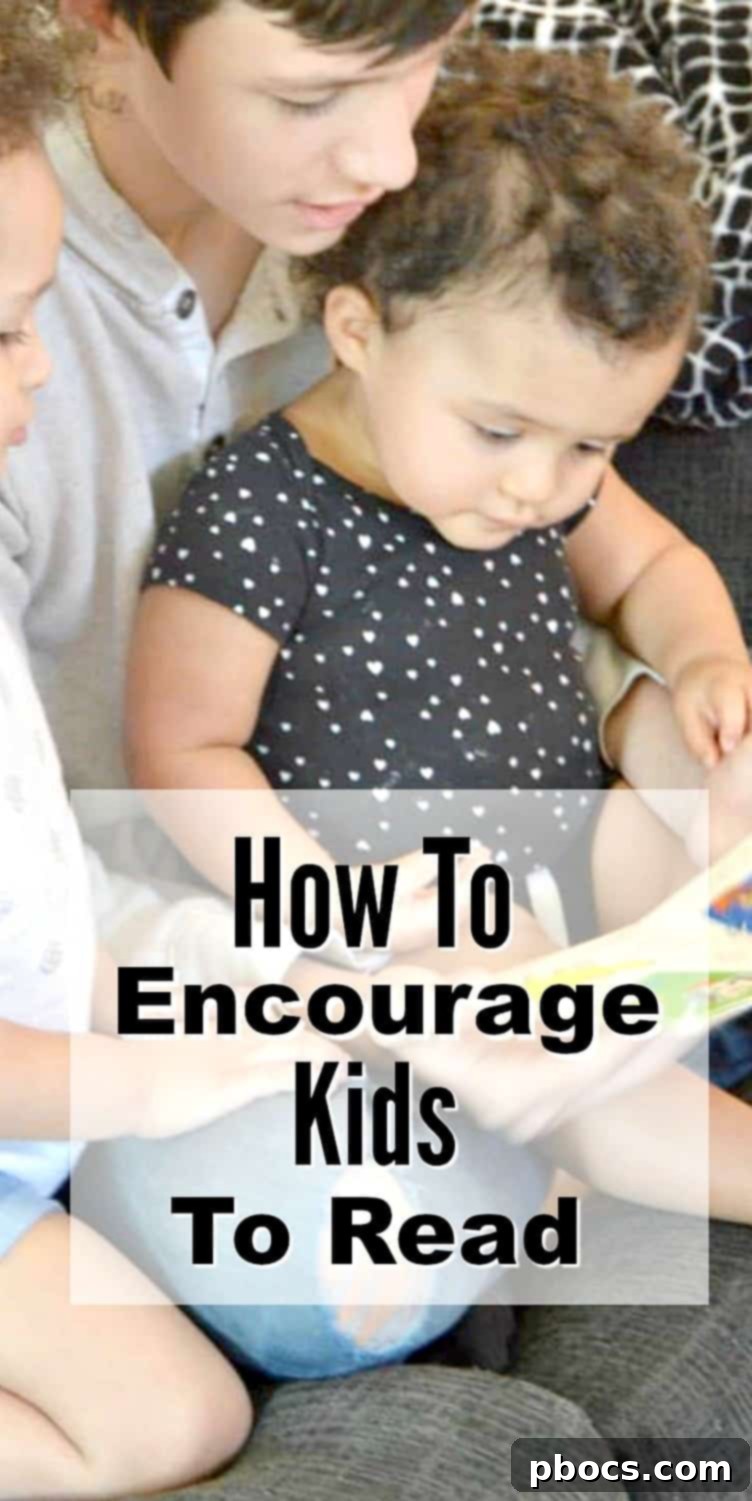
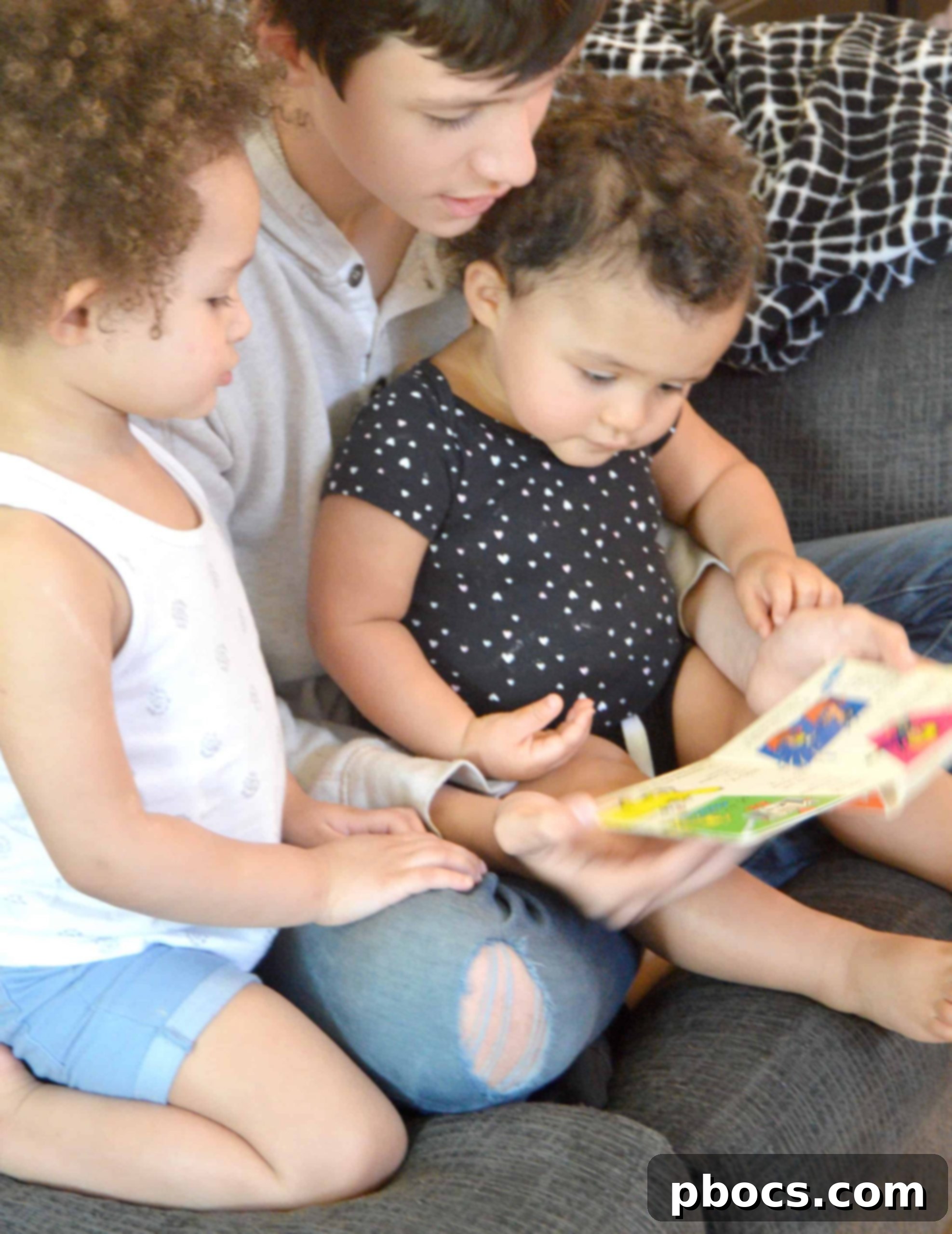
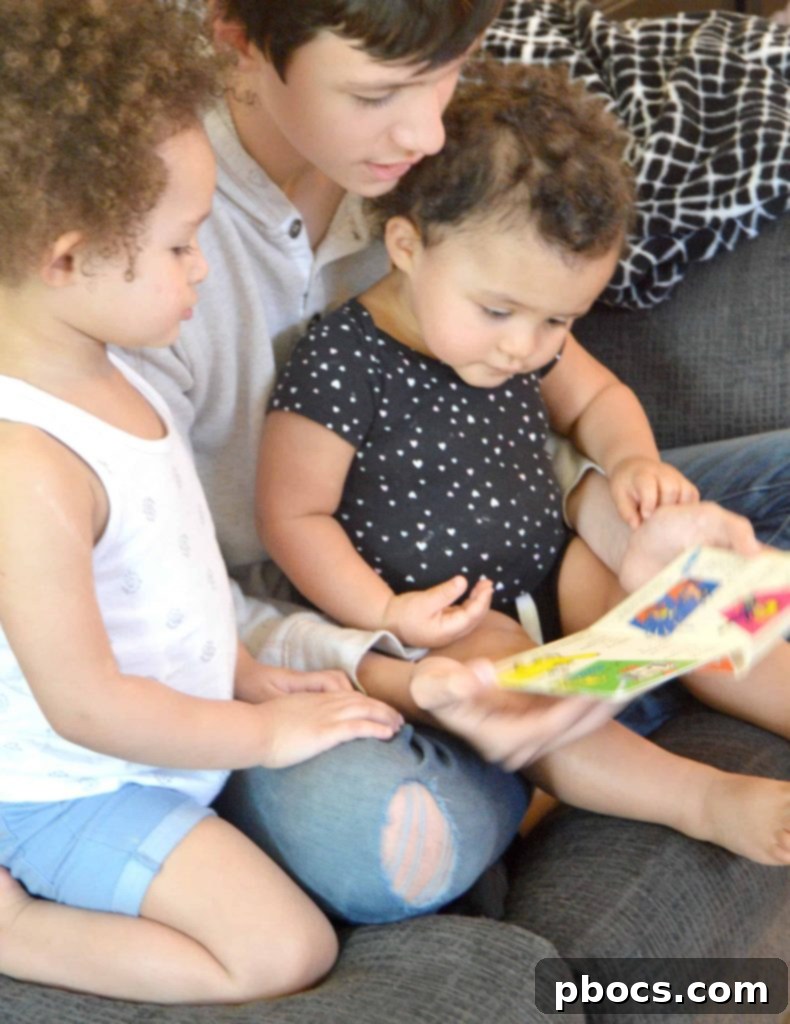
There’s a unique joy in watching older siblings share stories with their younger brothers or sisters. This dynamic offers multiple benefits: older children get to practice their reading skills and develop leadership, while younger children look up to their siblings and feel a sense of camaraderie. It’s incredibly heartwarming to see my older boys gather their younger siblings for a story session, and my little girls sitting captivated, listening to their brothers read.
Encourage this interaction whenever possible. It’s a fantastic way to get the entire family involved in reading, creating shared experiences and strengthening familial bonds. As a bonus, it can also give parents a few precious moments to set up snack time, prepare dinner, or simply enjoy a quiet cup of coffee!
Beyond the Basics: Advanced Tips for Nurturing Readers
Lead by Example: Be a Reader Yourself
Children are keen observers, and they often emulate what they see their parents doing. If your children see you reading regularly—whether it’s a novel, a magazine, or even an online article—they will understand that reading is a valuable and enjoyable activity. Make time for your own reading, discuss what you’re reading, and let them see you engrossed in a book. Your enthusiasm will be contagious.
Explore Libraries and Bookstores: Hubs of Discovery
Regular trips to the public library or local bookstore can be an exciting adventure. Libraries offer a vast, free resource for exploring new books, attending story times, and participating in reading programs. Bookstores, with their vibrant displays and cozy atmospheres, can also inspire a love for browsing and discovering new titles. These outings make reading a community activity and a special experience beyond the confines of home.
Make Reading Interactive and Playful
Transform reading into an active experience. Ask questions about the story: “What do you think will happen next?” “How do you think the character feels?” Encourage them to act out scenes, draw pictures inspired by the story, or even create alternative endings. For younger children, point out words, track sentences with your finger, and make different voices for characters. This engagement deepens comprehension and makes reading a more dynamic activity.
Connect Reading to Real-Life Experiences
Show your children how reading applies to everyday life. Read recipes together when baking, interpret road signs and maps, or follow instructions for a craft project. Point out words in their environment—on cereal boxes, billboards, or game instructions. This demonstrates the practical utility of reading and reinforces its relevance beyond storybooks, making literacy a tangible and useful skill.
Celebrate Reading Milestones: Rewards and Recognition
Acknowledge and celebrate your child’s reading achievements, no matter how small. Finishing a chapter, completing a book, or reading for a certain amount of time can all be reasons for positive reinforcement. Consider implementing a simple reading challenge with small, non-monetary rewards like choosing a special family activity, getting extra story time, or picking a new book from the store. The focus should always be on the joy of reading, not just the reward.
Embrace Audiobooks: An Alternative Path to Stories
Audiobooks can be a fantastic resource, especially for reluctant readers or during long car rides. Listening to stories can enhance vocabulary, comprehension, and imagination without the pressure of decoding words. It allows children to engage with complex narratives beyond their current reading level, fostering an appreciation for storytelling and expanding their literary horizons.
The Journey to Lifelong Literacy
Nurturing a child who loves to read is a marathon, not a sprint. There will be times when they are less enthusiastic, and that’s perfectly normal. The key is to remain patient, persistent, and always approach reading with a sense of joy and discovery. By making books accessible, creating inviting spaces, modeling reading behavior, and allowing for choice, you are laying the foundation for a lifelong relationship with literature. The ability to read empowers children to explore, learn, and grow continuously, opening doors to endless knowledge and imagination. Embrace every shared story, every new word learned, and every moment spent together in the magical world of books.
Inspiring Kids’ Creativity: Fun Crafts to Pair with Reading
Reading can often inspire other creative outlets. Here are a few fun craft ideas to spark your child’s imagination after a good story:
- Paper Plate Unicorn Craft
- Easter Chick Kids Craft
Share and Save: Pin These Reading Tips!
If you found these tips helpful, be sure to pin them for future reference and share them with other parents who are on a similar journey to cultivate a love for reading in their children!