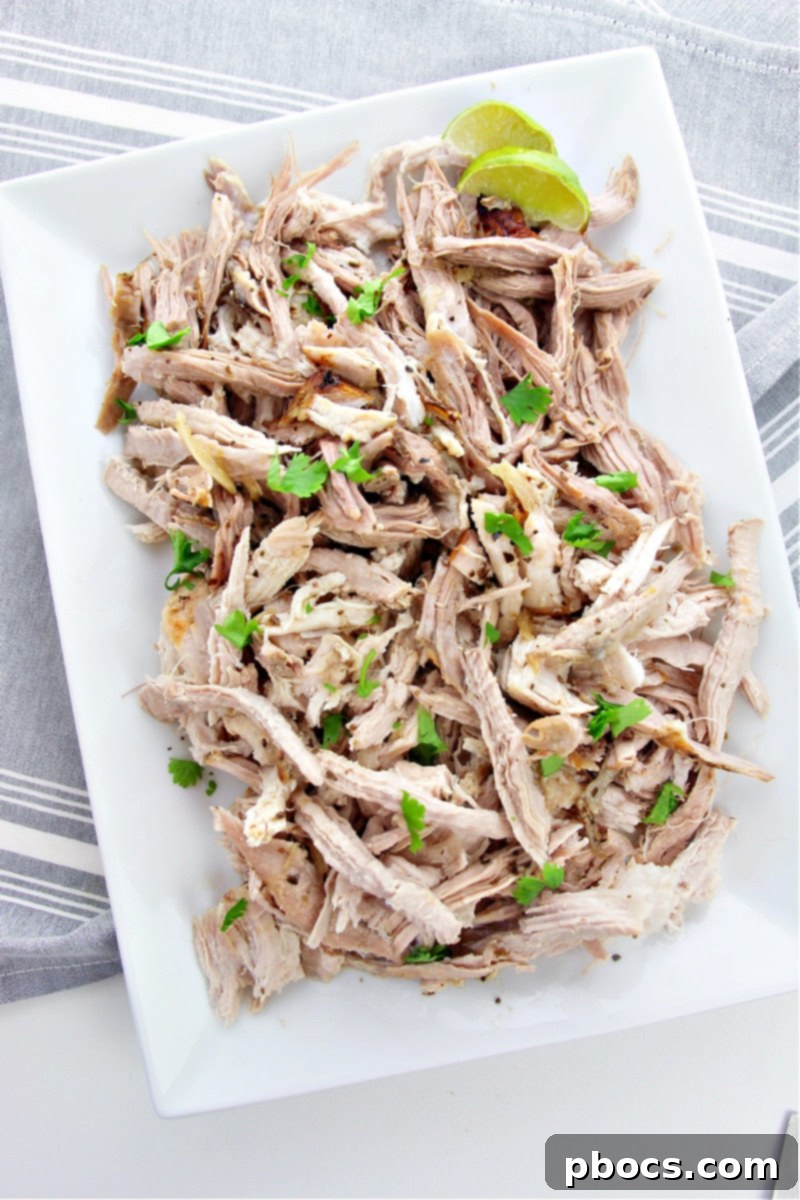
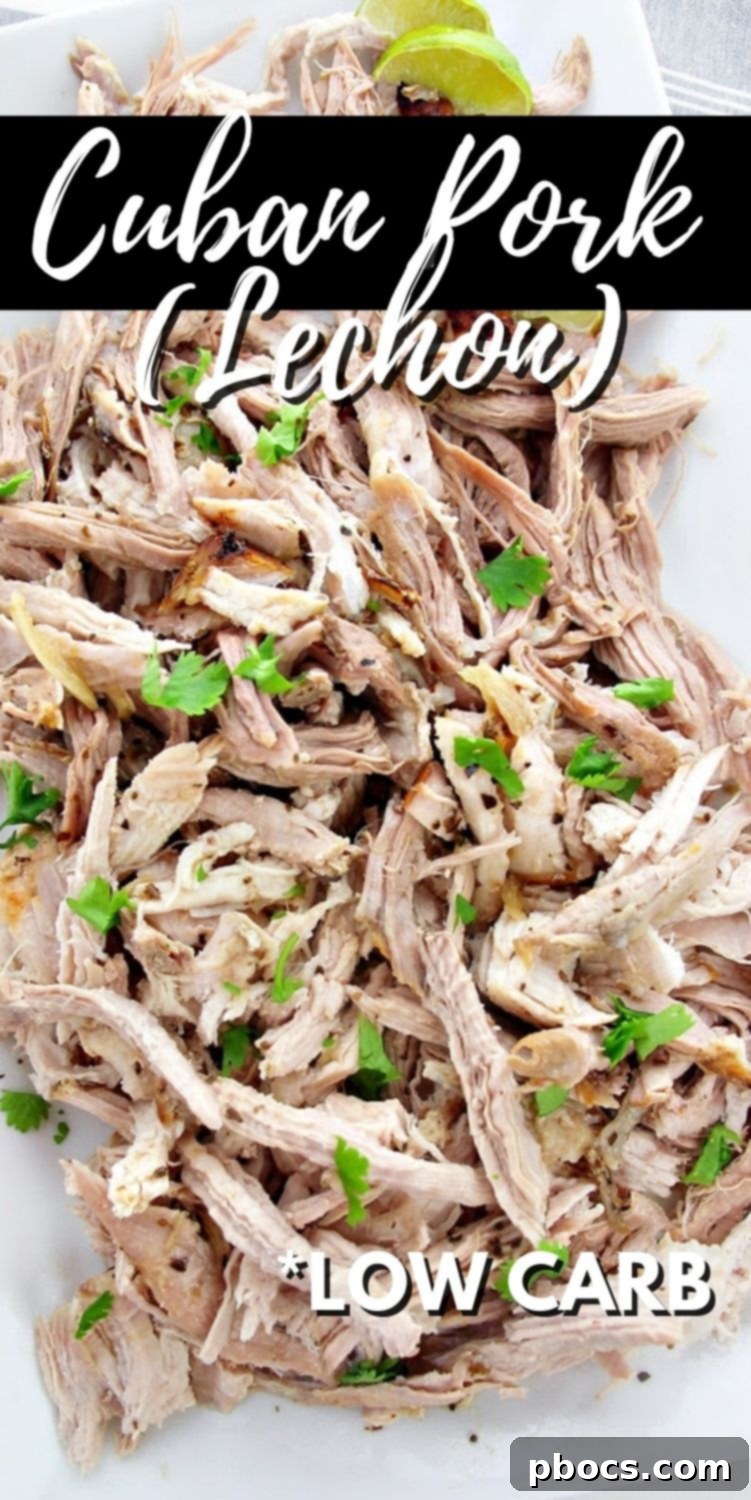
Unlock the incredible flavors of a culinary classic with our mouth-watering Low-Carb Cuban Pork, traditionally known as Lechon. The true magic behind this succulent dish lies in its vibrant marinade – a potent blend of sour citrus, aromatic garlic, and fresh herbs that transforms a simple pork roast into an unforgettable feast. Allow it to marinate patiently, ideally overnight, then slow-bake it to perfection for approximately two hours. The result? Incredibly juicy, tender pork with a beautifully crispy exterior that will have your taste buds singing. This recipe isn’t just delicious; it’s a naturally low-carb gem, making it an ideal choice for anyone following a ketogenic or low-carb lifestyle without sacrificing an ounce of flavor.
What is Cuban Pork (Lechon)? A Culinary Masterpiece
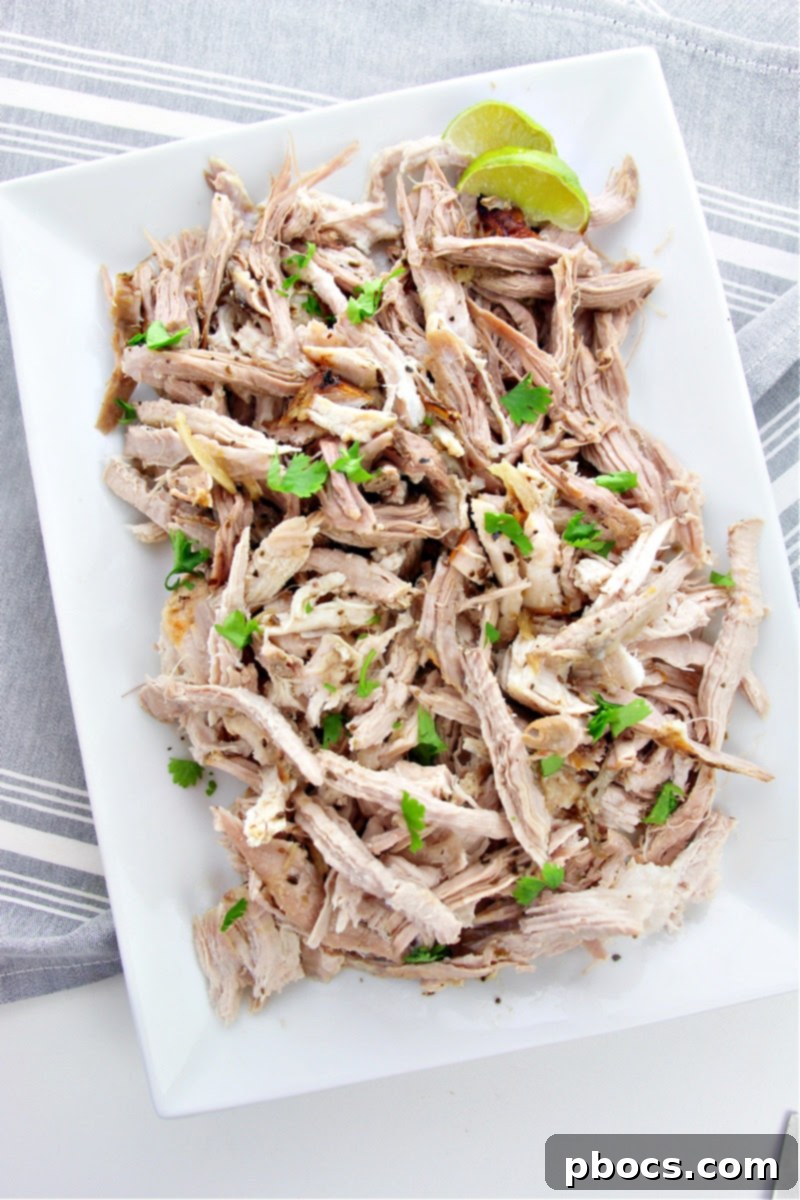
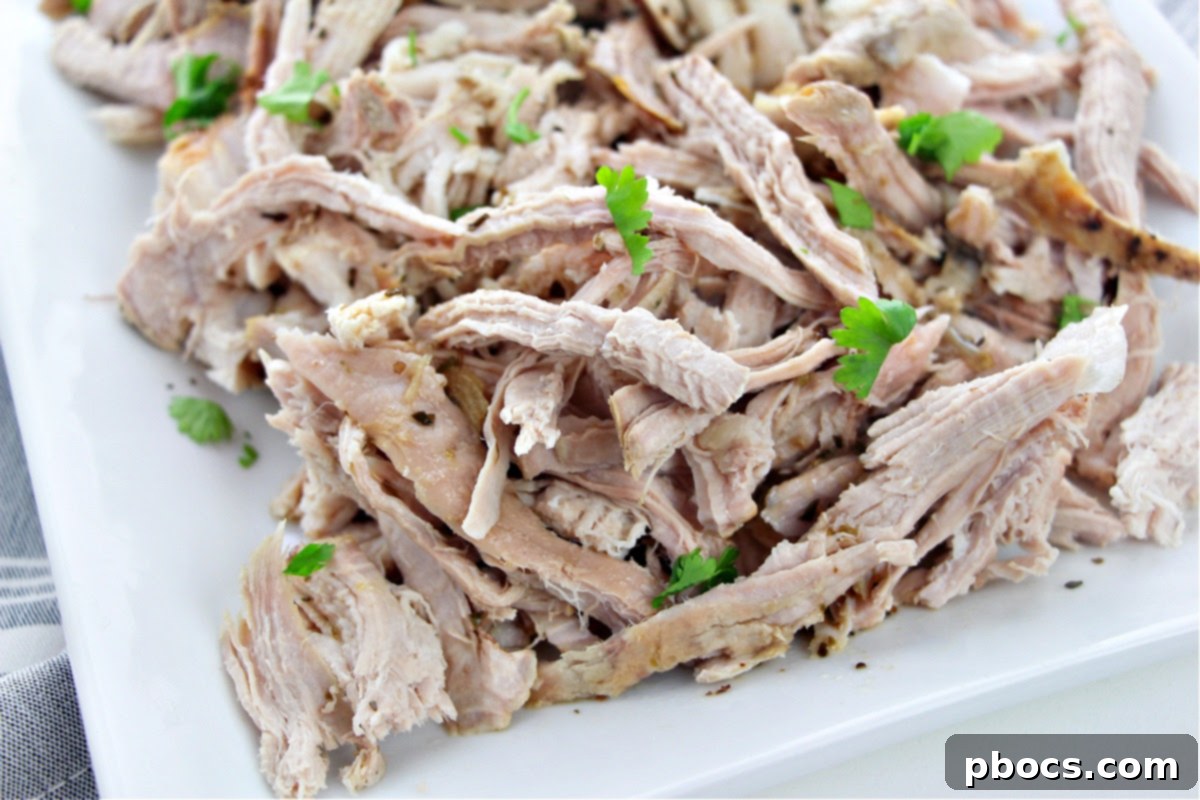
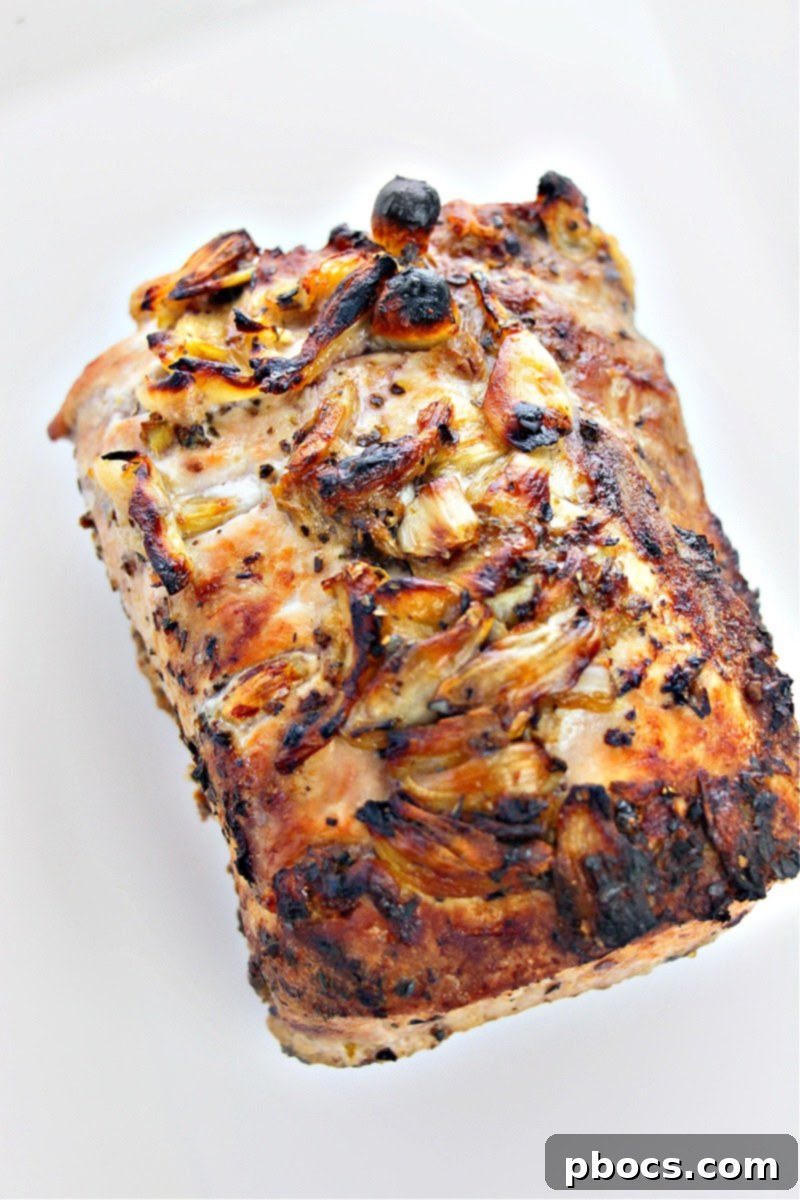
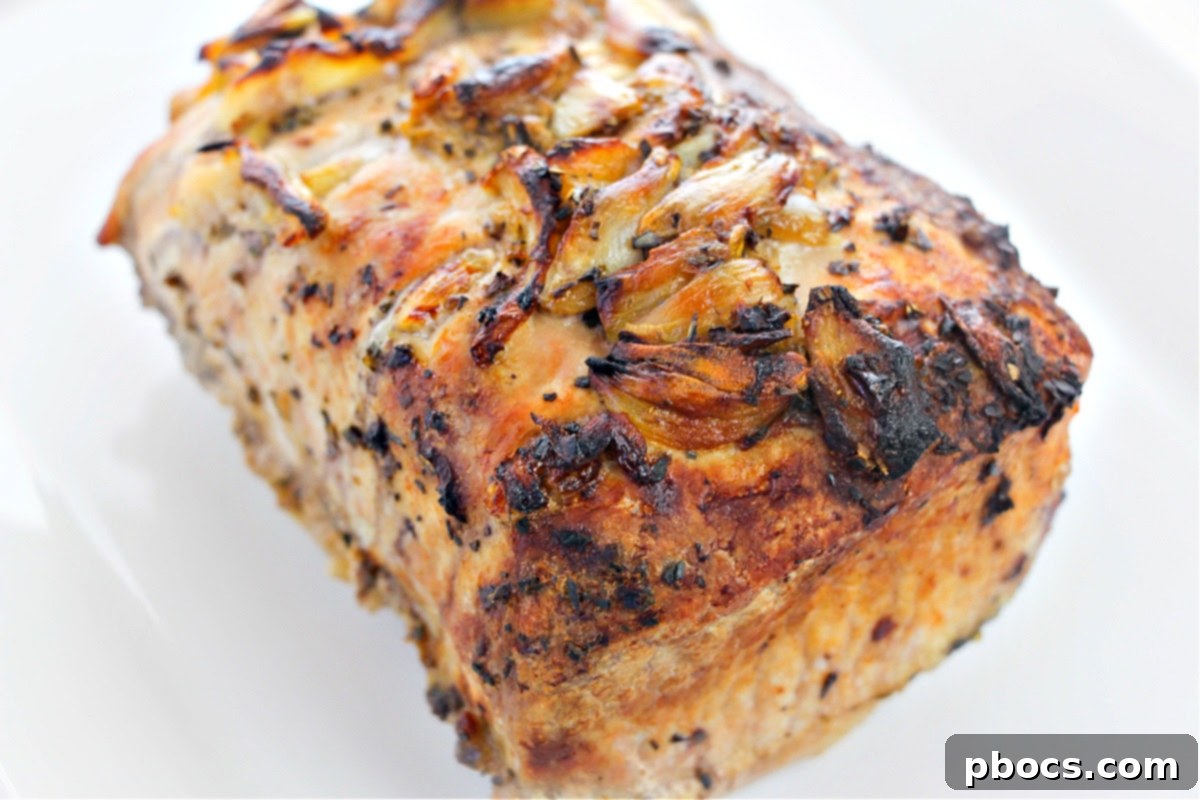
Cuban Pork, or Lechon as it’s known in its homeland, is more than just a dish; it’s a celebration. At its heart, Lechon refers to a whole roasted pig, a centerpiece for special occasions and holidays in Cuban culture. However, when adapted for home cooking, it typically involves a pork shoulder or a substantial pork roast that undergoes a transformative marination process. This isn’t just any marinade; it’s a potent “mojo” sauce that permeates every fiber of the meat before it’s slow-roasted in the oven. The outcome is a truly sensational pork roast: a marvel of contrasting textures with an irresistibly crispy, golden-brown skin giving way to an incredibly juicy, tender, and fall-apart interior.
The essence of Cuban pork’s extraordinary flavor profile comes directly from the “mojo” marinade. This legendary concoction is a symphony of tangy citrus, pungent garlic, and a medley of fresh herbs and spices. It’s the secret weapon that infuses the pork with a depth of flavor that is both bright and earthy. When it comes to shredded pork bursting with a robust, authentic taste, few dishes can rival the rich and complex character of Cuban pork. Prepare to fall in love with this versatile pork recipe – whether you’re seeking a fresh idea for your weekly meal prep or simply wish to break free from your dinner time routine, this recipe promises to be a delightful culinary adventure.
The Power of Mojo Marinade: Naturally Low-Carb Flavors
One of the most appealing aspects of traditional Cuban Lechon is its inherent compatibility with a low-carb diet. This robust recipe requires no complex modifications to become keto-friendly, as its core flavors are naturally derived from non-starchy, sugar-free ingredients. The undisputed star of this dish is the sour orange marinade, the backbone of any authentic Cuban pork. For convenience and consistent flavor, many home cooks, myself included, favor a high-quality, sugar-free brand such as Goya Sour Orange Marinade.
This type of marinade is typically crafted from ingredients like orange concentrate, citric acid, orange essence, and grapefruit extract. The name perfectly encapsulates its profile: a wonderfully strong, intensely sour, and tangy liquid that tenderizes the pork and infuses it with a vibrant citrusy zest without any added sugars. To further enhance and brighten the marinade, fresh lime juice is incorporated, adding another layer of zesty acidity. Earthy, warm notes come from classic Cuban spices like oregano and cumin, which complement the pork beautifully. Bay leaves also play a crucial role, contributing a subtle yet distinctive herbal aroma during the slow cooking process. The combination of these simple yet powerful ingredients creates a marinade that penetrates deep into the meat, ensuring every bite of this roasted pork is packed with an incredibly rich and authentic Cuban flavor.
Low-Carb Cuban Pork: Versatile Serving & Meal Prep
One of the greatest advantages of making this low-carb Cuban pork is its incredible versatility. It’s truly what I call a “cook once, eat twice” (or even thrice!) kind of meal, making it perfect for efficient meal planning throughout your week. The robust, savory, and tangy flavors hold up beautifully, meaning leftovers are just as delicious, if not more so, than the initial serving.
For an authentic and satisfying low-carb experience, the classic way to enjoy this flavorful pork is piled high on a bed of keto cauliflower rice or creamy cauliflower mash. These starchy alternatives absorb the savory juices and complement the pork without adding unnecessary carbs. To complete your meal, consider serving it alongside some low-carb garlic rosemary rolls – or get creative and use the shredded pork to fill the rolls for delicious, low-carb sliders bursting with flavor.
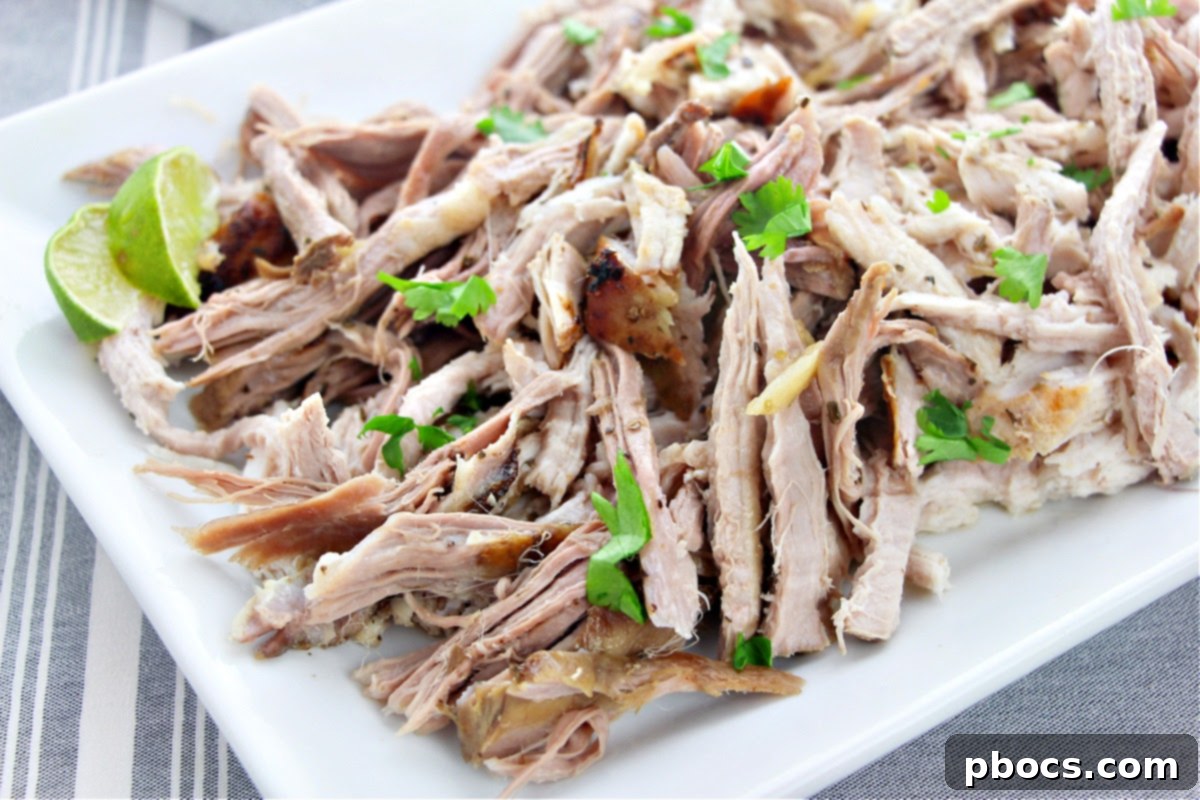
Leftovers are where this dish truly shines for meal prep. Simply store any unused pork in your favorite airtight food storage containers, and it will remain fresh and flavorful for up to three days in the refrigerator. The possibilities for repurposing are endless:
- Transform your dinner into an exciting lunch by serving it atop keto nachos for a crunchy, cheesy, and satisfying treat.
- Craft mouth-watering low-carb pork tacos by stuffing the succulent shredded pork into your favorite keto taco shells, perhaps with some fresh salsa and avocado.
- For a quick and light lunch, serve the shredded pork on a crisp bed of shredded lettuce with a squeeze of lime juice for a vibrant and filling salad.
- It’s also fantastic stirred into a low-carb soup or stew, adding rich flavor and protein.
- Consider using it in a keto-friendly omelet or scramble for a unique breakfast or brunch option.
There are truly countless ways to enjoy this fantastic Cuban pork, and I eagerly anticipate hearing your creative serving ideas!
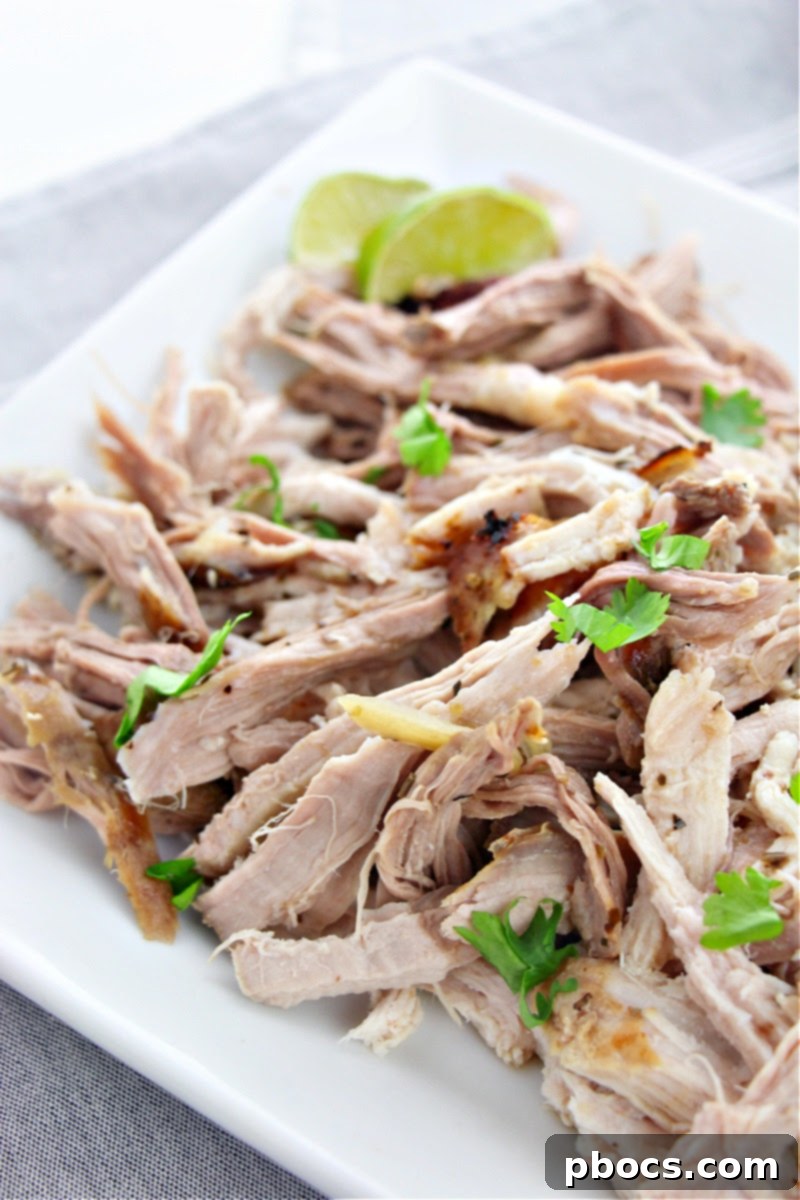
Crafting the Perfect Keto Pork Roast: Selection & Marination
To achieve the most tender and flavorful low-carb Cuban pork, selecting the right cut of meat is paramount. For this recipe, a 2-pound pork roast is ideal, and I highly recommend opting for a pork shoulder, also known as a Boston butt. This cut is perfect for slow roasting because of its excellent marbling and connective tissue, which break down during extended cooking, resulting in incredibly succulent and shreddable pork. While pork shoulder typically comes with a good fat cap, you can trim some of the excess fat if desired, though leaving a bit on will contribute to a more moist and flavorful roast. The thickness of this cut is also beneficial, as it allows you to create deep slits for garlic infusion.
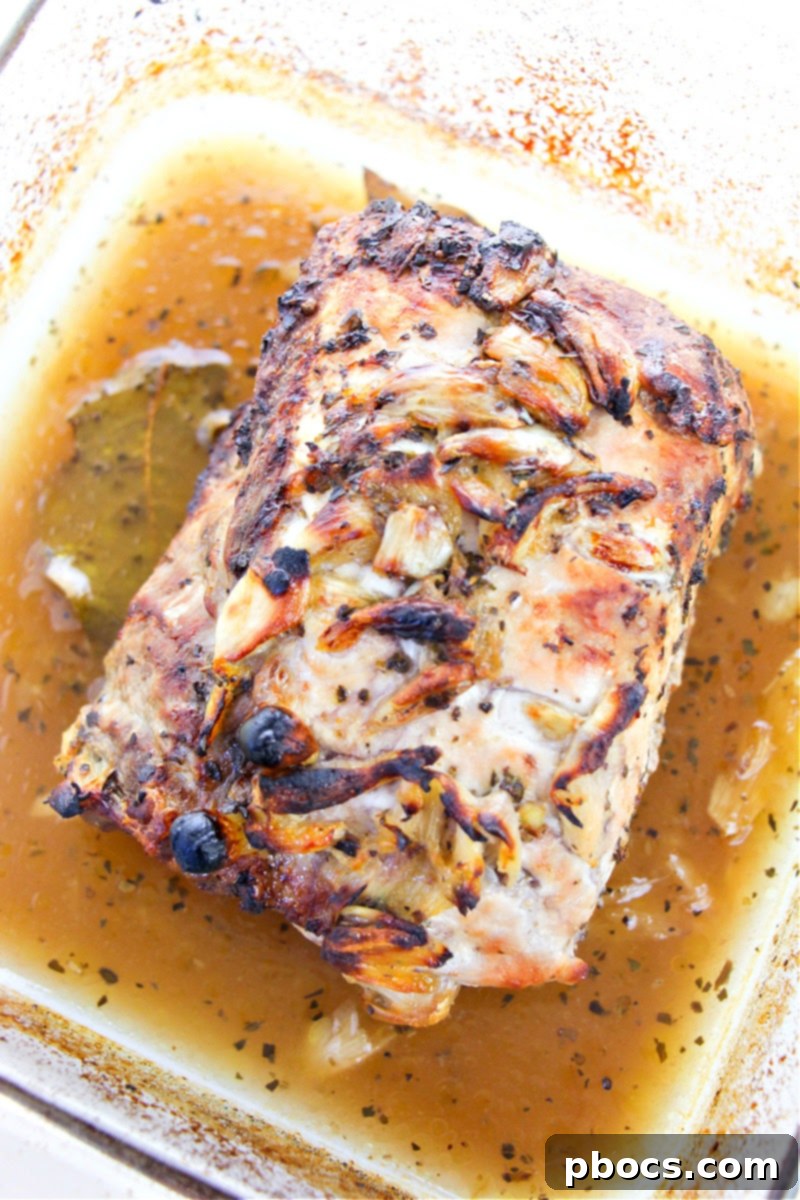
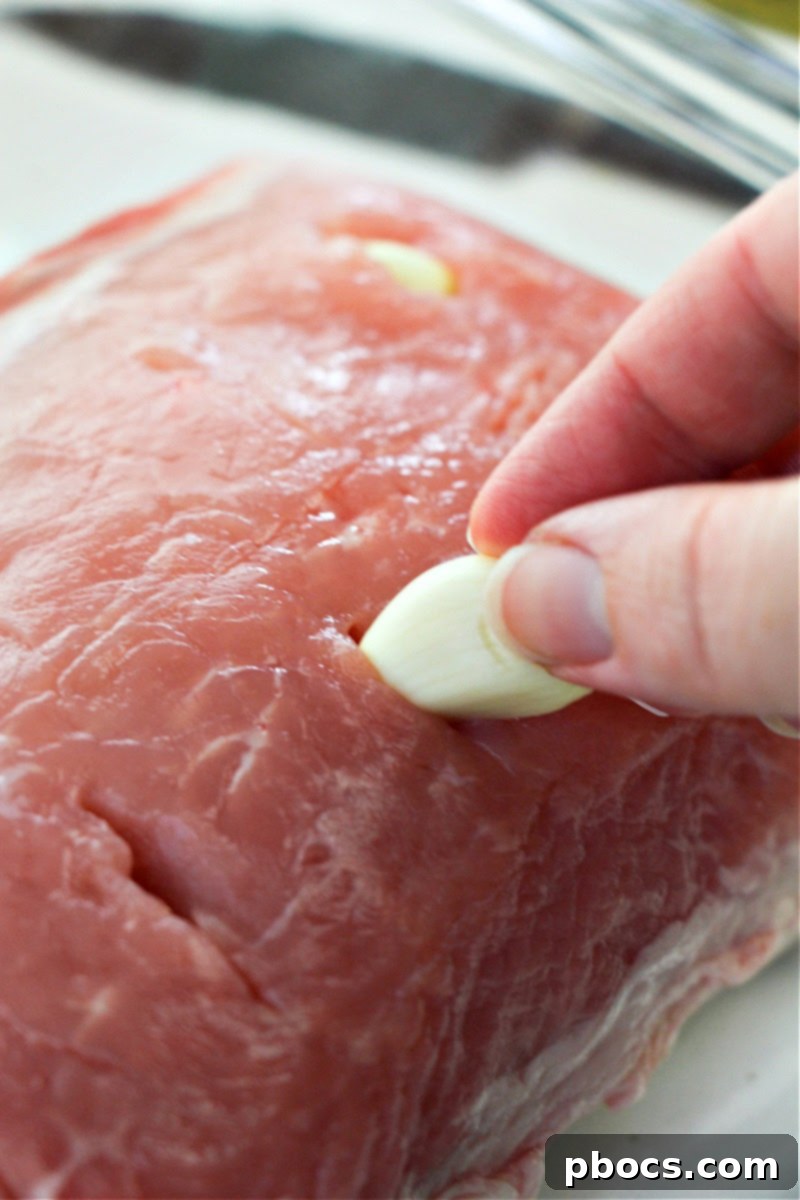
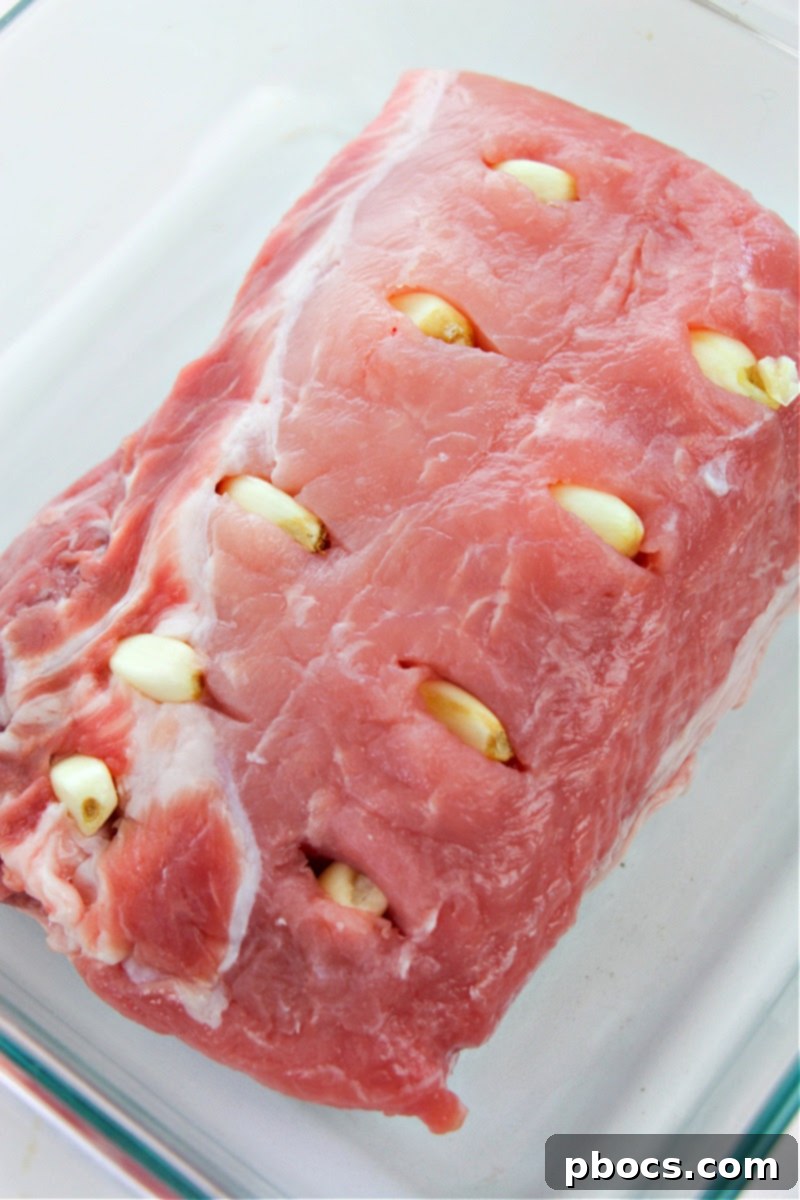
One of the signature steps in preparing Lechon is strategically inserting fresh garlic cloves directly into the meat. This isn’t just for show; it’s a critical technique for infusing the roast with an intense, aromatic garlic flavor from the inside out. Using a sharp knife, carefully cut approximately 8-10 slits, about 1-2 inches deep, all over the pork roast. Into each of these pockets, snugly insert a whole or half garlic clove. This ensures that the pungent garlic permeates the meat as it slow cooks, creating pockets of concentrated flavor.
When it comes to marinating, you have a couple of convenient options, both yielding excellent results. You can place the pork roast in a large, heavy-duty food storage bag (like a Ziploc bag), pour the prepared mojo marinade over it, seal, and ensure the pork is fully coated. Alternatively, for a more eco-friendly and time-saving approach, simply place the pork directly into the casserole or baking dish you intend to use for roasting. Pour the marinade over the pork in the dish, ensuring it’s well-covered. Marinating it directly in the baking dish saves you from washing an extra bag and ensures all the precious marinade goes right into the oven with the meat. Whichever method you choose, the key is to allow ample time for the marinade to work its magic. While a minimum of 30 minutes will impart some flavor, for truly profound results, marinate the pork overnight in the refrigerator. This extended period allows the acidic components of the mojo to tenderize the meat and the spices to deeply penetrate, creating an unparalleled depth of flavor.
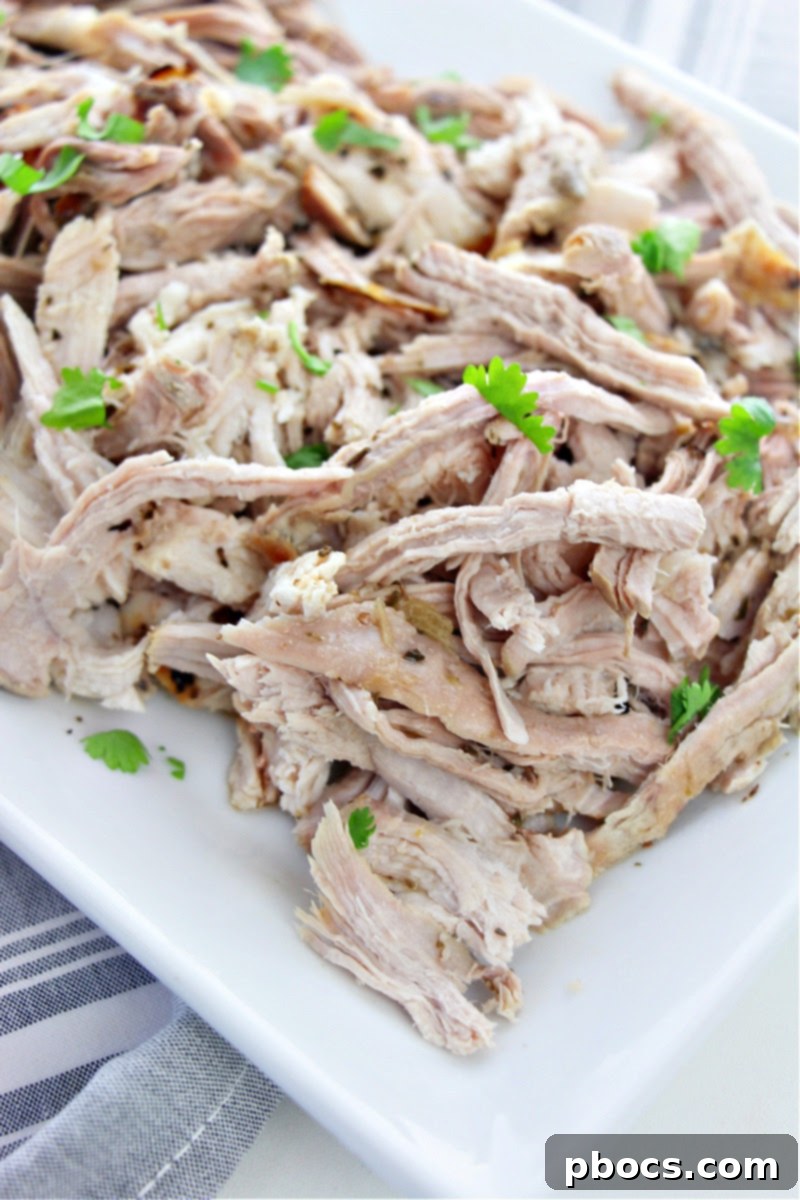
Baked Pork Roast: Achieving Tenderness and Crispy Perfection
The success of a truly exceptional Cuban pork roast hinges on the slow baking process, which breaks down the connective tissues in the pork shoulder, rendering it incredibly tender and juicy. While I provide general cooking times in the recipe, it’s crucial to remember that ovens can vary, and the most accurate way to determine doneness is by internal temperature. Always use a reliable meat thermometer to ensure your pork is cooked safely and to your desired level of tenderness.
For safe consumption, pork should reach an internal temperature of at least 145°F (63°C) when measured at the thickest part, followed by a three-minute rest. However, for a fall-apart tender, shreddable Cuban pork, you’ll want to cook it significantly longer. Aim for an internal temperature of 190°F (88°C) or even up to 200°F (93°C). At these higher temperatures, the collagen in the pork breaks down completely, resulting in meat that easily pulls apart with a fork, mimicking the texture of traditional Lechon.
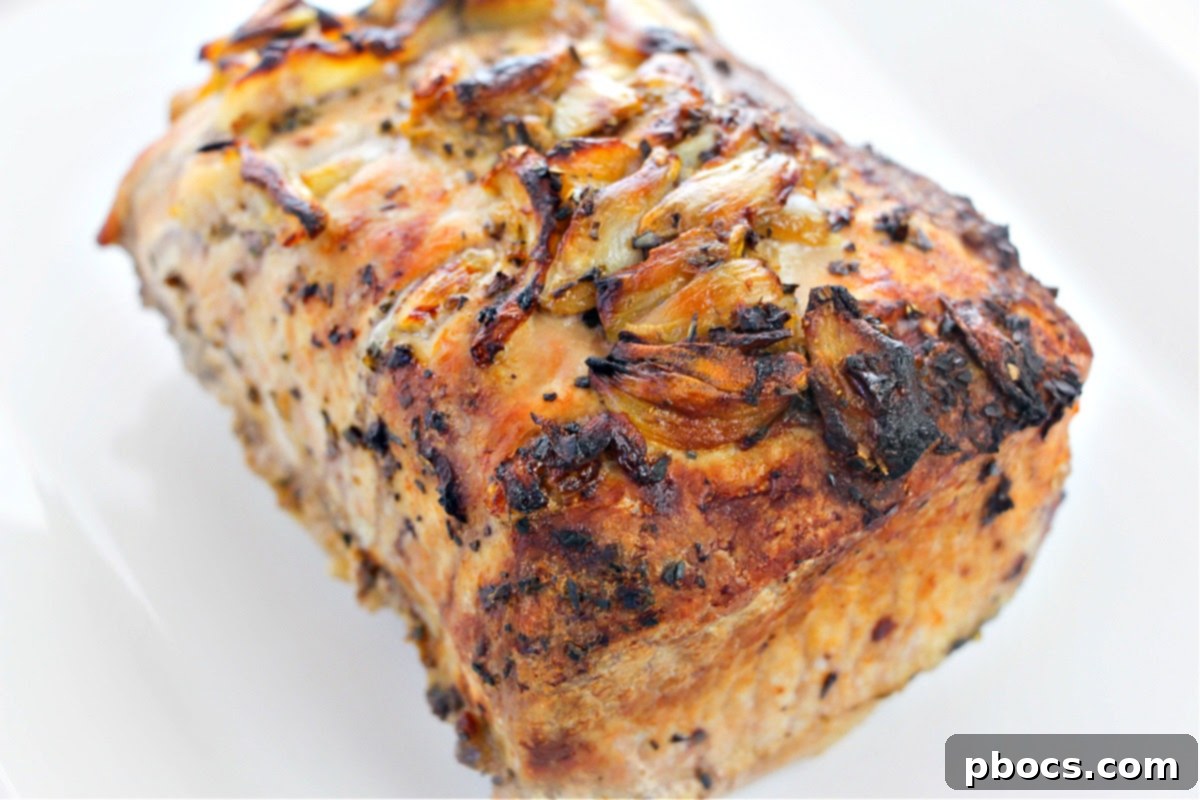
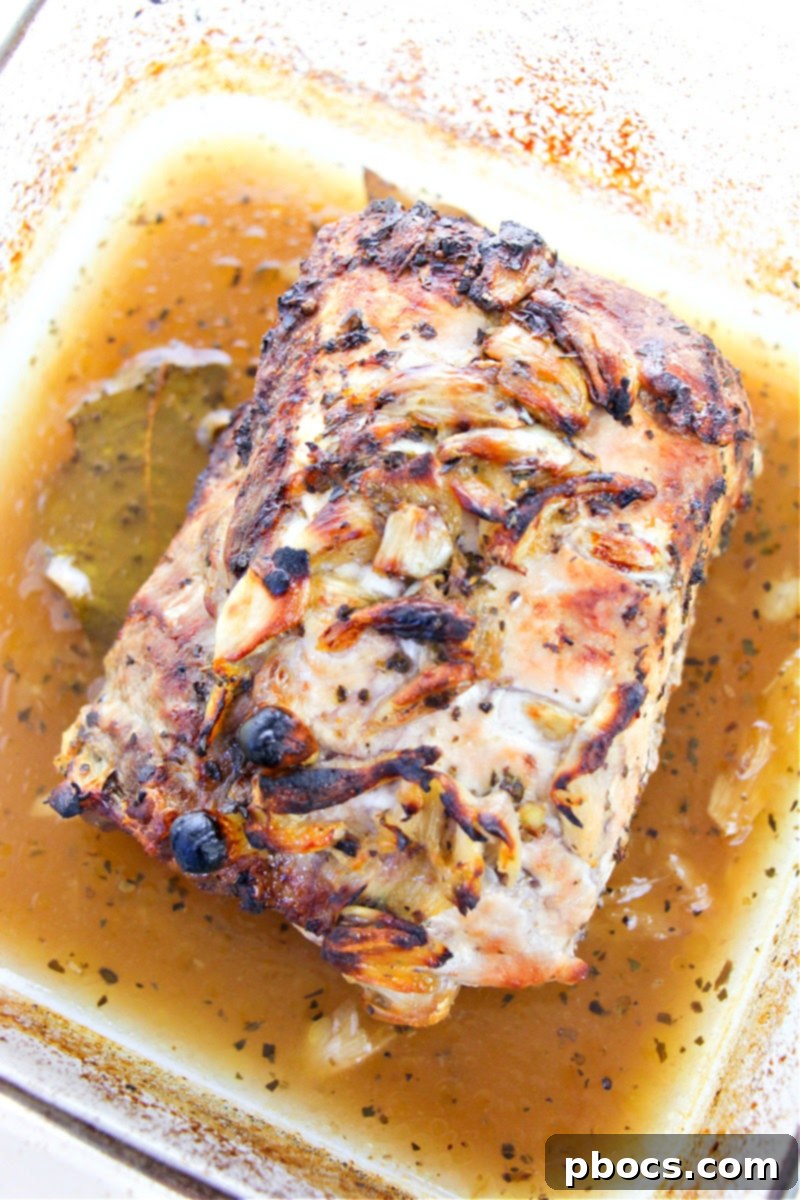
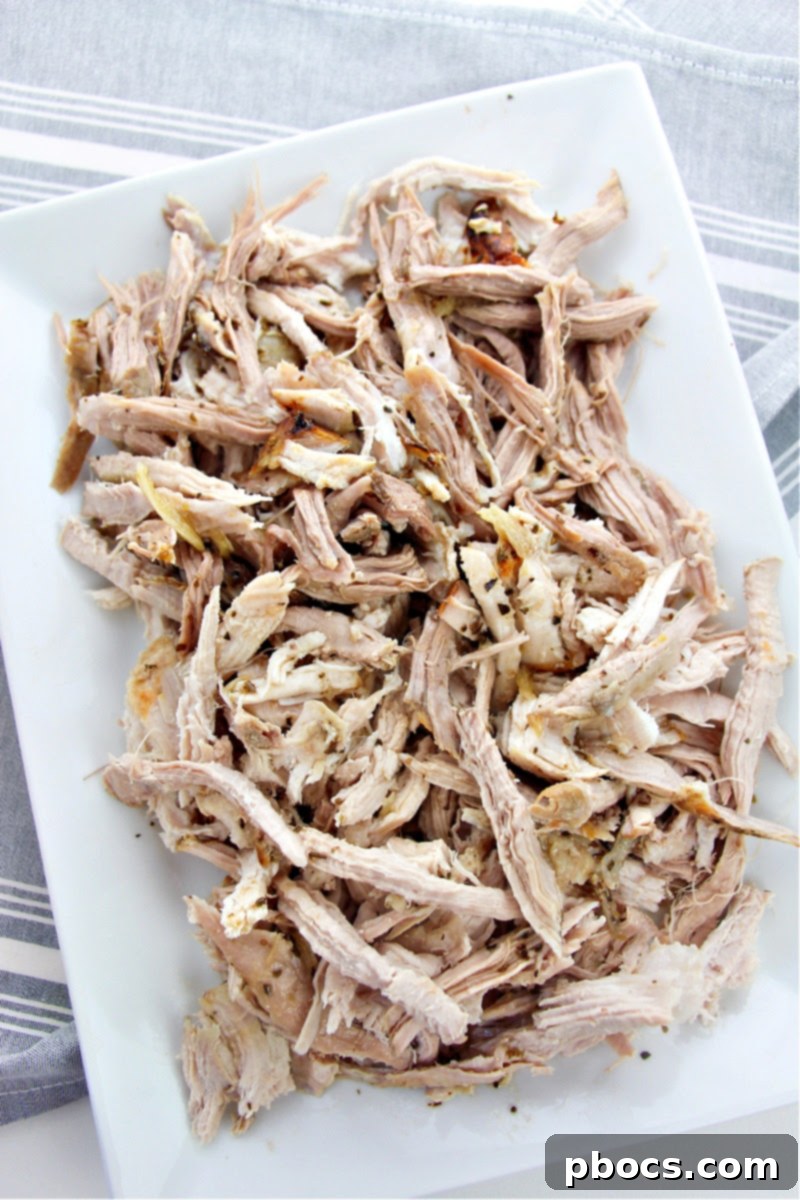
After your pork roast has achieved its ideal internal temperature, consider a final step to elevate its texture: broiling. If you desire that signature crispy skin, known as “chicharrón” in Cuban cuisine, carefully remove the foil cover from your baking dish for the last few minutes of cooking. Then, increase the oven temperature or switch to the broiler setting (monitoring closely) for about 5-10 minutes, or until the top layer of fat and skin renders and crisps up beautifully. This step adds an irresistible textural contrast to the tender meat beneath. Once cooked, allow the roast to rest for 5-10 minutes before shredding. This crucial resting period allows the juices to redistribute throughout the meat, ensuring every bite is as moist and flavorful as possible. Finally, using two forks or meat shredders, effortlessly pull the pork apart into succulent strands, ready to be enjoyed in countless delicious ways.
Low-Carb Cuban Pork Recipe: Your Step-by-Step Guide
Below, you’ll find the complete, printable recipe card for this incredibly flavorful Low-Carb Cuban Pork. Before you dive into the details, take a moment to review the photos illustrating each step of the process. This visual guide is designed to make your cooking experience as smooth and successful as possible. Don’t forget to save this recipe to your low-carb pork recipes board on Pinterest so you can easily find it whenever a craving for authentic Cuban flavors strikes!
Ingredients:
- Pork roast (preferably pork shoulder/Boston butt)
- Fresh garlic (one head)
- Sour orange marinade
- Fresh lime juice
- Olive oil
- Salt
- Dried oregano
- Ground cumin
- Bay leaves
- Cilantro and limes (optional garnish)
Detailed Directions:
- Begin by placing your 2-pound pork roast into an 8” x 8” casserole or baking dish. This will be the dish you use for both marinating and baking, simplifying cleanup.
- Prepare the pork for flavor infusion: Using a sharp knife, carefully cut approximately 8-10 slits, each about 1-2 inches deep, evenly across the surface of the pork roast. These pockets will house individual garlic cloves.
- Peel a portion of the garlic cloves from the head and insert one clove into each slit you’ve made in the pork roast. This ensures deep garlic flavor throughout.
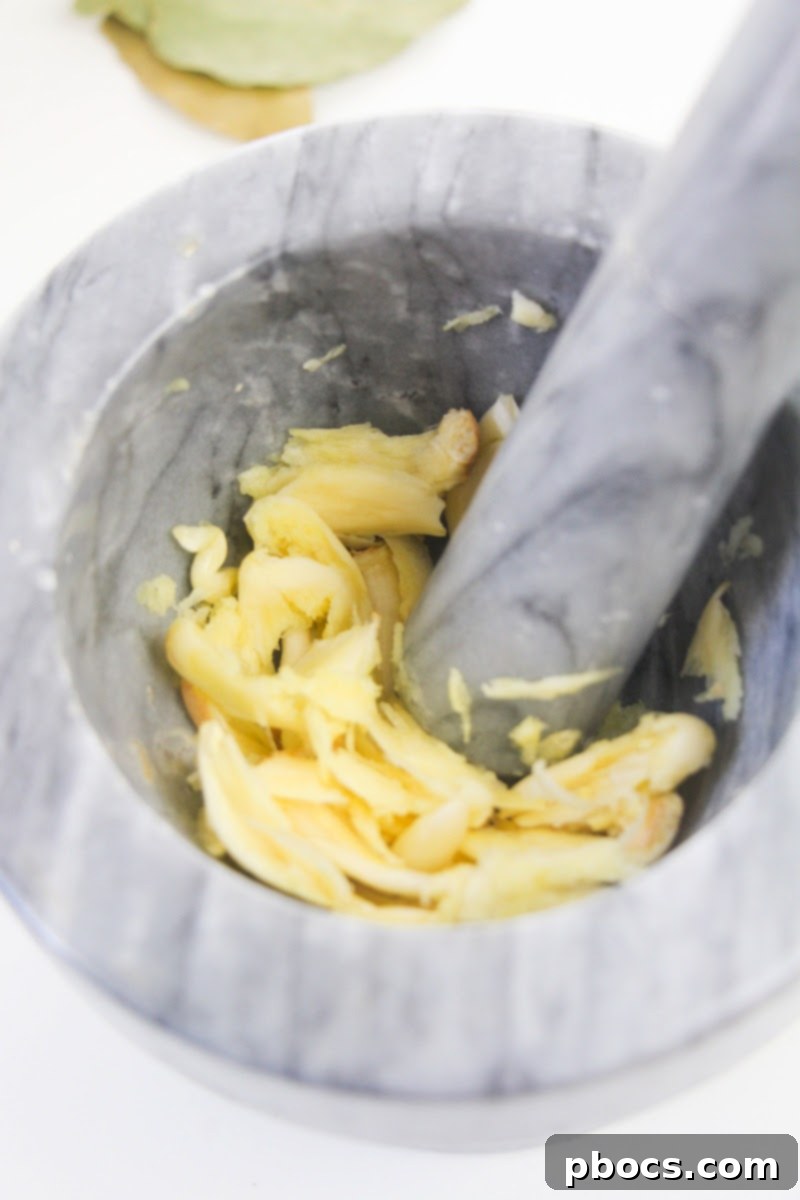
- Take the remaining garlic cloves and mash them thoroughly using a mortar and pestle, or pulse them in a food processor until finely minced or pasted. This will create a potent base for your marinade.
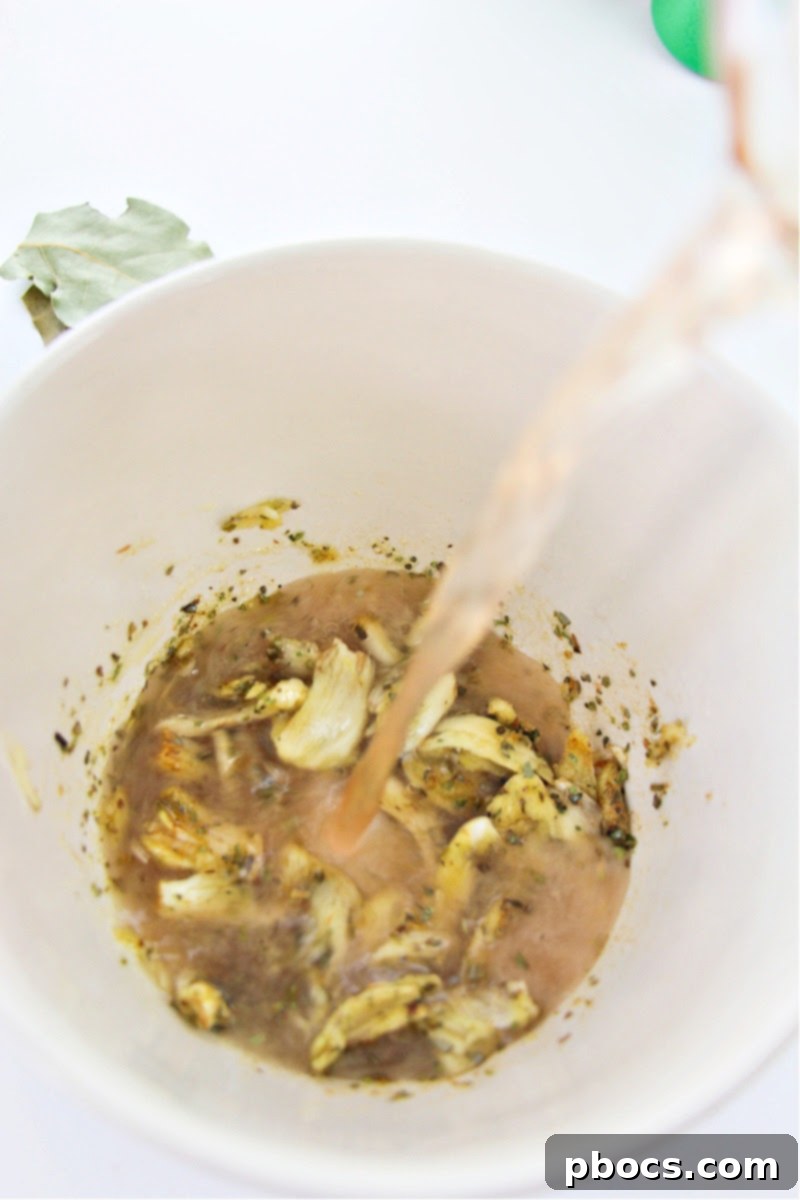
- In a separate bowl, combine the mashed garlic with the sour orange marinade, fresh lime juice, olive oil, salt, oregano, cumin, and bay leaves. Whisk everything together until well combined, creating your aromatic mojo marinade.
- Pour the entire marinade evenly over the pork roast in the baking dish, ensuring the meat is thoroughly coated. Cover the dish tightly with aluminum foil or plastic wrap.
- Refrigerate the marinated pork for at least 30 minutes, but for the most flavorful and tender results, allow it to marinate overnight (8-12 hours).
- When ready to cook, preheat your oven to 325°F (160°C).
- Place the covered baking dish in the preheated oven and cook the roast for 1 1/2 to 2 hours. The pork is safely cooked when it reaches an internal temperature of at least 145°F (63°C). However, for truly fall-apart tender, shreddable pork, continue cooking until the internal temperature reaches 190°F (88°C) or even 200°F (93°C). I recommend cooking mine to 190°F for that perfect tender texture.
- For an extra crispy exterior, remove the foil during the last 5-10 minutes of cooking. You can also briefly broil the roast for a few minutes until the top is golden brown and crackling. Keep a close eye on it to prevent burning.
- Once cooked, remove the roast from the oven and allow it to rest for 5-10 minutes before cutting into it or shredding. This allows the juices to redistribute, ensuring maximum moisture.
- Finally, use two forks or specialized meat shredders to pull the pork roast apart into tender, flavorful strands. Serve immediately with your favorite low-carb sides and garnishes like fresh cilantro and lime wedges.
Pin this incredible recipe for later and enjoy the taste of Cuba, low-carb style!
Follow me on Pinterest for more delicious low-carb recipes!
Low-Carb Cuban Pork (Lechon)
The secret to this low-carb Cuban pork is the marinade. Let it sit overnight and then bake it slowly for 2 hours – juicy and so good!
Dinner, Main Course
Cuban
Low-Carb Cuban Pork, Lechon, Keto Pork
Ingredients
-
2
pounds
Pork Roast -
1
head
Garlic -
1/2
cup
Sour Orange Marinade -
1/4
cup
Lime Juice -
1
tbsp
Olive Oil -
1
tsp
Salt
to taste -
1
tsp
Oregano -
1/2
tsp
Cumin -
2
Bay Leaves
Instructions
Place the pork roast in an 8” x 8” casserole or baking dish.
Cut approximately 8-10 1-2” slots in the pork roast and insert a garlic clove in each one.
Mash up the remaining garlic cloves in a mortar and pestle, or in a food processor.
Combine the garlic with the sour orange marinade, lime juice, olive oil and seasonings.
Pour the marinade over the roast and cover the dish with tinfoil or plastic wrap.
Refrigerate for 30 minutes or overnight.
Preheat oven to 325F.
Cook the roast for 1 1/2 to 2 hours, until it reaches an internal temperature of at least 165F. I cooked mine to 190F so it would be fall-apart tender.
You can also broil the roast for the last few minutes to give it a golden color.
Allow the roast to rest for 5-10 minutes before cutting into it.
Use two forks or meat shredders to shred the pork roast.
Recipe Notes
Calories: 275 Per Serving
Net Carbs: 2 Net Carbs Per Serving
The nutritional information for this recipe is calculated as a courtesy and is an approximate only. I cannot guarantee the accuracy of the nutritional information for any recipes on this site.
More Delicious Keto Pork Recipes to Try
If you’ve enjoyed the authentic flavors of this low-carb Cuban pork roast, you’re in for a treat! Here are some more fantastic keto-friendly pork recipes that are sure to become new favorites in your meal rotation:
- Keto Moo Shu Pork Recipe
- Keto Pork Chops In Mustard Cream Sauce
- Low-Carb Garlic Parmesan Pork Chops
- Instant Pot Low-Carb Pork Tenderloin
- Keto Egg Roll Soup