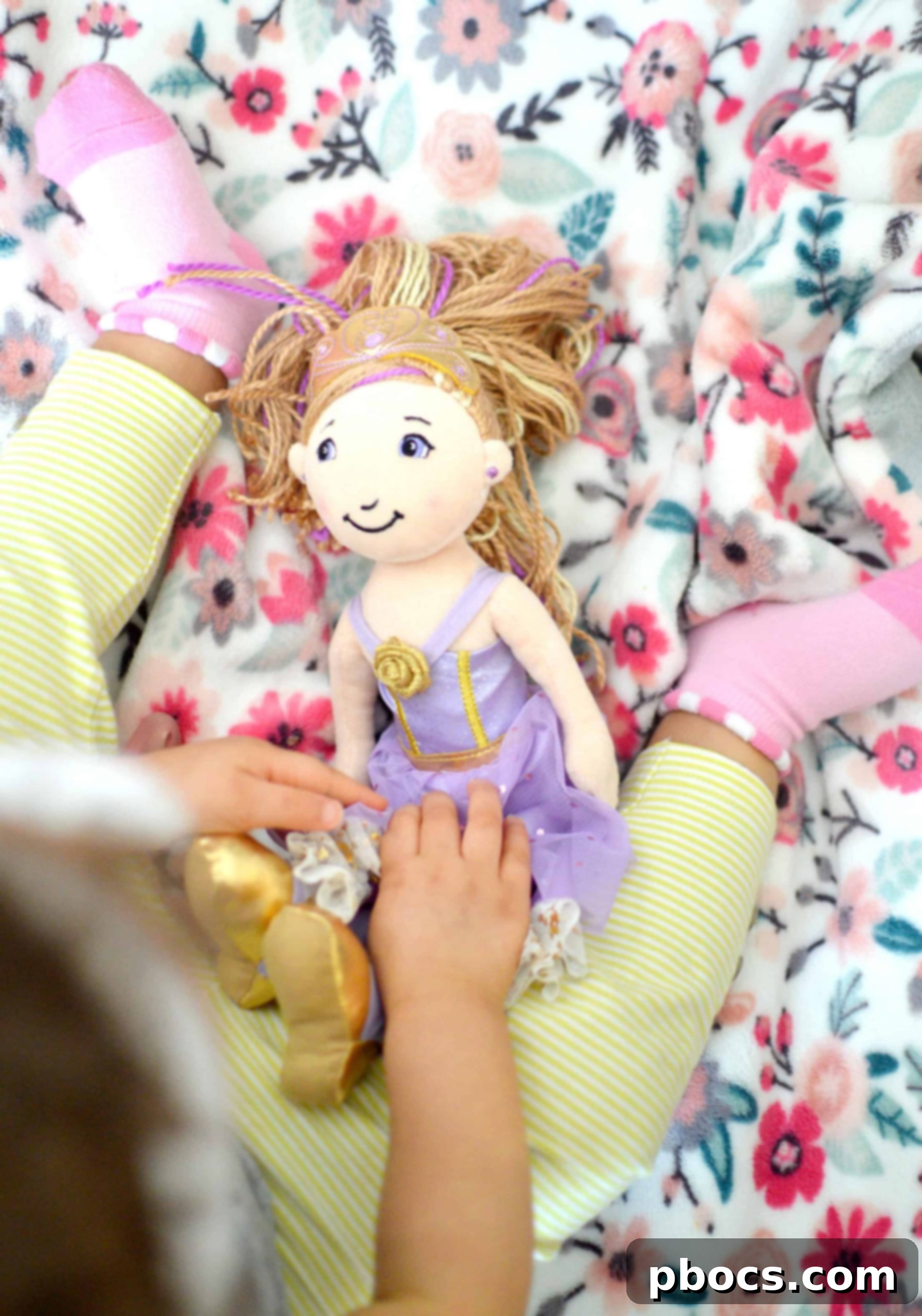
As a devoted parent, I’ve had the distinct pleasure of witnessing the incredible journey of childhood unfold through different lenses. For many years, my household buzzed with the energetic play of boys, their days filled with basketball games, spirited catch, or intense battles over the latest video game. It was a world of competitive energy and active exploration. However, with the arrival of Joseph, Olivia, and Lauren, our family dynamic transformed, revealing a beautifully diverse tapestry of interests. These days, our home is a hub of varied activities, but what truly captivates their young minds, and mine, is their boundless imaginative play. It’s a joy to watch Olivia meticulously arrange her dolls while Joseph, with equal earnestness, brings out the kitchen toys. Together, they conjure up elaborate scenarios, feeding their beloved stuffed animals and dolls, creating entire worlds within our living room. This shift has ignited a passion in me to explore and share the most effective and creative ways for kids to use their imagination, fostering a sense of wonder and curiosity that will last a lifetime.
Nurturing Young Minds: Empowering Creative Play
1. Embrace Unstructured Free Time and Messy Exploration
In our modern, often overscheduled lives, the concept of simply “letting kids be kids” can sometimes feel like a luxury. Yet, providing ample free time for exploration and play is perhaps the most fundamental building block for fostering imagination. I understand the innate desire many parents share – myself included – to maintain a tidy home, with toys neatly organized. However, there’s immense value in occasionally letting go of that desire for perfection. Encourage your children to make a glorious mess, to get down on the floor, and truly immerse themselves in their play. When children are given autonomy over their play, without adult direction or preconceived notions, their creativity truly blossoms. They learn to problem-solve, negotiate, and invent their own narratives, all crucial skills for cognitive and emotional development.
To strike a balance between boundless creativity and manageable chaos, I’ve found a simple system that works wonders: toy rotation. Instead of having every toy accessible all the time, I organize them into specific buckets. Each day, or perhaps every few days, a different bucket of toys is brought out. This approach not only keeps the play fresh and exciting but also prevents overwhelm and encourages deeper engagement with the limited selection. When children have fewer toys, they tend to be more inventive with what they have, combining items in unexpected ways and stretching their imaginative capacities further. This method teaches resourcefulness and appreciation, proving that sometimes, less truly is more when it comes to sparking imaginative play.
2. Provide Inspiring Toys That Spark Imaginative Worlds
The types of toys we introduce to our children play a significant role in stimulating their imaginative capabilities. Look for toys that encourage open-ended play, allowing children to dictate the narrative rather than following a predetermined script. Take, for instance, the Groovy Girls dolls. These award-winning soft dolls were conceived with a beautiful philosophy: celebrating individuality, promoting self-identity, cherishing friendship, and embracing diversity. They are far more than just playthings; they are tools for teaching valuable life lessons through imaginative role-play. Olivia, for example, loves to tuck her Groovy Girls into her stroller, taking them on imaginary adventures, weaving intricate stories around their unique personalities and styles.
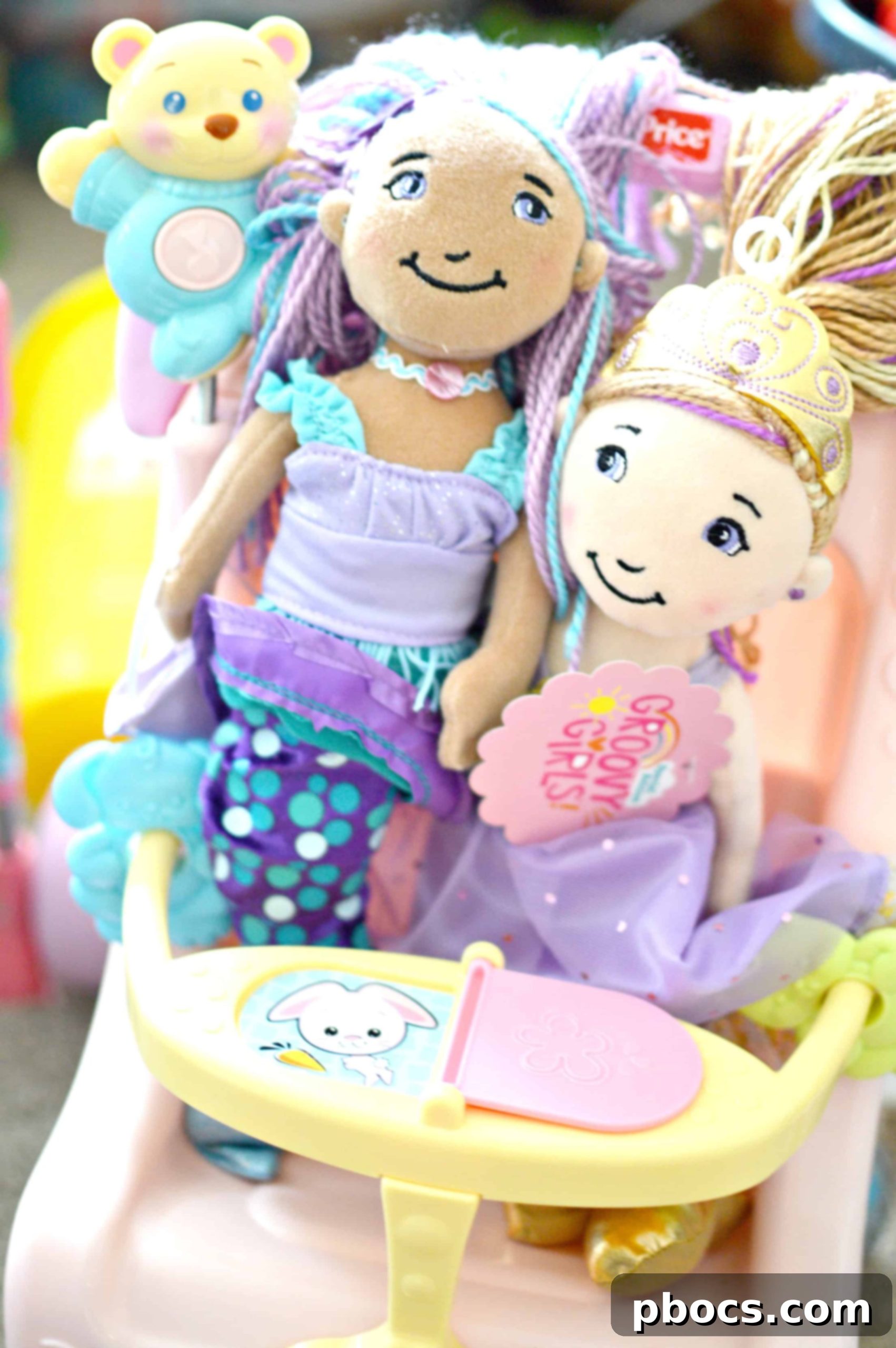
Joseph, on the other hand, often engages with Pickman, a baby boy doll from the beloved Baby Stella collection. Baby Stella, Olivia’s very first doll, and her companions are renowned for their softness, gender inclusivity, and accessories that mimic real-life baby care. Through playing with dolls like Pickman, Joseph practices nurturing, empathy, and caregiving, essential components of emotional intelligence. These dolls aren’t just for girls; they offer an invaluable opportunity for all children to engage in diverse forms of play that help them understand and process the world around them. Such toys become characters in elaborate stories, allowing children to explore different roles, emotions, and social interactions in a safe and creative environment. They are truly instrumental in fostering a child’s understanding of the diverse human experience. You can explore the vibrant Groovy Girls collection here and discover more about the adorable Baby Stella Dolls and their accessories here.


3. Cultivate Imagination Through Daily Reading Sessions
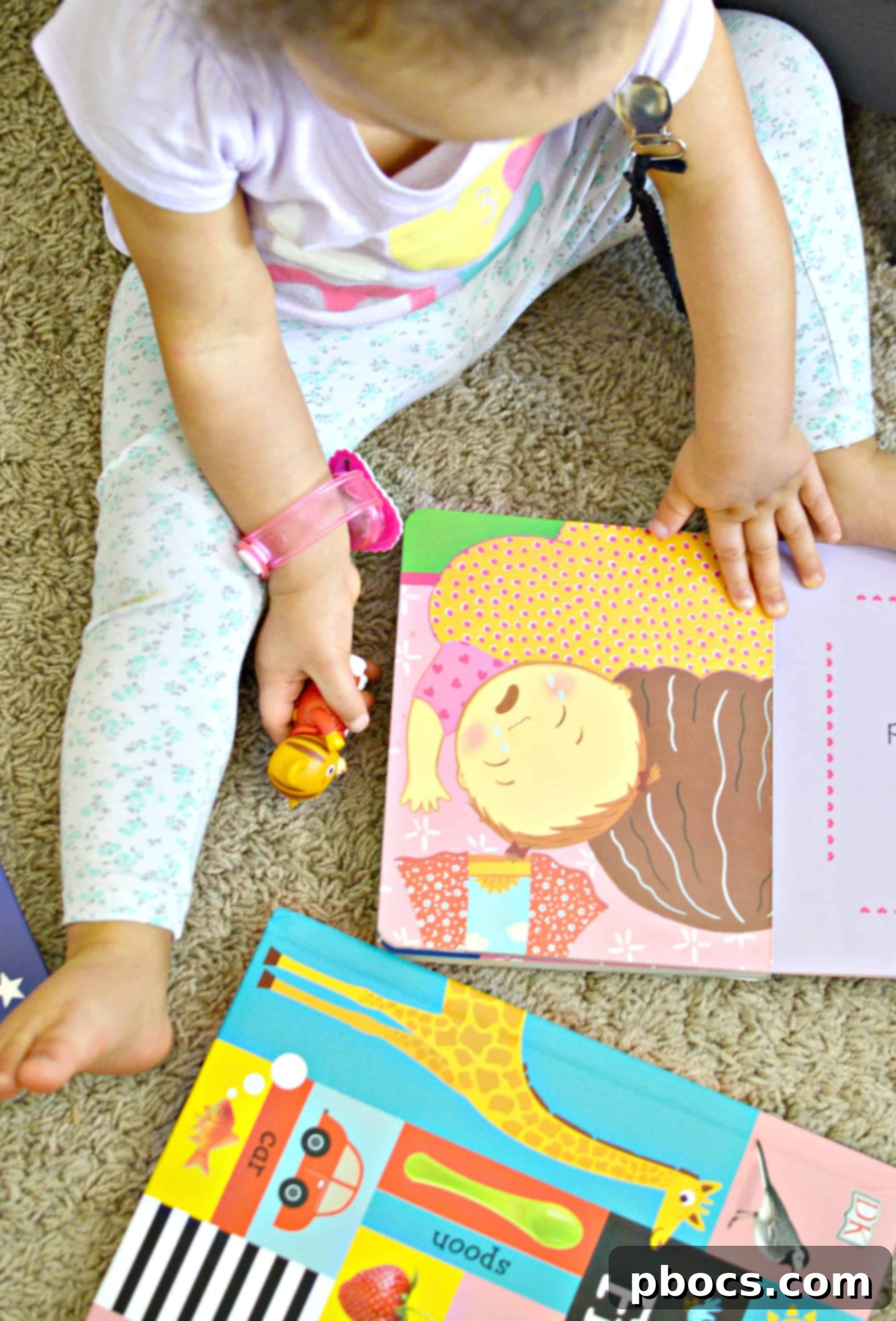
Reading is a powerful catalyst for developing a child’s imagination. Setting aside dedicated time to read several times a day is a tradition that has been a cherished part of our family routine since my children were born. Beyond simply enjoying a good story, reading actively stimulates their imagination, expands their vocabulary, develops their language skills, and significantly improves their listening comprehension. When children listen to a story, they are transported to different worlds, encountering new characters, landscapes, and ideas purely through the power of words. This process strengthens their ability to visualize and create mental images, which is the cornerstone of imaginative thinking.
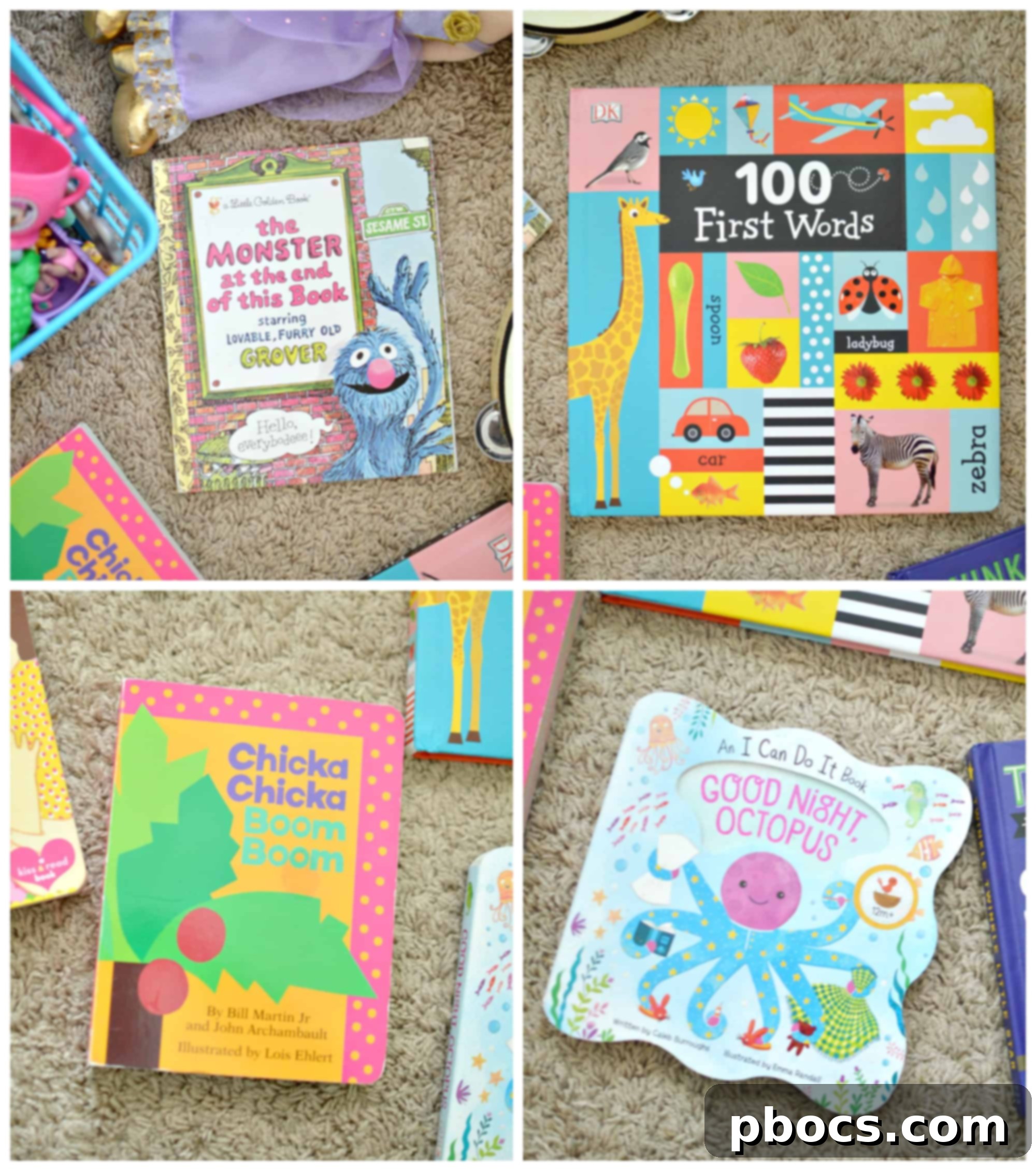
The benefits don’t stop when the last page is turned. After reading, engage your children in thoughtful discussions about the book. Ask them to recreate the story in their own words, perhaps even acting out scenes with toys or themselves. Pose open-ended questions: “What do you think happened next?”, “How did the character feel?”, or “What would you have done in that situation?”. These conversations encourage critical thinking, empathy, and further imaginative exploration of the narrative. Reading time is, without a doubt, my favorite part of the day, a quiet moment of connection and profound learning that fuels their creative spirits. For a delightful journey into early vocabulary, check out the super fun 100 First Words book here, a fantastic resource for toddlers and preschoolers.
Beyond Structured Activities: Simple Keys to Imagination
4. Unplug and Embrace the Power of Boredom
In our hyper-connected world, it’s easy for children to become accustomed to constant stimulation, whether from screens or scheduled activities. One of the most powerful creative ways for kids to use their imagination is surprisingly simple: let them be bored. If your children are anything like mine, they will inevitably get antsy and declare their boredom fairly quickly when screens are off and activities aren’t provided. This isn’t a problem; it’s an opportunity. Boredom is the fertile ground from which creativity springs. When children are not constantly entertained, their minds are compelled to seek out stimulation from within. They are forced to innovate, to look at familiar objects in new ways, and to invent their own games and scenarios.
The magic often happens when they realize there’s no immediate external source of entertainment. They get up, they explore, they start piecing together ideas, and before you know it, a fantastical world has been built from blankets, pillows, and kitchen utensils. This process cultivates intrinsic motivation, problem-solving skills, and a deep sense of self-reliance. It teaches them that creativity isn’t something to be consumed, but something to be generated. For those looking for strategies to navigate this often-challenging aspect of modern parenting, I share my personal approach in this article on how I manage my kids’ screen time.

5. Seek Inspiration Outdoors: The Park and Beyond
There is arguably no better environment for sparking imagination than the great outdoors. A simple trip to the park offers an unparalleled canvas for creative play. Fresh air, vast open spaces, and the inherent wonders of nature provide endless inspiration. Children can transform a patch of grass into a magical kingdom, a tree into a secret hideout, or a puddle into an ocean voyage. The physical freedom to run, jump, and climb in an unconstrained environment directly fuels mental freedom and imaginative thought. Nature itself is a sensory playground – the rustle of leaves, the scent of fresh earth, the varied textures of bark and stone, the endless shapes of clouds – all these elements stimulate a child’s senses and inspire stories and adventures.
Beyond the typical playground, explore local trails, forests, or even your own backyard. Encourage children to build forts, search for “treasure,” or simply observe insects and plants, inventing narratives about their lives. Outdoor play fosters a deep connection with the natural world, enhances problem-solving skills (e.g., figuring out how to balance on a log), and provides unique opportunities for imaginative scenarios that simply cannot be replicated indoors. It reminds us that sometimes, the most sophisticated tools for imagination are simply fresh air, open space, and the boundless beauty of our world.
Concluding Thoughts on Cultivating Childhood Imagination
Fostering a child’s imagination is one of the most precious gifts we can offer them. It’s not merely about entertaining them; it’s about equipping them with essential life skills: creativity, problem-solving, empathy, resilience, and the ability to navigate complex ideas. From embracing unstructured play and providing thoughtful, open-ended toys to prioritizing daily reading and allowing for periods of boredom, each strategy builds upon the last, creating a rich environment where young minds can truly flourish. As parents, our role is to provide the space, the tools, and the encouragement for these incredible journeys of discovery. By intentionally creating opportunities for imaginative play, we are not just helping our children pass the time; we are actively shaping curious, adaptable, and wonderfully creative individuals ready to explore the vast possibilities of their own making.
Disclosure: Certain items mentioned in this article were provided as samples for review purposes. All opinions expressed are, as always, my own and reflect my genuine experience with the products.